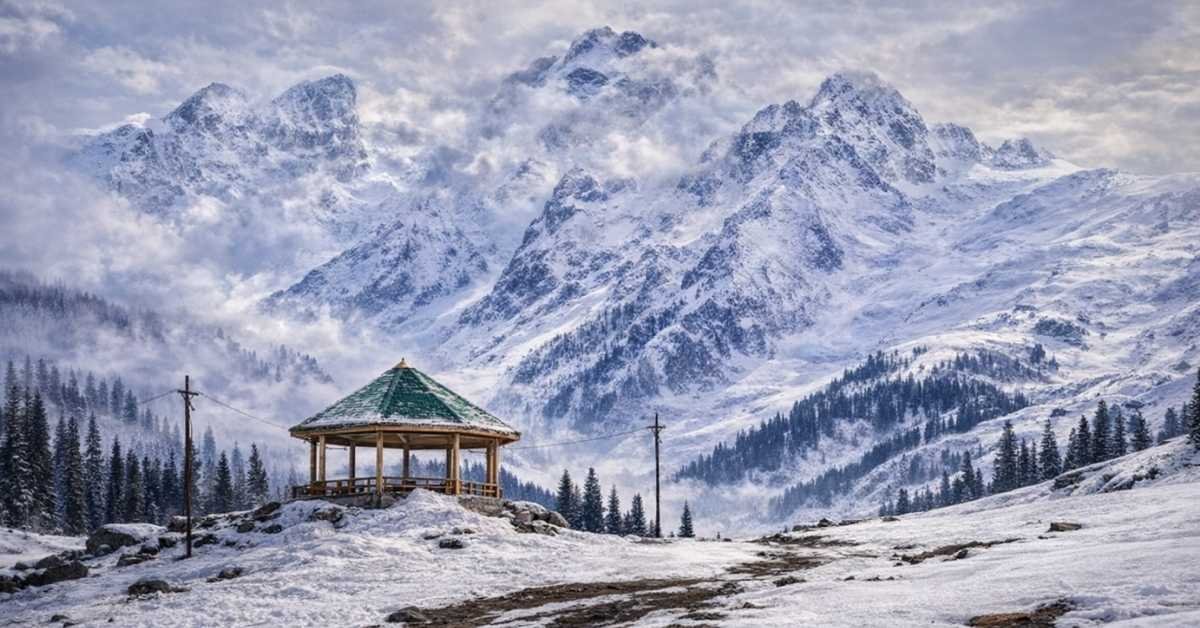
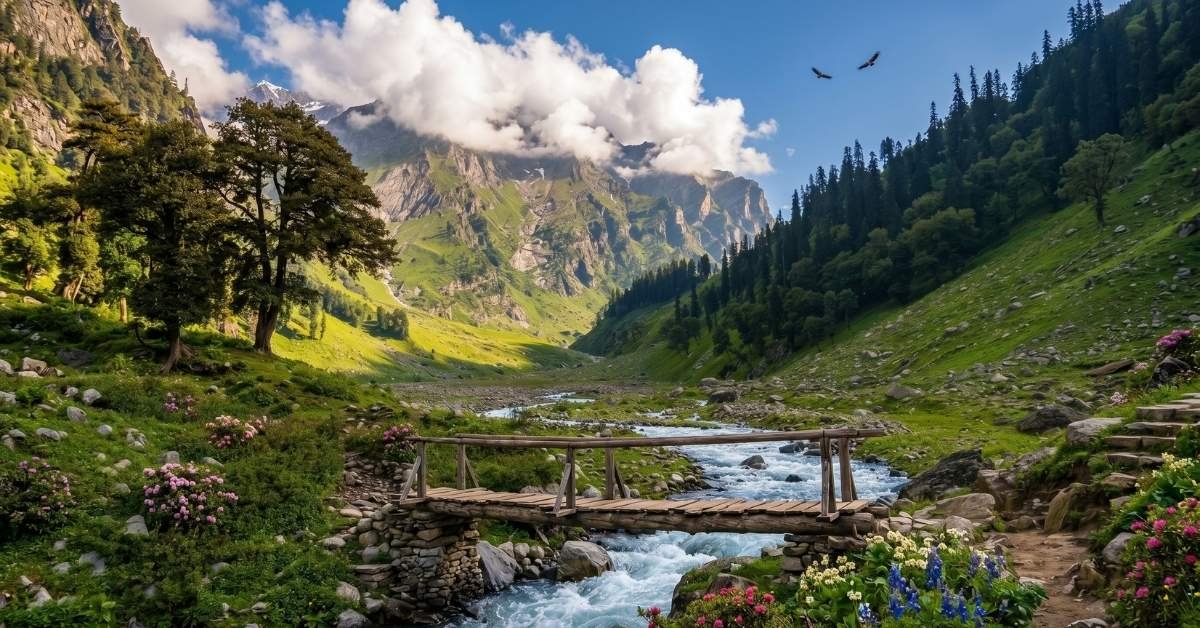
Himachal Pradesh has over a dozen stunning valleys worth visiting. The best valleys in himachal include Spiti, Tirthan, Sangla, Parvati, Barot, and Jibhi. Each one offers something Shimla and Manali simply cannot: silence, space, and real mountain life.
Shimla is crowded. Manali is overpriced. The real Himachal sits beyond these tourist hubs, waiting on rough roads and quiet rivers.
Here is why these valleys deserve your attention:
- No tourist traps. These places still run on local time, local food, and local warmth.
- Untouched nature. Think dense forests, clear rivers, and skies full of stars at night.
- Slow travel done right. You stay longer, spend less, and actually feel rested when you leave.
This list covers 12 valleys that are worth every hour of the drive.
Tirthan Valley: The Gateway to Nature
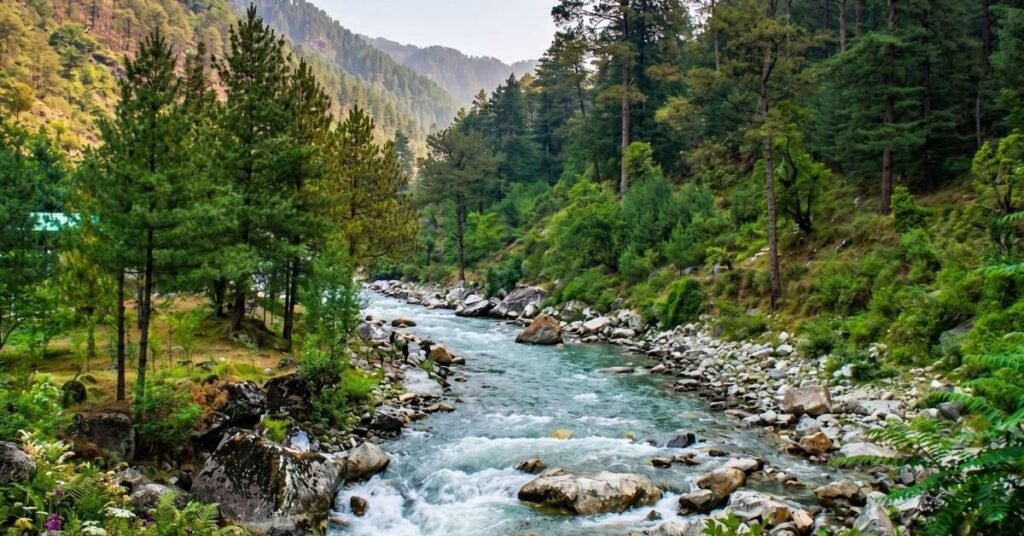
Tirthan Valley sits in the Kullu District of Himachal Pradesh. It is one of the most peaceful valleys in himachal that still feels untouched. The Tirthan River runs through the entire valley, and the sound of it never really leaves you.
The biggest draw here is the Great Himalayan National Park, a UNESCO World Heritage Site. It covers over 1,600 sq km of pure wilderness. Dense forests, rare birds, and mountain trails make it a serious destination for nature lovers.
| Detail | Info |
| Best Time to Visit | March to June, September to November |
| Nearest Airport | Bhuntar Airport, Kullu (about 65 km away) |
| Top Activity | Brown Trout fishing in the Tirthan River |
Brown Trout fishing here is not just an activity. It is an experience. The river is cold, fast, and clean. You need a permit to fish, so sort that out before you arrive.
The villages along the valley are small and quiet. There are no big hotels here. Most stays are in homestays run by local families, which is honestly the better option.
When I visited last October, the trail inside the national park was completely empty. Just forest, birdsong, and the river below. That is the version of Himachal most people never see.
My advice: spend at least three nights here. Two days is not enough.
Spiti Valley: The Cold Desert
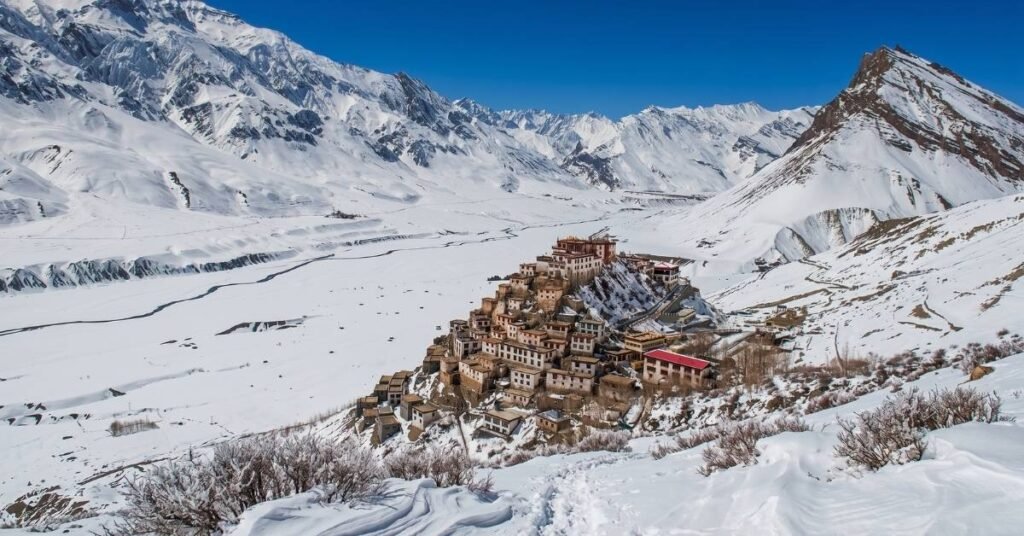
Spiti Valley is not for everyone. That is exactly what makes it special. Known as “The Middle Land,” Spiti sits at an average altitude of 12,500 ft. The landscape is barren, brown, and brutally beautiful. No trees. No crowds. Just open sky and ancient rock.
This is one of those valleys in himachal that demands respect before you visit. The altitude alone can catch you off guard if you are not prepared.
Here are 3 things every traveler must know before going to Spiti:
- Altitude sickness is real. Ascend slowly. Spend a night at Shimla or Manandi before pushing higher. Carry basic altitude sickness medicine.
- Roads close in winter. Spiti is accessible by road mainly from May to October. Heavy snowfall cuts off the valley completely after that.
- Carry cash. ATMs in Spiti are unreliable. Stock up on cash before entering the valley.
The Key Monastery is the most iconic landmark here. It sits on a hilltop at over 13,600 ft and is over 1,000 years old. The views from the top are unlike anything else in India.
Chandratal Lake is another must-visit. The high-altitude lake sits at around 14,100 ft and the blue water against the brown mountains is something you do not forget.
Give Spiti at least five days. Rushing it is a mistake.
Not Sure Where To Go!
Let our Random Country Generator help you discover your next perfect destination.
Use Our Free ToolParvati Valley: Hot Springs and Pine Forests
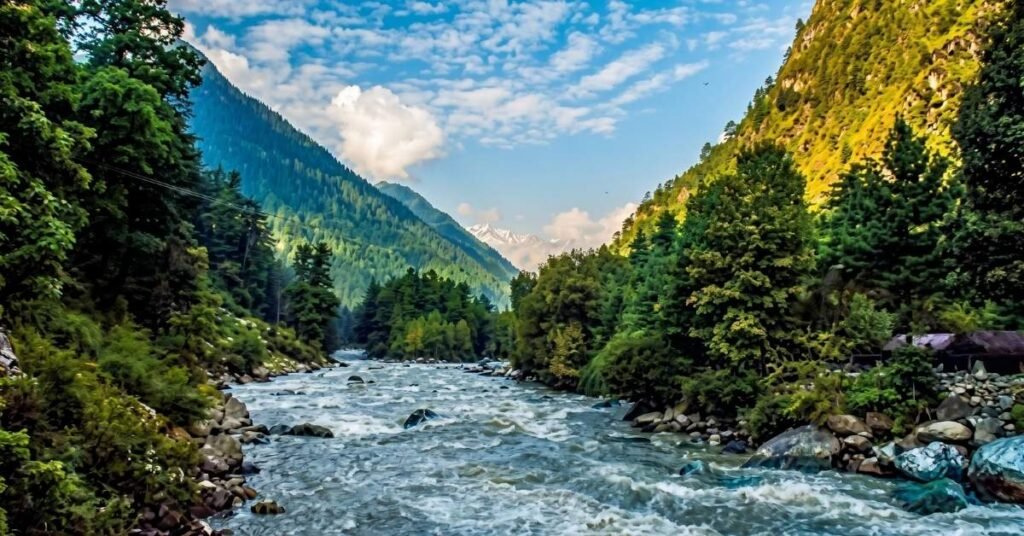
Parvati Valley runs along the Parvati River in Kullu District. Most people only know Kasol. That is their loss. The real soul of this valley lives further up, in small hamlets that most tourists never reach.
Skip the crowds of Kasol. Head straight to Kalga and Pulga instead.
These two villages sit higher up in the valley. Pine forests surround them on all sides. There are no loud cafes here. No DJ nights. Just simple guesthouses, mountain views, and clean air.
Top things to do in Parvati Valley:
- Kheerganga Trek: A 12 to 14 km trek through dense forest. The reward at the top is a natural hot spring. The trail starts from Barshaini.
- Manikaran Hot Springs: A sacred site for both Hindus and Sikhs. The hot spring water here is naturally boiling. Many believe it has healing properties.
- Stay in Kalga or Pulga: These hidden hamlets give you the quiet version of Parvati Valley that travel reels never show.
| Detail | Info |
| Best Time to Visit | April to June, September to November |
| Kheerganga Trek Distance | 12 to 14 km one way |
| Must Visit Spiritual Site | Manikaran Hot Springs |
When I first heard about Kalga from a local bus driver, I almost missed it. It turned out to be the best two days of that entire trip.
Do not just follow the crowd up to Kasol. Go further. The valley rewards the extra effort every single time.
Sangla Valley (Baspa Valley): India’s Last Village
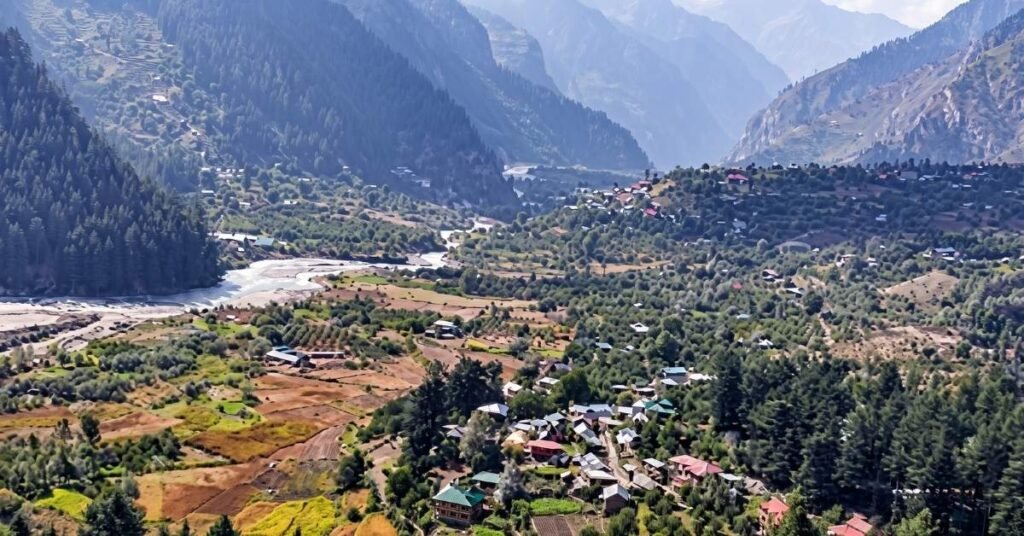
Sangla Valley sits in the Kinnaur district of Himachal Pradesh. The Baspa River flows through it, cold and fast, fed by glaciers high above. The valley is green, wide, and surprisingly lush for this part of Himachal.
But the real reason people come here is Chitkul.
Chitkul is the highest and last village on the old Indo-Tibetan road. Beyond it, the border with Tibet begins. There are no more Indian villages after this point. That fact alone makes standing there feel significant.
Distances to Sangla Valley:
| Starting Point | Approximate Distance |
| Delhi | 580 km |
| Shimla | 235 km |
| Chandigarh | 460 km |
The drive to Sangla is half the experience. Narrow roads, river gorges, and apple orchards line the route through Kinnaur. Take it slow.
What struck me most about Chitkul was the architecture. The wooden houses here are built in the traditional Kinnauri style. Dark wood, sloping roofs, and carved window frames that look centuries old. Some of them probably are.
Quick facts about Sangla Valley:
- Best time to visit: May to October
- The Baspa River is ideal for riverside camping
- Chitkul sits at approximately 11,320 ft altitude
- Apple and chilgoza pine farming is the main livelihood here
Do not rush through Sangla. One night is not enough to understand this valley.
Barot Valley: A Hidden Riverside Retreat
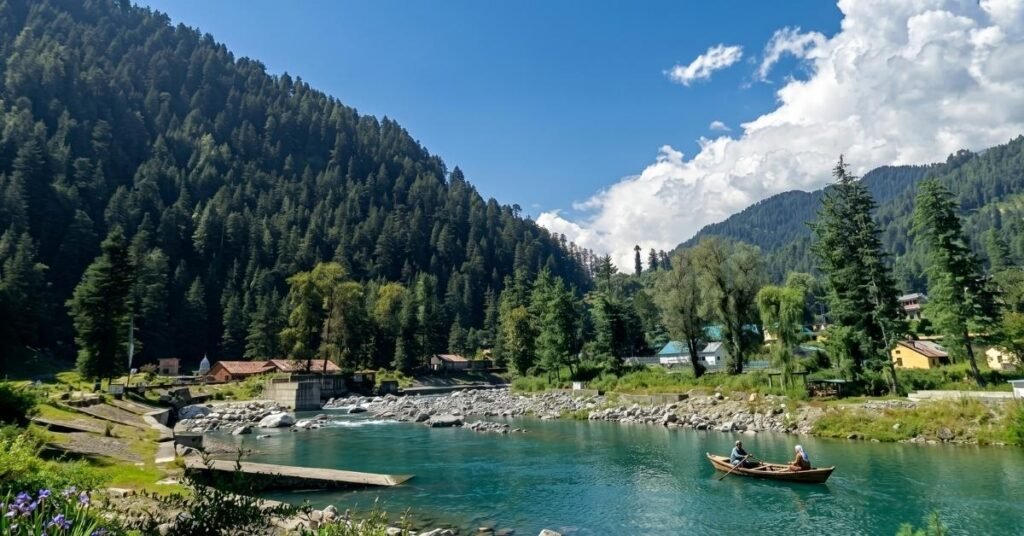
Barot Valley is one of the least talked about valleys in himachal. It sits in the Mandi district, tucked away from every major tourist route. Most people drive past Mandi without knowing Barot even exists. That is exactly why it is worth going.
The Uhl River runs through the entire valley. The water is clean, loud, and glacier-fed. Sitting next to it for an hour does more for your mind than a week in any city.
Barot has an interesting history. The British built it as a planned township for a hydroelectric project. The infrastructure they left behind still functions today. Walking through Barot feels different from other Himachal villages because of this planned layout.
3 reasons Barot is perfect for zero-crowd camping:
- Practically no tourists. Barot does not appear on most travel blogs or package tours. You will have the riverbank almost entirely to yourself.
- Flat camping ground near the river. The area along the Uhl River has clean, flat stretches ideal for pitching a tent without any technical difficulty.
- No commercial noise. No loud markets. No resort parties. Just river sounds, forest birds, and complete quiet after sunset.
| Detail | Info |
| District | Mandi, Himachal Pradesh |
| Main River | Uhl River |
| Best For | Camping, fishing, quiet walks |
| Best Time | April to June, September to October |
My advice is simple: bring your own supplies. Barot has very basic provisions available locally. The more self-sufficient you are, the better your experience will be.
Pangi Valley: The Ultimate Offbeat Adventure
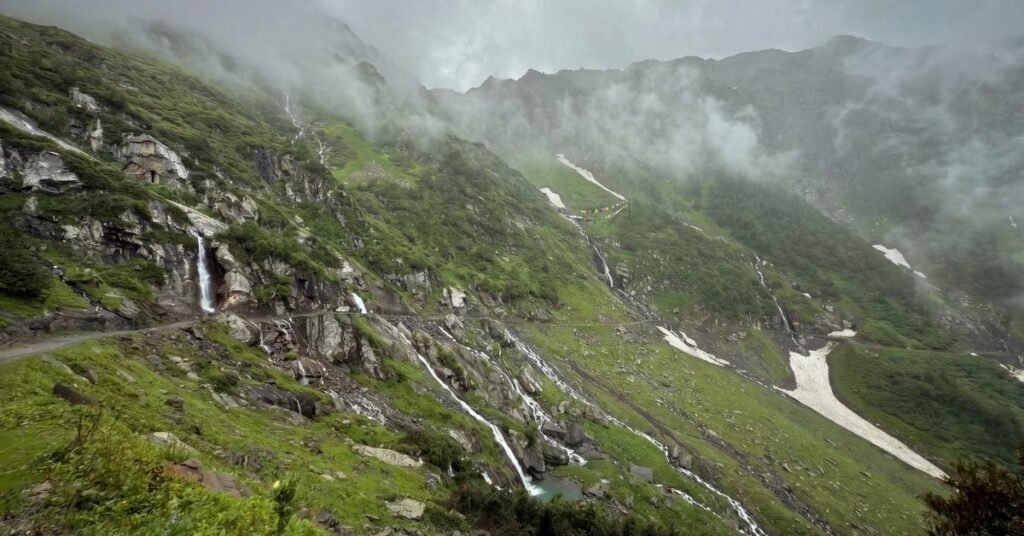
Pangi Valley sits deep inside Chamba district. It is possibly the most remote valley on this entire list. Most people in India have never heard of it. The ones who have either dream of going or have already made the journey and never stopped talking about it.
The only way in is through Sach Pass.
Sach Pass is not a scenic detour. It is a serious high-altitude mountain pass that demands complete respect. The road is narrow, unpaved in large sections, and drops sharply on both sides.
What makes Pangi Valley and Sach Pass so extreme:
- The pass sits at approximately 14,500 ft altitude
- Snow stays on the road well into June most years
- Landslides block the route without any warning
- There are zero petrol pumps or repair shops near the pass
- Mobile network disappears completely once you enter Pangi
This valley is strictly for experienced travelers only:
- Only attempt Sach Pass if you have prior high-altitude driving or riding experience
- A well-maintained vehicle with good ground clearance is non-negotiable
- Always travel in a group of at least two vehicles
- Carry extra fuel, food, water, and a basic medical kit
| Detail | Info |
| District | Chamba, Himachal Pradesh |
| Entry Route | Sach Pass (approx. 14,500 ft) |
| Best Time | July to September only |
| Skill Level Required | Experienced drivers and riders only |
Pangi rewards those who are truly prepared. Everyone else should admire it from a distance and plan better for next time.
Jibhi & Banjar Valley: Wooden Cabins and Waterfalls
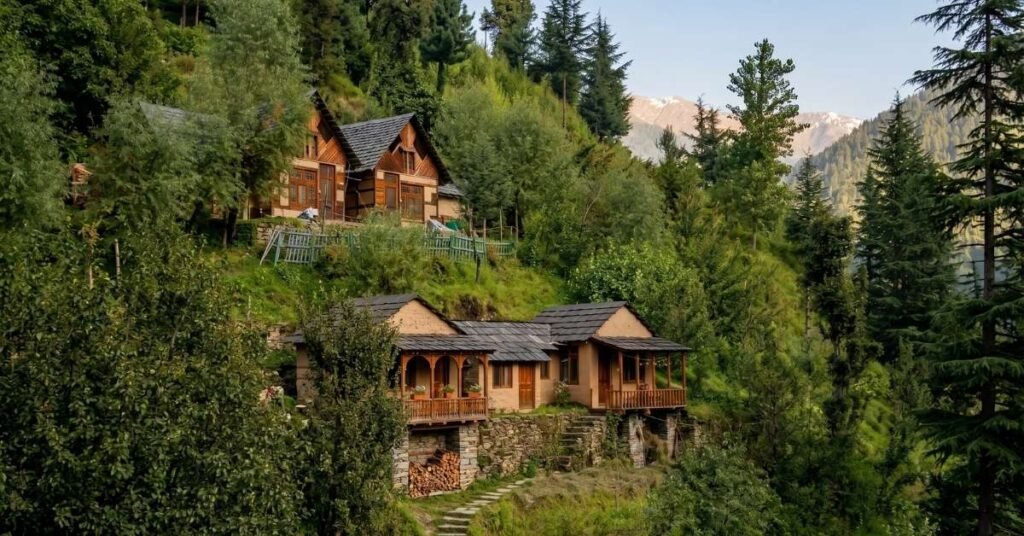
Jibhi sits in the Banjar Valley, close to the famous Jalori Pass in Kullu district. It has quietly become one of the most loved offbeat stops in Himachal over the last few years. And honestly, it deserves every bit of that attention.
The first thing you notice in Jibhi is the architecture. The houses here are built in the traditional Kathkuni style. This is an ancient construction technique unique to Himachal Pradesh. Layers of stone and wood are stacked alternately without using cement. The result is sturdy, beautiful, and completely local.
Top things to do in Jibhi and Banjar Valley:
- Serolsar Lake Hike: A moderate trek starting from Jalori Pass. The lake sits inside a dense forest and has a small temple on its banks. The round trip takes about 3 to 4 hours.
- Chehni Kothi: A centuries-old tower village near Jibhi. The main tower stands at roughly 40 metres tall. It is one of the finest examples of Kathkuni architecture in Himachal.
- Jalori Pass: Sits at approximately 10,800 ft. The meadows around it are ideal for short walks and photography.
| Detail | Info |
| Location | Banjar Valley, Kullu District |
| Jalori Pass Altitude | Approximately 10,800 ft |
| Best Time to Visit | March to June, September to November |
For verified travel information and eco-tourism guidelines for this region, check the Himachal Pradesh Tourism official site.
When I first stayed in a Kathkuni homestay near Jibhi, I genuinely did not want to leave. The wood stays warm at night. The silence is total. It is the kind of place that makes you rethink your city life completely.
Kangra & Kullu Valleys: The Cultural Heart
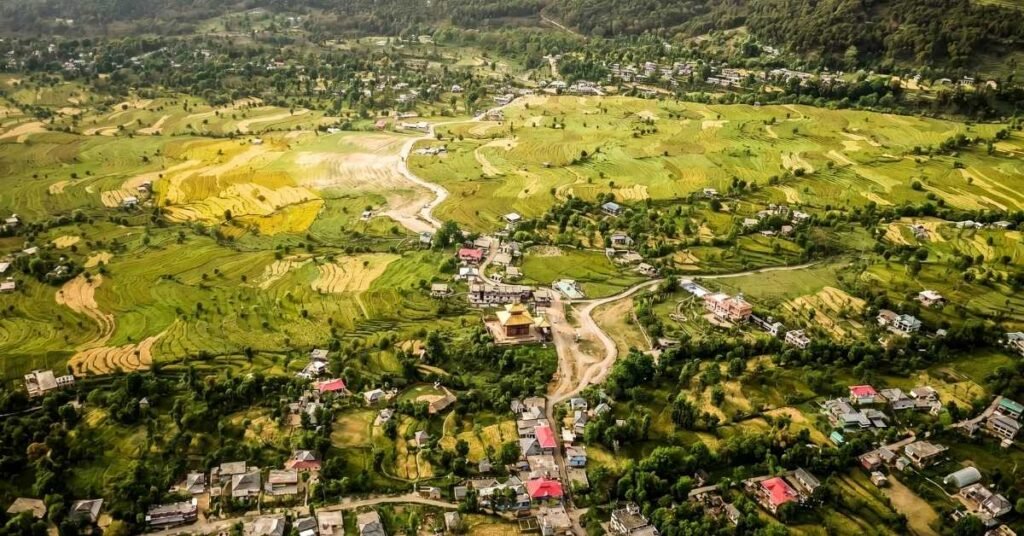
Kangra and Kullu are the two most well-known valleys in himachal. They are more developed and more visited than everything else on this list. But writing them off completely would be a mistake.
The Beas River flows through both valleys. The Dhauladhar mountain range forms a dramatic backdrop behind Kangra. On a clear morning, the snow-covered peaks visible from Kangra town are genuinely hard to believe.
The crowds here are real. But the crowds stick to the main towns.
How to find quiet in Kangra and Kullu:
- Skip Dharamshala town. Stay in smaller villages like Bir or Baijnath instead. Same mountains, zero tourist chaos.
- Avoid Kullu town itself. The villages further up the valley on both sides of the Beas River are calm, affordable, and far more authentic.
- Visit temple towns on weekdays. The ancient temples of Kangra district are beautiful but get busy on weekends and festival days.
| Detail | Info |
| Main River | Beas River |
| Mountain Range | Dhauladhar Range |
| Best Alternative Base | Bir (Kangra), Village stays (Kullu) |
| Best Time | March to June, September to November |
Both valleys have layers. The tourist layer is loud and forgettable. The village layer underneath it is quiet and completely worth finding.
Conclusion: Which Valley Should You Choose?
Himachal Pradesh is not one destination. It is a dozen different worlds sitting side by side. Every valley on this list offers something the others do not.
Quick recommendations:
- For cold desert landscapes: Go to Spiti Valley
- For forest and fishing: Go to Tirthan Valley
- For spiritual stops and treks: Go to Parvati Valley
- For zero crowds and camping: Go to Barot Valley
- For extreme adventure: Go to Pangi Valley
- For wooden cabins and culture: Go to Jibhi and Banjar Valley
Start with one. Come back for the rest.
The best trip is the one you actually take. Pick a valley, book a simple homestay, and go before the crowds find it.
Which valley is your favourite? Drop a comment below and tell us where you are headed next.
Frequently Asked Questions
1. Which are the most offbeat valleys in Himachal Pradesh?
Barot Valley in Mandi district, Pangi Valley in Chamba, and Jibhi in Banjar Valley are among the most offbeat valleys in Himachal. These places see very little tourist traffic and offer genuine mountain experiences away from crowded routes.
2. What is the best time to visit Spiti Valley?
The best time to visit Spiti Valley is between May and October. The roads into Spiti close due to heavy snowfall from November onwards. July and August bring the clearest skies but also some road disruption from monsoon in lower areas.
3. Is Tirthan Valley good for families?
Yes. Tirthan Valley is one of the safest and most accessible offbeat valleys in Himachal for families. The Great Himalayan National Park has easy walking trails. Brown Trout fishing in the Tirthan River is an activity children enjoy as well.
4. How do I reach Chitkul in Sangla Valley?
Chitkul in Sangla Valley is best reached by road from Shimla. The distance is approximately 235 km. The route passes through the scenic Kinnaur district along the Baspa River. The road is narrow in sections so hiring a local driver is recommended.
5. What is the Kheerganga Trek distance in Parvati Valley?
The Kheerganga Trek in Parvati Valley is approximately 12 to 14 km one way. The trek starts from Barshaini. The trail passes through dense pine forests and ends at a natural hot spring at the top. It takes around 4 to 5 hours to complete.
6. Is Pangi Valley safe to visit?
Pangi Valley is safe for well-prepared and experienced travelers only. The entry route through Sach Pass sits at approximately 14,500 ft. The road is unpaved and prone to landslides. Solo travel is not recommended. Always go in a group with a well-maintained vehicle, extra fuel, and a basic medical kit.