Last updated on August 4th, 2026 at 10:04 am
Jibhi is approximately 490 to 510 km from Delhi by road. By car, you are looking at 11 to 13 hours of travel. By bus, expect 13 to 15 hours.
This Himachal Pradesh valley has become one of the most searched offbeat destinations from Delhi in 2026. And for good reason.
Quick Facts
| Detail | Info |
| Distance (Delhi to Jibhi) | 490 to 510 km (approx) |
| Travel Time by Car | 11 to 13 hours |
| Travel Time by Bus | 13 to 15 hours |
| Best Travel Mode | Car (most flexible) |
| Key Navigation Landmark | Aut Tunnel (take right before entering) |
The route is straightforward once you know the key checkpoints. The single most important thing to remember: do not enter the Aut Tunnel. Take the right turn toward Banjar instead.
Delhi to Jibhi by Road: Route & Highway Conditions
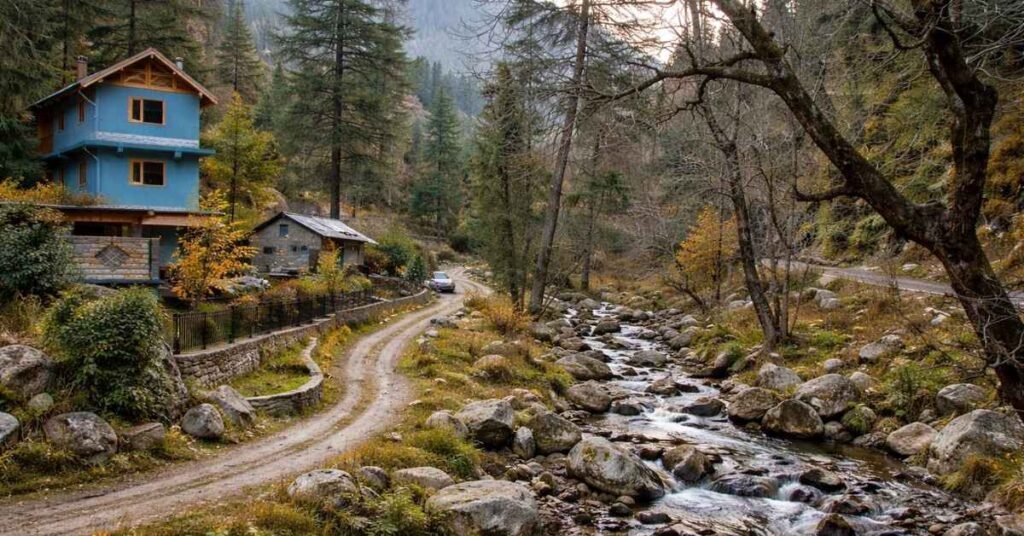
This is the most popular and recommended way to reach Jibhi. The road trip itself is a big part of the experience, especially once you cross Mandi.
Exact Route Breakdown
Follow this sequence without deviation:
- Delhi (Start. Exit via NH44 towards Panipat)
- Panipat (Approx 90 km from Delhi. Keep moving.)
- Ambala (Approx 200 km. Good fuel and food stop.)
- Chandigarh (Approx 250 km. Last major city. Stock up here.)
- Kiratpur Sahib (Enter the hills. NH205 begins here.)
- Bilaspur (Approx 340 km. Short break recommended.)
- Mandi (Approx 390 km. Major town. Fuel up again.)
- Aut (Approx 440 km. THIS is the critical turn. See warning below.)
- Banjar (20 km from Aut. You are almost there.)
- Jibhi (Approx 15 km from Banjar. Final destination.)
Critical Warning: The Aut Tunnel Mistake
Almost every first-time traveler makes this error.
When you reach Aut, Google Maps may direct you straight into the Aut Tunnel. Do not follow it.
Instead, take the right turn just before the tunnel entrance toward Banjar. This road takes you through the Tirthan Valley and directly into Jibhi. Missing this turn will add significant distance and frustration to your trip.
2026 Road Conditions
- The Kiratpur Sahib to Nerchowk four-lane highway project has significantly improved travel time on this stretch.
- Post-Mandi, roads become narrower and more winding. Reduce speed.
- The Aut to Banjar to Jibhi stretch is a single-lane mountain road. Drive carefully, especially at night.
- Avoid night driving after Mandi if this is your first time on this route.
Best Departure Time
Leave Delhi by 10 PM to 11 PM for an overnight drive. You will hit the hills fresh in the early morning with minimal traffic.
Not Sure Where To Go!
Let our Random Country Generator help you discover your next perfect destination.
Use Our Free ToolDelhi to Jibhi by Bus: Volvo & Local HRTC Options
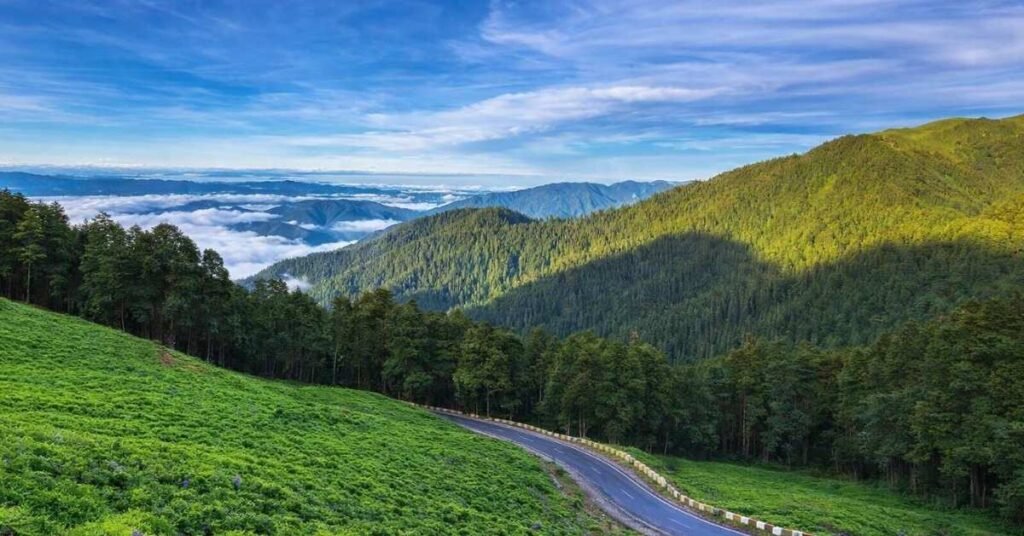
No direct bus runs from Delhi to Jibhi. But reaching Jibhi by bus is still very doable if you plan the last leg in advance.
Step 1: Board a Delhi to Manali Volvo
Both private operators and HRTC (Himachal Road Transport Corporation) run overnight Volvo buses from Delhi to Manali daily. Board from either of these two points:
- Majnu Ka Tila (MKT), North Delhi
- Kashmere Gate ISBT, Central Delhi
Buses depart mostly between 5 PM and 9 PM. Journey time to Aut is roughly 10 to 12 hours.
Book your HRTC bus directly through the official site: hrtchp.com
Step 2: Get Off at Aut
Tell the bus driver or conductor in advance that you need to get off at Aut. This is your drop point, not Manali. Aut is a small highway junction, so be alert and do not miss it.
Step 3: Aut to Jibhi (Last Leg)
From Aut, Jibhi is about 35 to 40 km away. You have two options:
- Local HRTC bus toward Banjar. From Banjar, take another local bus or shared taxi to Jibhi.
- Direct taxi from Aut to Jibhi. Faster and more comfortable. Expect to negotiate the fare on the spot.
Bus Route Summary
| Leg | Mode | Approx Time |
| Delhi to Aut | Volvo Bus | 10 to 12 hours |
| Aut to Banjar | Local Bus / Taxi | 1 to 1.5 hours |
| Banjar to Jibhi | Local Bus / Taxi | 20 to 30 minutes |
Nearest Railway Station and Airport to Jibhi
Jibhi has no railway station and no airport. Here is how to reach it from the nearest connectivity points.
By Train: Chandigarh Railway Station
Chandigarh Junction is the most practical railhead for Jibhi, sitting approximately 250 km away.
- Multiple trains run daily from Delhi to Chandigarh. Journey time is roughly 3 to 4 hours.
- From Chandigarh, hire a private cab to Jibhi directly. Expect 7 to 8 hours of drive time.
- Alternatively, take a bus from Chandigarh ISBT toward Mandi or Manali and get off at Aut, then follow the Aut to Jibhi local transit route.
By Air: Bhuntar Airport (Kullu-Manali)
Bhuntar Airport (Kullu) is the closest airport to Jibhi at approximately 50 km away.
- Flights operate from Delhi to Bhuntar. Flight time is under 1 hour.
- From Bhuntar, hire a taxi directly to Jibhi. Drive time is roughly 1.5 to 2 hours on mountain roads.
- Flight availability can be limited and weather-dependent. Always have a backup plan.
Quick Comparison
| Mode | Nearest Point | Distance to Jibhi |
| Train | Chandigarh Junction | Approx 250 km |
| Flight | Bhuntar Airport, Kullu | Approx 50 km |
The Alternative Scenic Route (Via Shimla & Jalori Pass)
This is not the route you take when you want to reach Jibhi quickly. This is the route you take when getting there is part of the trip. The Shimla approach through Jalori Pass adds 2 to 3 hours over the standard NH44/Mandi corridor, and every one of those extra hours is spent at altitude, in pine forest, on roads that see a fraction of the truck traffic that clogs the Mandi bypass.
| Checkpoint | Cumulative Distance | Road Condition / Status |
| Delhi to Shimla | 340 km | 4-lane highway up to Solan, then standard mountain road |
| Shimla to Narkanda | 400 km | Smooth, scenic pine forest drive |
| Narkanda to Luhri | 445 km | Downhill descent, winding roads |
| Luhri to Jalori Pass | 495 km | Steep, challenging incline (10,500 ft elevation) |
| Jalori Pass to Jibhi | 510 km | Sharp downhill descent to the valley |
Adventure seekers who want higher altitude exposure before dropping into the Banjar Valley will find this route genuinely rewarding. The Narkanda stretch is the standout segment: pine trees press close to the road at elevations between 8,000 and 9,000 feet, apple orchards flank the highway, and traffic is light. It is a different Himachal from the congested river-road world of NH3.
Two things must be stated without softening. First, Jalori Pass is closed from December to mid-March due to heavy snowfall. This is not a difficult-road situation; it is a road-does-not-exist-for-your-vehicle situation. Only attempt this route in summer or early autumn. Second, ensure your car’s brakes are in verified working condition before the Luhri-to-Jalori climb. The descent from Jalori Pass into Jibhi is steep, sustained, and has no forgiveness margin if your brakes are soft or overheated. Get them checked by a mechanic before you leave if there is any doubt.
First-Hand Highway Realities
Booking platforms and distance calculators will not tell you where to eat without regret, at which bridge your phone becomes useless, or why showing up in Jibhi without cash is a specific kind of misery. These are the ground-level realities of driving this route in 2026.
| Essential Factor | On-Ground Reality (2026) | Actionable Advice |
| Food & Rest Stops | Ambala (Haveli/Murthal), Mandi | Take the final solid meal break at Mandi |
| Vehicle Clearance | Hatchbacks are safe till Jibhi | High ground clearance (SUV) needed beyond Shoja |
| Mobile Connectivity | Drops completely after Larji Bridge | Download offline maps before reaching Aut |
| Cash Availability | No reliable ATMs inside Jibhi | Withdraw ₹5,000+ cash at Mandi or Aut |
On the food question: Ambala’s dhaba stretch, particularly Haveli or the Murthal area if you are coming from that side, is your first genuine rest stop. After Mandi, do not count on finding anything worth eating at a predictable time. Mandi is your last confirmed meal window before the valley swallows your schedule.
The connectivity drop after Larji Bridge is not a signal-gets-weak situation. It is signal-gone. BSNL holds slightly longer than Airtel or Jio in this corridor but nothing is reliable inside the valley. Download Google Maps or Maps.me covering the Aut-to-Jalori region before you cross Larji, then test it in airplane mode to confirm it actually loaded. A frozen map at a dark mountain fork is not the experience you are planning for.
On cash: Jibhi has no reliable ATMs. The Aut junction has one ATM that works intermittently. Mandi has full banking infrastructure. Withdraw ₹5,000 or more at Mandi. Homestays, local guides, trek permits, roadside food, and practically every transaction inside the valley runs on cash only. This is not 2019-level infrastructure despite everything else that has modernized.
Best Time to Visit and Crucial Driving Tips
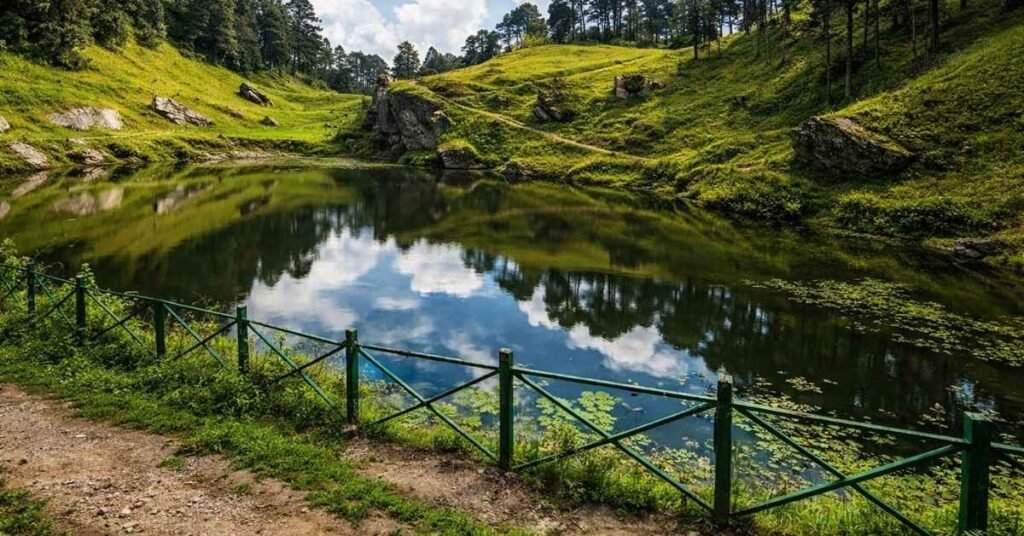
Jibhi is a year-round destination, but each season offers a very different experience.
Best Months to Visit
| Season | Months | What to Expect |
| Spring / Summer | March to June | Pleasant weather, green valleys, ideal for trekking |
| Monsoon | July to September | Lush scenery but landslide risk on hill roads |
| Autumn | October to November | Clear skies, less crowd, best photography conditions |
| Winter | December to February | Heavy snowfall, some roads may close, magical views |
Overall best months: March to June and October to November.
Practical Travel Tips
Night Driving Safety
- Avoid driving the Aut to Jibhi stretch after dark, especially if unfamiliar with mountain roads.
- Roads are narrow, unlit, and have sharp turns past Banjar.
- If arriving late, consider halting at Mandi or Banjar overnight.
ATM and Network Availability
- Jibhi has very limited ATM access. Carry sufficient cash from Mandi or Kullu.
- Mobile network is patchy inside Jibhi valley. Airtel and BSNL work better than others.
- Do not rely on UPI payments at local stays and dhabas.
Motion Sickness on the Banjar Route
- The road from Aut to Banjar to Jibhi has continuous sharp curves.
- Take motion sickness tablets like Avomine at least 30 minutes before this stretch.
- Sit in the front seat if traveling by taxi or local bus.
- Avoid heavy meals right before this leg of the journey.
Local Sightseeing Distances (Exploring Around Jibhi)
Jibhi is not a destination you exhaust in an afternoon. The village is the base camp; the real exploration happens in every direction around it. What makes this place work for longer stays is that the attractions are genuinely spread across different distances and terrain types, each requiring a different level of effort and a different mode of travel.
| Attraction Name | Distance from Jibhi | Travel Mode & Time | Terrain / Accessibility |
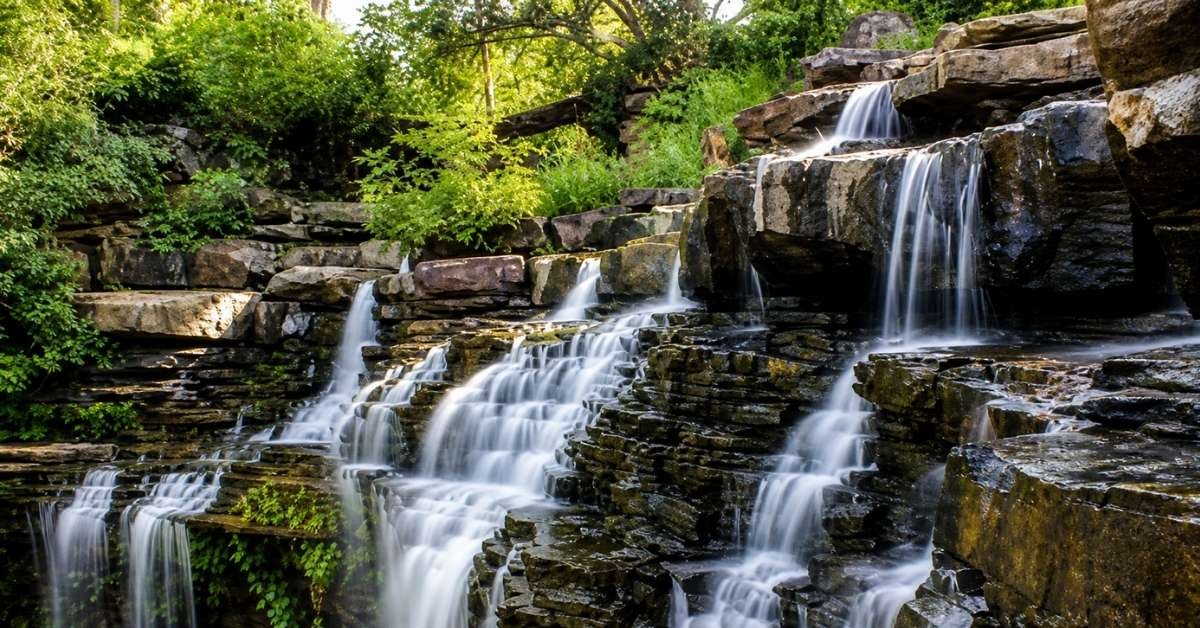
| Jibhi Waterfall | 1 km | 15-minute walk | Paved stone path, highly accessible |
| Chehni Kothi | 7 km | 30-min drive + 1.5 km trek | Drive to Bagi Village, then uphill walk |
| Jalori Pass | 14 km | 45-minute drive | Steep uphill, sharp curves (NH305) |
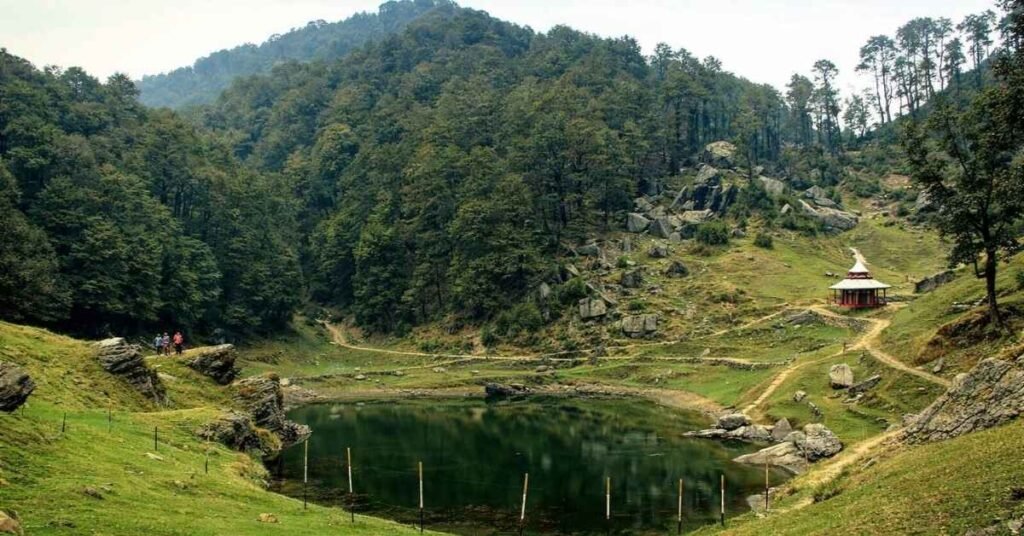
| Serolsar Lake | 20 km (Total) | 14 km drive + 6 km trek | Drive to Jalori, then dense oak forest trail |
| Tirthan Valley | 18 km | 45-minute drive | Smooth drive along the Tirthan River |
Jibhi Waterfall is the only major attraction you can easily walk to from most homestays. Every other excursion in this list requires either your own vehicle or an arranged taxi. The 1 km paved path to the waterfall makes it accessible regardless of age, fitness level, or whether you arrived without transport.
For the drive to Jalori Pass, one thing needs to be said clearly: 14 km on paper and 14 km on that road are two completely different experiences. The steep gradient and continuous hairpin bends make it feel significantly longer than the distance suggests. If you are unconfident on mountain roads or driving an unfamiliar vehicle, hire a local 4×4 driver rather than attempting it yourself. Guesthouses in Jibhi arrange this easily. It is not overcaution; that descent requires working brakes and active concentration throughout.
Wrapping Up Your Delhi to Jibhi Trip
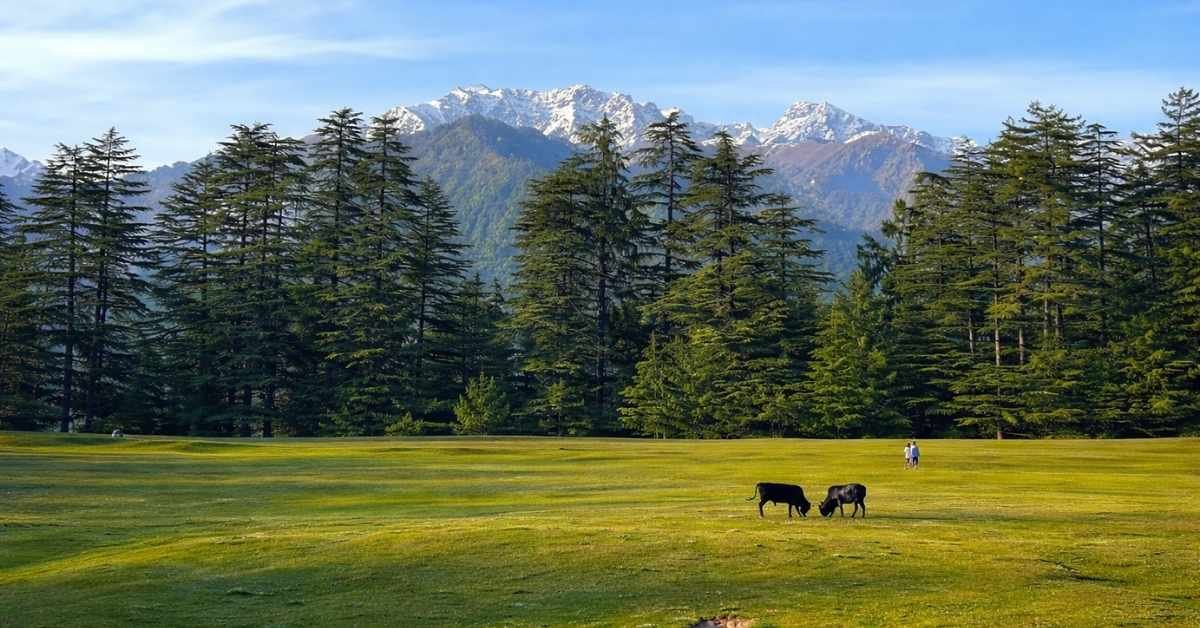
The Jibhi distance from Delhi is roughly 490 to 510 km, but this is one road trip where the drive genuinely matches the destination. Snow-capped ridges, river valleys, and pine forests start showing up well before you reach Jibhi.
Plan your route, remember the Aut turn, carry cash, and leave Delhi at night. That is really all you need to get this trip right.
Have you already been to Jibhi, or are you planning your first visit? Drop your questions or experiences in the comments below.
Frequently Asked Questions: Delhi to Jibhi
How far is Jibhi from Delhi? Jibhi is approximately 490 to 510 km from Delhi by road, depending on the exact route you take.
How many hours does it take to reach Jibhi from Delhi by car?
By car, the Delhi to Jibhi drive takes roughly 11 to 13 hours under normal traffic and road conditions. Leaving at night from Delhi is the most time-efficient option.
Is there a direct bus from Delhi to Jibhi?
No direct bus runs to Jibhi. Take an overnight Volvo bus from Kashmere Gate or Majnu Ka Tila toward Manali, get off at Aut, and then take a local bus or taxi to Jibhi via Banjar.
Which is the nearest airport to Jibhi?
Bhuntar Airport in Kullu is the nearest airport, approximately 50 km from Jibhi. Taxis are available from the airport directly to Jibhi.
Which turn should I take at Aut to reach Jibhi?
Do not enter the Aut Tunnel. Take the right turn just before the tunnel toward Banjar. From Banjar, Jibhi is about 15 km ahead.
What is the best time to visit Jibhi from Delhi?
March to June and October to November are the best months. Weather is clear, roads are open, and the valley is at its most accessible during these periods.
Is Jibhi accessible in winter?
Yes, but heavy snowfall between December and February can make roads slippery and some routes may close temporarily. Check road conditions before departing.