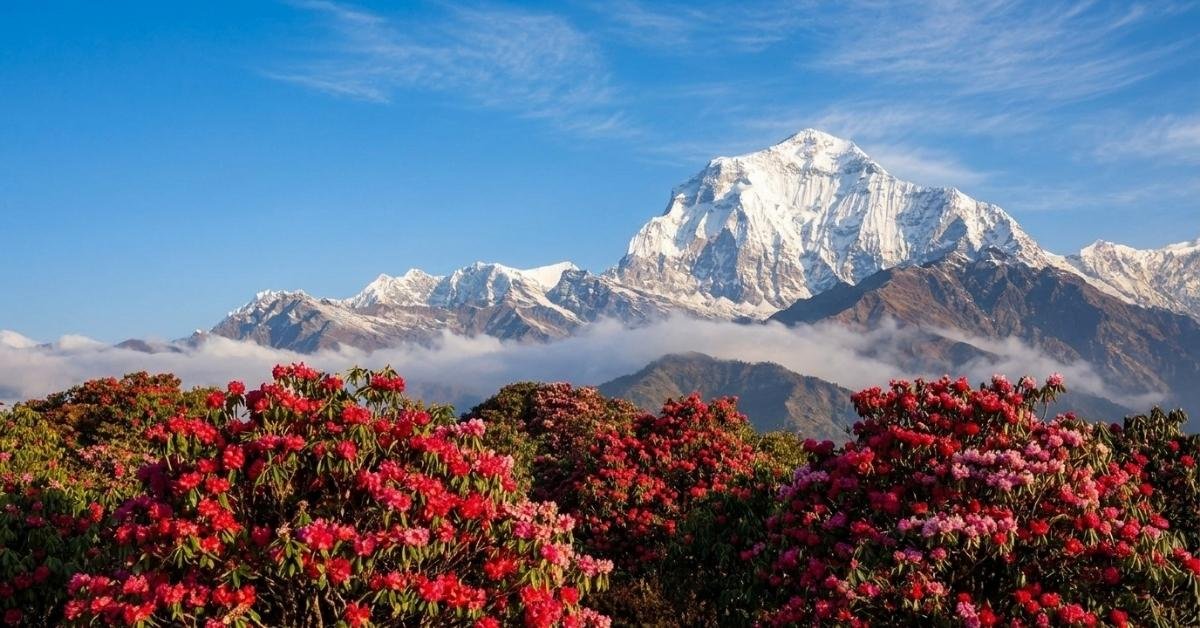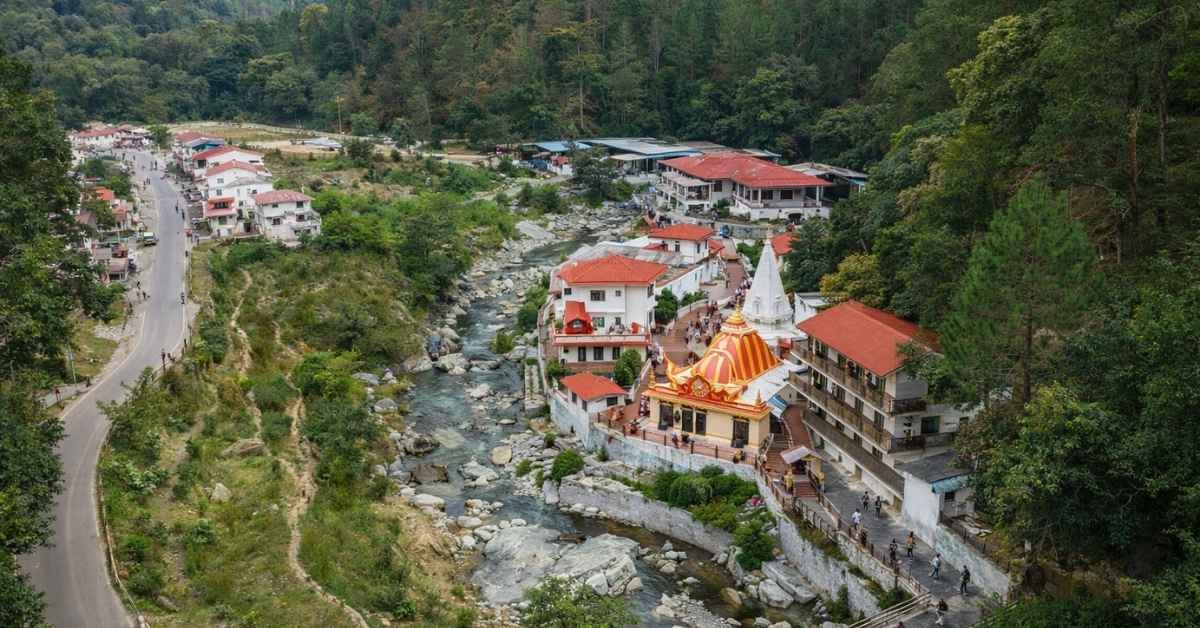
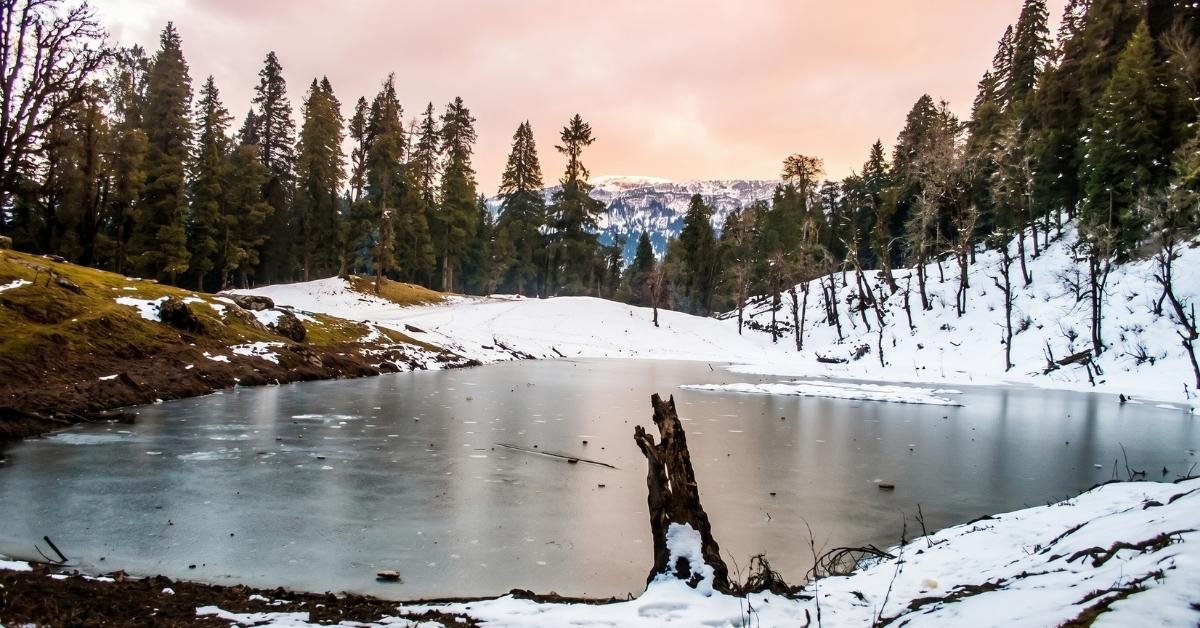
Juda Ka Talab is a high-altitude frozen lake located inside Govind Pashu Vihar National Park, Uttarkashi district, Uttarakhand. It sits at approximately 9,100 feet (2,773 meters) and serves as the primary campsite on the Kedarkantha trek route.
I am Michael, and I have trekked across dozens of Himalayan trails. But Juda Ka Talab was the one place that genuinely made me stop walking and just stare.
Most people come for Kedarkantha summit. But ask any experienced trekker, and they will tell you the same thing: the lake camp the night before the summit is the memory that stays with you longest.
A frozen lake surrounded by pine and oak forests, completely silent, with no phone signal and a sky full of stars. That is Juda Ka Talab.
History and Mythology Behind the Lake
Juda Ka Talab directly translates to “the lake of the lock.” The name comes from a local legend rooted in Hindu mythology, and once you hear it, the place feels completely different.
The story goes like this. Lord Shiva, while meditating in the Himalayas, untied the lock (juda) of his matted hair at this exact spot. Water dripped from that lock and slowly collected in a natural hollow in the ground. Over time, that water formed the lake we camp beside today.
It sounds simple. But when you are actually sitting at the edge of this lake at 9,100 feet, in complete silence, with snow all around you, the story does not feel like a myth. It feels entirely possible.
The lake is considered sacred by local villagers in the Sankri region. Many believe Shiva’s presence still guards this part of the forest inside Govind Pashu Vihar National Park.
This is not a commercialized religious site. There are no temples or crowds here. Just the water, the trees, and a legend that has been passed down through generations in Uttarkashi district.
That quiet sacredness is a big part of what makes this campsite so special.
Trekking Route to Juda Ka Talab
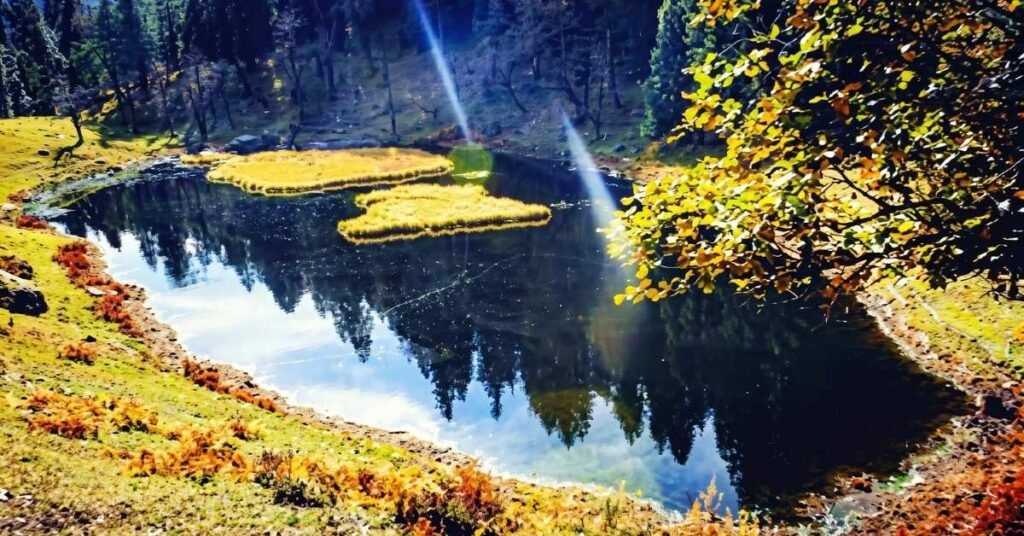
The trek to Juda Ka Talab starts from Sankri village, which itself sits at around 6,400 feet. The lake campsite is at 9,100 feet, and the trail covering that distance is approximately 4 kilometers.
On paper, 4 kilometers sounds easy. On the actual trail, it takes most trekkers between 3 to 5 hours depending on fitness level, pack weight, and how many times you stop to catch your breath or take photos.
What the Trail Actually Looks Like
The path begins at the edge of Sankri village and enters the forest almost immediately. Within the first 30 minutes, the noise of the village disappears completely.
What replaces it is the sound of your own footsteps on a mix of packed mud, loose rocks, and in winter, crunching snow. The forest here is dense. You are walking through a canopy of pine, oak, and maple trees that block out a large portion of the sky.
I remember this section vividly. The trees were so close together that even on a bright December morning, the trail felt like early evening. It was cold, around 2 to 3 degrees Celsius, and my breath was visible with every step.
The Gradient and What to Expect
This is not a flat walk. The trail climbs steadily throughout, with a few sections that are noticeably steep. The gain from Sankri to the lake campsite is roughly 2,700 feet in altitude.
Here is a simple breakdown of what the route feels like in sections:
| Trail Section | Distance | Terrain | Difficulty |
| Sankri to Forest Entry | 0.5 km | Dirt path, gentle slope | Easy |
| Forest Entry to Midpoint | 1.5 km | Dense forest, steady climb | Moderate |
| Midpoint to Lake Camp | 2 km | Steeper, snow possible in winter | Moderate to Hard |
My Ground-Level Tip
Start early. I made the mistake on my first Kedarkantha attempt of leaving Sankri at 9 AM. By the time I reached the lake camp, the afternoon clouds had already rolled in and the temperature had dropped sharply.
Leave by 7 AM at the latest. The morning light through those oak and pine forests is also genuinely one of the most beautiful things I have seen on any Indian Himalayan trek.
One more thing nobody tells you before you start: there is zero mobile network from the moment you enter the forest. Your last reliable signal, whether Airtel or BSNL, will be back in Sankri village. After that, you are fully off the grid until you return.
Plan accordingly. Tell someone your expected return time before you leave.
Not Sure Where To Go!
Let our Random Country Generator help you discover your next perfect destination.
Use Our Free ToolBest Time to Visit and Weather Guide
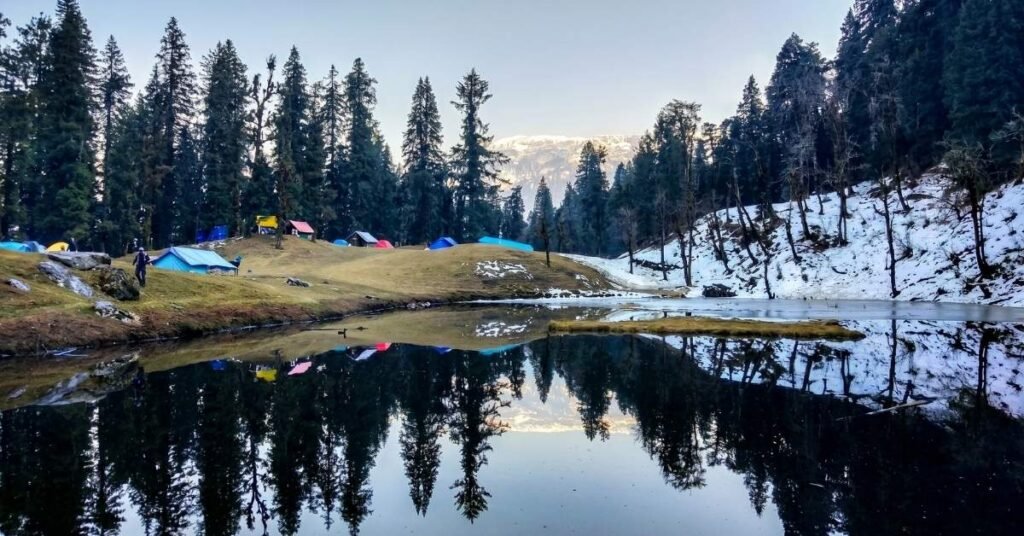
Juda Ka Talab can be visited across multiple seasons, but the experience changes dramatically depending on when you go. The trail is generally open from October through June, with December to February being the most popular window for those who want to see the lake fully frozen.
Season-by-Season Breakdown
| Season | Months | Temperature Range | Trail Condition | Experience |
| Winter | Dec to Feb | -10°C to 4°C | Snow-covered, icy patches | Frozen lake, snow camping |
| Spring | Mar to Apr | 2°C to 12°C | Partially snow, muddy | Lake thawing, fewer crowds |
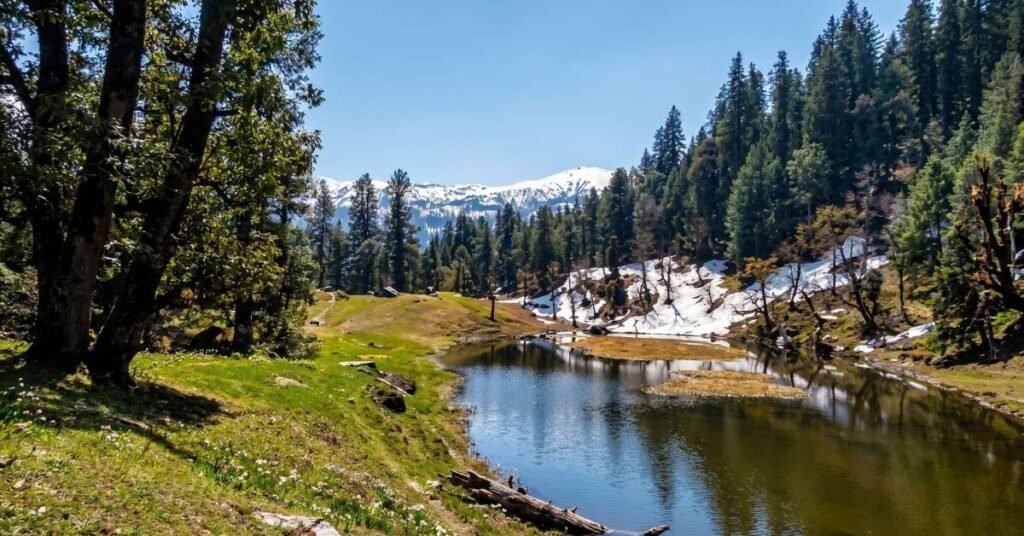
| Summer | May to Jun | 8°C to 18°C | Clear, dry trail | Green forest, lake fully open |
| Monsoon | Jul to Sep | 10°C to 16°C | Slippery, landslide risk | Trek NOT recommended |
The Frozen Lake Phenomenon
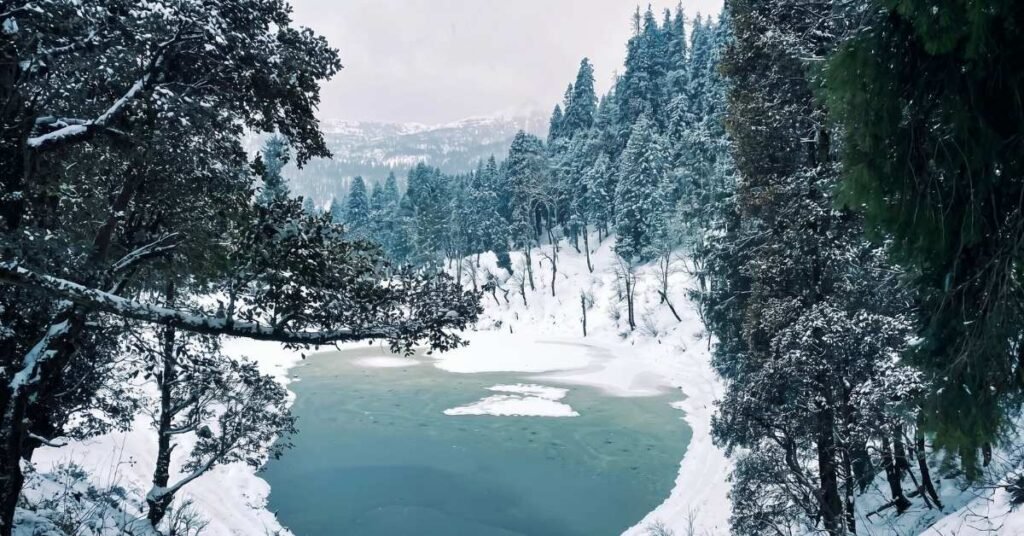
In peak winter, the surface of Juda Ka Talab freezes completely. The water turns to a thick sheet of ice that reflects the surrounding pine trees and the sky above it.
This happens because the lake sits in a natural hollow surrounded by dense forest and high ridges on multiple sides. Cold air gets trapped in this depression overnight, pushing temperatures well below freezing consistently through December and January.
I camped here in late December. By 8 PM the temperature had dropped to around minus 6 degrees Celsius at the lakeside. By midnight, I genuinely could not feel my toes inside two pairs of socks and a sleeping bag rated to minus 10.
The Best Month in My Opinion
January gives you the deepest snow and the most dramatic frozen lake. But December is slightly more forgiving in terms of cold and is easier for first-time winter trekkers.
If frozen lakes and snow camping are not your priority, late March offers a completely different kind of beauty. The snow starts melting, small streams open up across the trail, and the forest feels alive in a way that winter simply does not allow.
For official weather and trek advisories, you can check Uttarakhand Tourism’s official portal before planning your dates.
How to Reach the Basecamp (Sankri)
Sankri village is the basecamp for the Kedarkantha trek and your starting point for Juda Ka Talab. It sits in Uttarkashi district and is well connected by road, though the journey requires some planning.
Nearest Transport Hubs
By Air:
- Nearest airport is Jolly Grant Airport in Dehradun
- From the airport, hire a private cab directly to Sankri
- Cab distance is roughly 200 kilometers and takes 7 to 9 hours depending on road conditions
By Train:
- Nearest major railway station is Dehradun Railway Station
- From Dehradun, shared jeeps and private cabs are available to Sankri
- The road passes through Mussoorie, Nainbagh, Purola, and then into Sankri
By Bus:
- GMOU buses run from Dehradun’s ISBT to Purola
- From Purola, shared jeeps head toward Sankri
- Total road journey from Dehradun is approximately 8 to 10 hours
Key Stops on the Route to Sankri
| Town | Distance from Dehradun | Why It Matters |
| Mussoorie | 35 km | Fuel and food stop |
| Nainbagh | 100 km | Last major petrol pump |
| Purola | 150 km | Last ATM and medical shop |
| Sankri | 200 km | Basecamp, trek starts here |
Michael’s Survival Tip: Do This in Purola
This is the most important practical advice I can give you for this trek. Stop in Purola and withdraw enough cash before heading to Sankri. There are no ATMs in Sankri village. None.
Most guesthouses, local guides, and permit offices in Sankri work on cash only. I have personally seen trekkers stranded without money because they assumed a digital payment option would be available. It is not.
Also withdraw enough to cover your return journey. Do not assume the Purola ATM will have cash when you come back down after 4 to 5 days on the trail.
On network coverage: your last reliable Airtel or BSNL signal is in Sankri itself, and even that is inconsistent. Once you enter the forest toward Juda Ka Talab, your phone becomes a camera and nothing else. Inform your family before you leave Sankri, not after.
For permit requirements inside Govind Pashu Vihar National Park, check the official Uttarakhand Forest Department portal for updated entry guidelines.
Trekking Tips for Beginners
Juda Ka Talab is considered a beginner to moderate trek, but that label can be misleading in winter. The cold, the altitude gain, and the snow underfoot demand real preparation. Here is exactly what you need.
Essential Gear Checklist
Clothing and Layers:
- Thermal inner layer (top and bottom)
- Fleece mid-layer jacket
- Waterproof and windproof outer shell jacket
- Warm gloves, a woolen cap, and a balaclava for night camp
- Two pairs of wool or thermal socks minimum
Footwear:
- Waterproof trekking boots with ankle support
- Crampons or micro-spikes for winter months (December to February)
- Do not attempt the icy sections near the lake without them
Other Essentials:
- Trekking poles (your knees will thank you on the descent)
- Headlamp with extra batteries
- Personal first aid kit
- Minimum 2 liters water capacity, insulated bottle preferred
- High-calorie snacks like dry fruits, energy bars, and nuts
Understanding Altitude Sickness
At 9,100 feet, Juda Ka Talab is not extreme altitude. But for trekkers coming from sea-level cities like Mumbai or Karachi, the change is noticeable.
Watch for these early warning signs:
- Persistent headache that does not go away with water or rest
- Nausea or loss of appetite at camp
- Dizziness or feeling unusually short of breath on flat sections
The rule is simple. If symptoms appear, do not push higher. Descend immediately.
My Honest Fitness Advice
You do not need to be an athlete. But you should be able to walk briskly for 60 to 90 minutes without stopping before attempting this trek. Start doing stair climbs and long walks at least 3 weeks before your departure date.
Final Thoughts and FAQs
Juda Ka Talab is not just a campsite on the way to Kedarkantha. It is genuinely one of the most peaceful and visually striking places I have sat down and eaten a meal in all my years of Himalayan trekking. The frozen lake, the silent forest, the complete absence of network and noise – it resets something in you.
Plan well, carry cash from Purola, leave Sankri early, and respect the cold. Do that and this trail will give you memories that last far longer than the soreness in your legs.
See you on the trail. – Michael
Frequently Asked Questions
Q1. What is the altitude of Juda Ka Talab?
Juda Ka Talab sits at approximately 9,100 feet (2,773 meters) above sea level.
Q2. Is Juda Ka Talab safe for beginners?
Yes, with proper gear and a reasonable fitness level, beginners can complete this trek comfortably.
Q3. Can I do this trek solo?
Solo trekking is possible but hiring a local guide from Sankri is strongly recommended, especially in winter.
Q4. Is the lake actually frozen in winter?
Yes. Between December and February, the lake surface freezes completely and is covered in snow.
Q5. Is there mobile network at Juda Ka Talab?
No. There is zero mobile network at the lake. Your last reliable signal is in Sankri village.
Q6. Which is the nearest ATM to Sankri?
The nearest ATM is in Purola town, approximately 50 kilometers before Sankri on the approach road.