Ranthambore offers far more than tiger safaris. Visit the ancient Ranthambore Fort, pray at Trinetra Ganesh Temple, take a Chambal river boat ride, and explore Padam Talao for birds and scenery. These experiences make Ranthambore worth a longer stay.
I visited Ranthambore expecting just one thing: tigers. What I got was something much bigger.
The list of things to do in Ranthambore surprised me completely. A fort older than most European castles. A temple that receives actual wedding invitations by post. Lakes that fill up with migratory birds every winter. And a river safari where gharials outnumber tourists.
Most visitors spend one night, tick off a safari, and leave. I stayed longer. And every extra hour showed me a side of Ranthambore that the tiger crowds never see.
The Ultimate Tiger Safari Experience
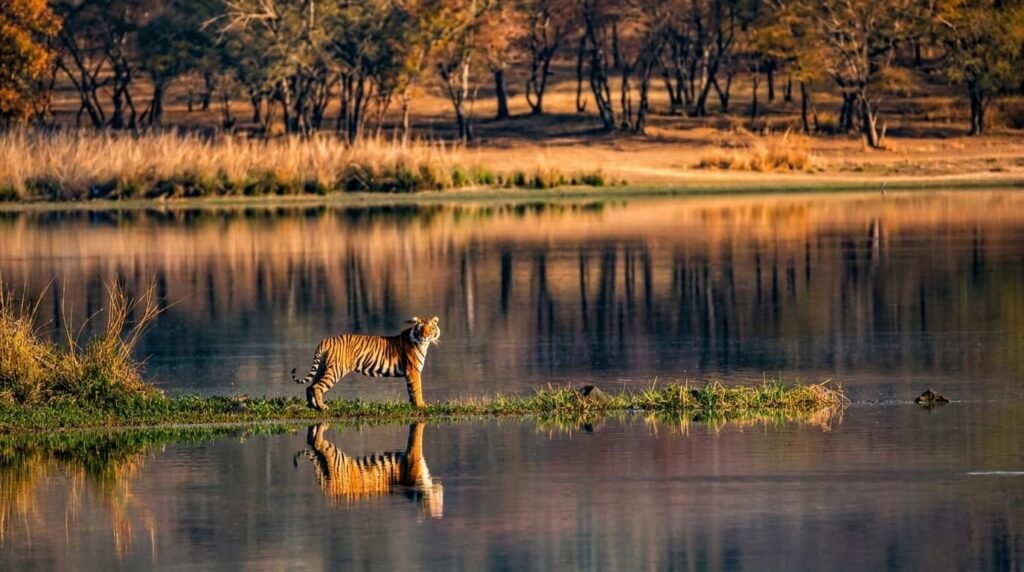
No trip to Ranthambore is complete without a safari. This is where everything comes alive. The dry forests, the alarm calls of deer, the sudden stillness before a tiger appears. Even if you don’t spot a tiger, the experience stays with you.
I learned one thing the hard way: book your safari early. Slots fill up weeks in advance, especially from October to April. The official booking portal is fmdss.forest.rajasthan.gov.in. I’d recommend locking in your zone and timing at least 4 to 6 weeks before your visit.
You can choose between a Jeep (6 seats) for a private feel or a Canter (20 seats) for a budget-friendly group ride. Jeeps give you more flexibility inside the zone. Canters are louder but cheaper.
Core Zones vs Buffer Zones
| Feature | Core Zones (1-5) | Buffer Zones (6-10) |
| Tiger sighting chances | Higher | Moderate |
| Crowd levels | More regulated | Less crowded |
| Booking difficulty | Harder to get | Easier to book |
| Landscape | Dense, dramatic | Open, greener |
| Best for | Tiger spotters | Birdwatchers, nature lovers |
Core zones are the heart of the action. Zone 3 and Zone 4 are crowd favourites for tiger sightings. Buffer zones are quieter and often underrated for leopards, sloth bears, and birds.
The Three Lakes You Must Know
The park’s three lakes are where most wildlife action happens:
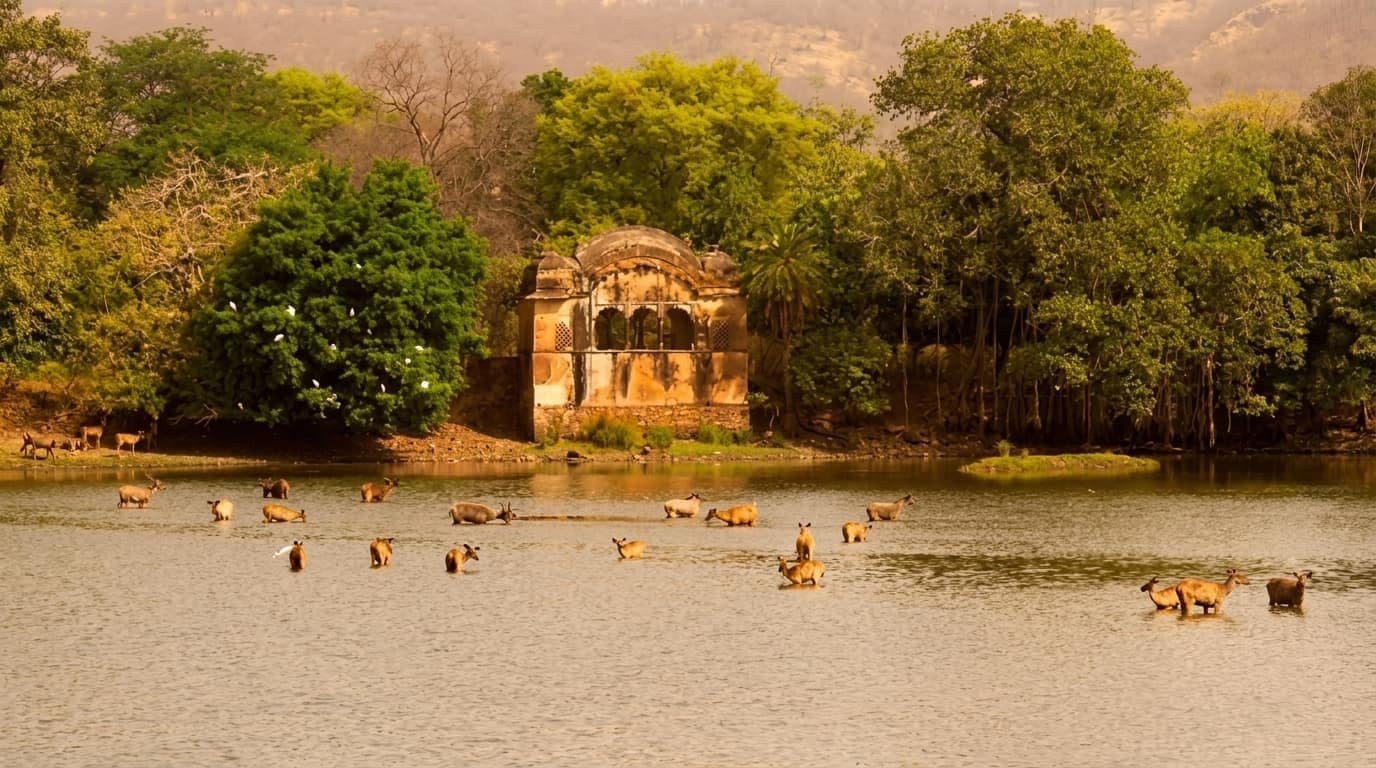
- Padam Talao is the largest lake in the park. Early mornings here are magical. The historic Jogi Mahal sits near Padam Talao, making this zone visually stunning beyond the wildlife.
- Rajbagh Talao is known for its ancient ruins and frequent crocodile sightings along the banks.
- Malik Talao is the smallest of the three but brilliant for birdwatching, especially kingfishers and painted storks.
Carry binoculars. Even on a “quiet” safari, these lakes never disappoint.
Historical Marvels Inside the Jungle
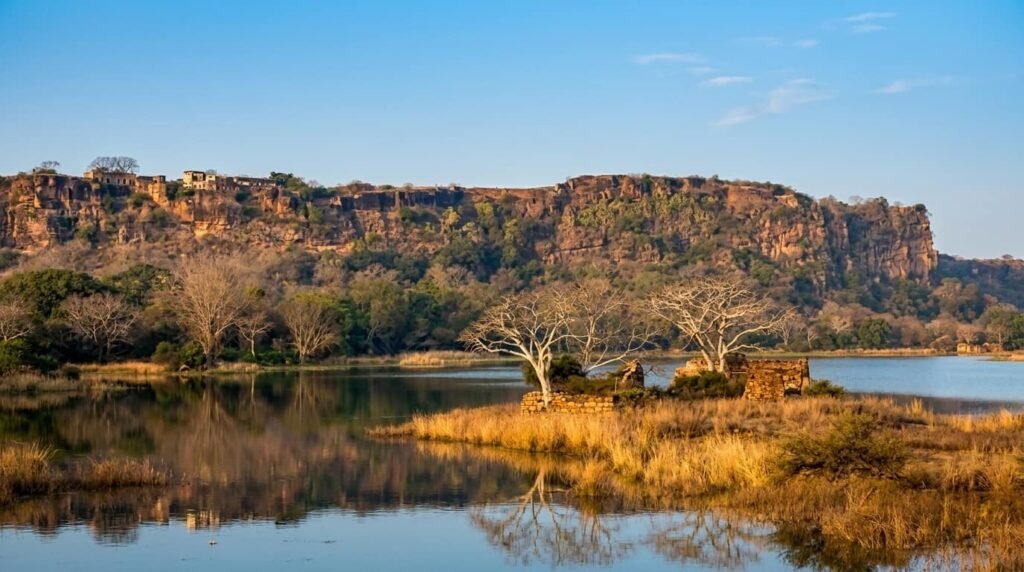
Most people drive past the fort gates without stopping. I almost did too. That would have been a mistake.
Ranthambore Fort is a UNESCO World Heritage Site sitting right inside the national park. It is over 1,000 years old. Armies fought over it for centuries. Today, deer graze at its base and eagles circle its towers.
Climbing the steep path to the fort, I realized this place tells a story no safari can. Every crumbling wall and carved pillar holds centuries of history. It does not feel like a museum. It feels alive.
Trinetra Ganesh Temple
At the very top of the fort sits the Trinetra Ganesh Temple. This is one of the most unique temples I have ever visited.
Here is the fact that stopped me cold: people from across India post their physical wedding invitations to this temple before their ceremony. The belief is that Lord Ganesh must be invited first, before any other guest. The temple receives thousands of these invitations every year.
The post box outside the temple is real. The letters pile up daily. It is one of those rare travel moments that genuinely surprises you.
3 Reasons to Visit the Fort Even If History Bores You
- Panoramic views of the jungle: From the top, you can see the park stretching out in every direction. On a clear morning, it is one of the best views in Rajasthan.
- Brilliant birdwatching: Vultures, eagles, and owls nest inside the fort walls. Birders often find species here that they miss on safaris.
- Architecture that blends with nature: Trees grow through broken walls. Roots wrap around old stones. The fort and the forest have merged into something extraordinary.
Entry to the fort is included when you enter the park. There is no reason to skip it.
Not Sure Where To Go!
Let our Random Country Generator help you discover your next perfect destination.
Use Our Free ToolOffbeat & Hidden Gems Nearby
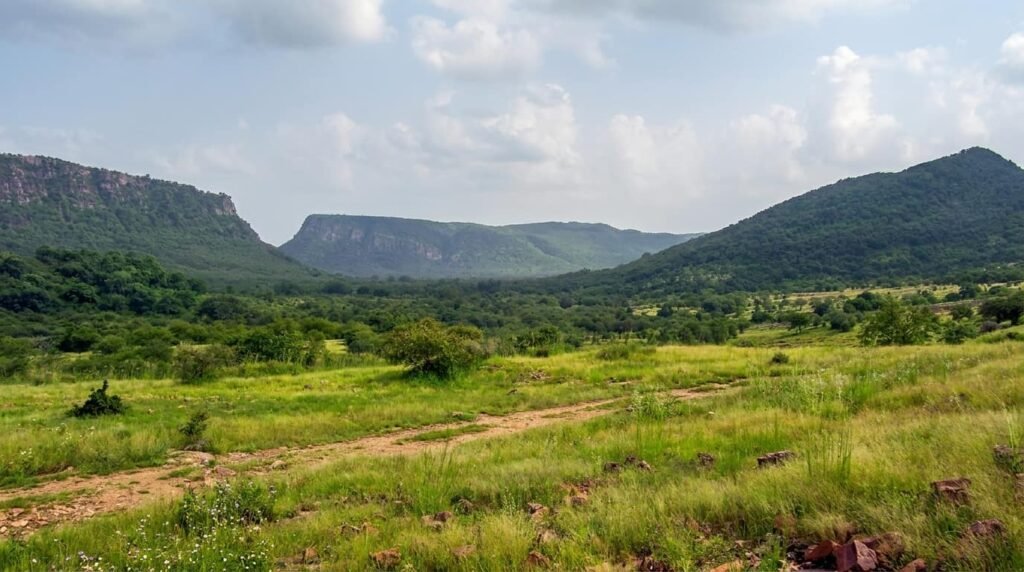
Most tourists leave Ranthambore having seen only the park. They miss the places just beyond it that are honestly just as memorable. These three spots changed how I experienced the entire region.
National Chambal Gharial Sanctuary (Palighat)
This one blew me away. Around 40 kilometres from Ranthambore, the National Chambal Gharial Sanctuary at Palighat offers a boat safari on the Chambal River that feels nothing like a jeep ride through the jungle.
The Chambal is one of India’s cleanest rivers, and it shows. I spotted gharials lined up on sandy banks, their long snouts unmistakable. Mugger crocodiles, Gangetic dolphins, and skimmers were all part of the same morning.
The boat moves quietly. There are no engines roaring or crowds pushing. Just the river, the birds, and these ancient reptiles doing exactly what they have done for millions of years.
If you have a free morning after your safari, use it here. Most people have never even heard of this place.
Surwal Lake
Surwal Lake is a seasonal wetland that transforms completely in winter. From November to February, it becomes a gathering point for migratory birds flying in from Central Asia and Siberia.
I visited on a cold December morning and counted dozens of species within the first hour. Bar-headed geese, sarus cranes, and painted storks were everywhere. The lake is calm, uncrowded, and completely free of the tourist rush.
Carry your binoculars and arrive before 7am. The light is perfect for photography and the birds are most active in the early hours.
Rajiv Gandhi Regional Museum of Natural History
Located in Ramsinghpura, just a short drive from the park, this museum is an underrated stop, especially for families travelling with children.
The exhibits cover Indian ecosystems, wildlife conservation, and geological history in a way that is genuinely engaging. My favourite section explained the food chain inside Ranthambore itself.
It reframes everything you saw on safari. Suddenly the park makes more sense, and kids leave actually understanding what they experienced.
Experiencing Local Art and Culture
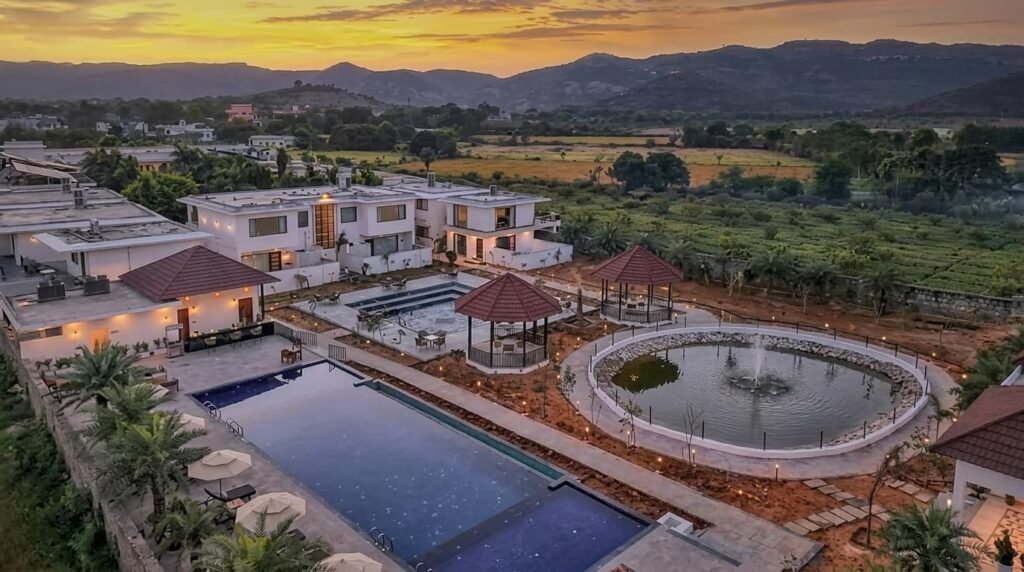
Shopping was never high on my Ranthambore agenda. Then someone pointed me toward Dastkar Ranthambore, and I ended up spending an entire afternoon there.
Dastkar is an NGO that works directly with women from villages surrounding the park. These women craft everything by hand. Block-printed fabrics, embroidered textiles, handmade bags. Every piece carries real skill and real story behind it.
What struck me most was the atmosphere. No pushy selling. No tourist trap pricing. Just craftswomen working quietly and products that actually reflect the place you visited.
Buying here does not just get you a souvenir. It puts money directly into the hands of the people who live alongside this forest every single day.
Top Souvenirs to Buy at Dastkar Ranthambore
- Block-printed fabrics in earthy, nature-inspired tones
- Tiger motif bags that are practical and beautifully made
- Embroidered cushion covers with traditional Rajasthani patterns
- Hand-stitched pouches perfect as gifts
- Printed stoles and dupattas that are lightweight and travel-friendly
If you want one experience in Ranthambore that connects you to the community rather than just the wildlife, this is it.
Practical Travel Tips for Your Trip
Good planning makes the difference between a stressful trip and a smooth one. These are the tips I wish someone had told me before my first visit.
Best Time to Visit
- October to April is the ideal window. The weather is cool, the vegetation is thinner, and tiger sightings are more frequent.
- November to February is peak season. Book everything well in advance during these months.
- July to September the park stays closed during monsoon season. Do not plan a safari trip during these months.
- April and May are hot but surprisingly good for sightings. Animals gather around water sources, making spotting easier.
How to Reach Ranthambore
- By Train: The nearest railway station is Sawai Madhopur, directly connected to Delhi, Jaipur, and Mumbai. Book your train tickets through irctc.co.in well ahead of travel dates. The station is just 10 kilometres from the park gates.
- By Road: Ranthambore is around 180km from Jaipur and roughly 400km from Delhi. Taxis and buses connect both cities regularly.
- By Air: The nearest airport is Jaipur International Airport. From there, hire a cab or take a train to Sawai Madhopur.
What to Wear on Safari
- Choose earthy tones like olive, beige, brown, and khaki. Bright colours disturb wildlife and draw unnecessary attention.
- Layer up for early mornings. Even in October, open jeeps get cold before sunrise.
- Carry a light scarf or buff to protect against dust on forest trails.
- Avoid whites and bright patterns completely inside the park.
- Closed shoes are better than sandals. The terrain can be rough and dusty.
Small preparations like these make your safari significantly more comfortable and respectful of the environment.
Make the Most of Your Ranthambore Trip
Ranthambore is one of those places that keeps giving the longer you stay. The tiger safari is just the starting point. Beyond it sits a UNESCO fort, a river full of gharials, winter lakes crowded with migratory birds, and a community of craftswomen keeping traditional art alive.
I came for one morning safari. I stayed three days and still felt like I had left things undone.
The key is to treat Ranthambore as a destination, not a stopover. Plan your safari zones early, keep one morning free for Chambal, and save an afternoon for Dastkar and the fort. That combination gives you a trip worth talking about long after you return home.
Frequently Asked Questions
How many days are enough for Ranthambore?
Three days is the sweet spot for covering safaris, the fort, and nearby attractions comfortably. Two days works if you focus only on the park itself.
Can we visit Ranthambore Fort without a safari booking?
Yes, the fort is accessible through the general park entry without a safari booking. However, timings and access rules can vary, so confirm locally before visiting.
Which is the best safari zone in Ranthambore?
Zone 3 and Zone 4 are consistently rated highest for tiger sightings and dramatic landscape. For a quieter experience with good wildlife variety, buffer zones like Zone 6 are worth considering.