The best time to visit Meghalaya depends on what you want to see. For waterfalls at full power, go from June to September. For the famous crystal-clear water at Dawki (Umngot River), visit between October and April. Both are completely different experiences.
On my first trip to Meghalaya, I made a classic mistake. I planned everything around photos I saw online, without checking what month those photos were taken in. I arrived expecting a turquoise, glass-like Umngot River at Dawki, and instead found it muddy and unrecognizable. That one trip taught me more about this state than any travel article ever did.
The truth is, Meghalaya does not follow the usual rules of Indian travel. Here, the season you pick does not just affect your comfort. It completely changes what you will actually see and experience on the ground.
Knowing the best time to visit Meghalaya is honestly the most important decision you will make before booking your tickets. Get it right, and you will witness some of the most breathtaking landscapes in the entire country. Get it wrong, and you may return home disappointed.
This guide breaks everything down clearly. Waterfalls vs. clear rivers. Festivals vs. crowds. Budget travel vs. peak season pricing. By the end, you will know exactly which month matches what you are actually looking for.
Monsoon (June to September): The Waterfall Season
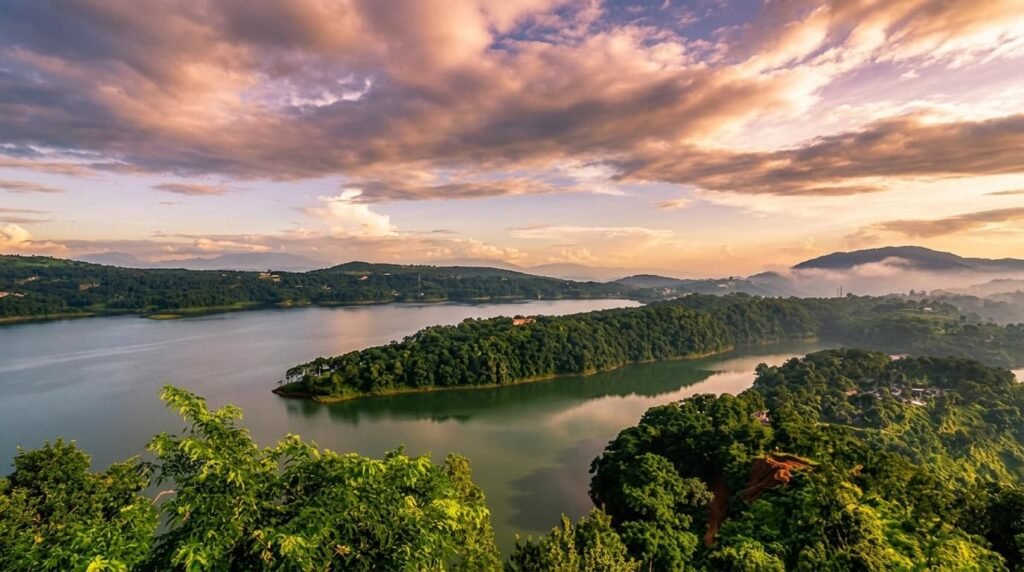
Most people hear “monsoon” and immediately think of cancelled plans and ruined trips. In most parts of India, that instinct is fair. But Meghalaya in monsoon is a completely different story.
This is the season the state was made for.
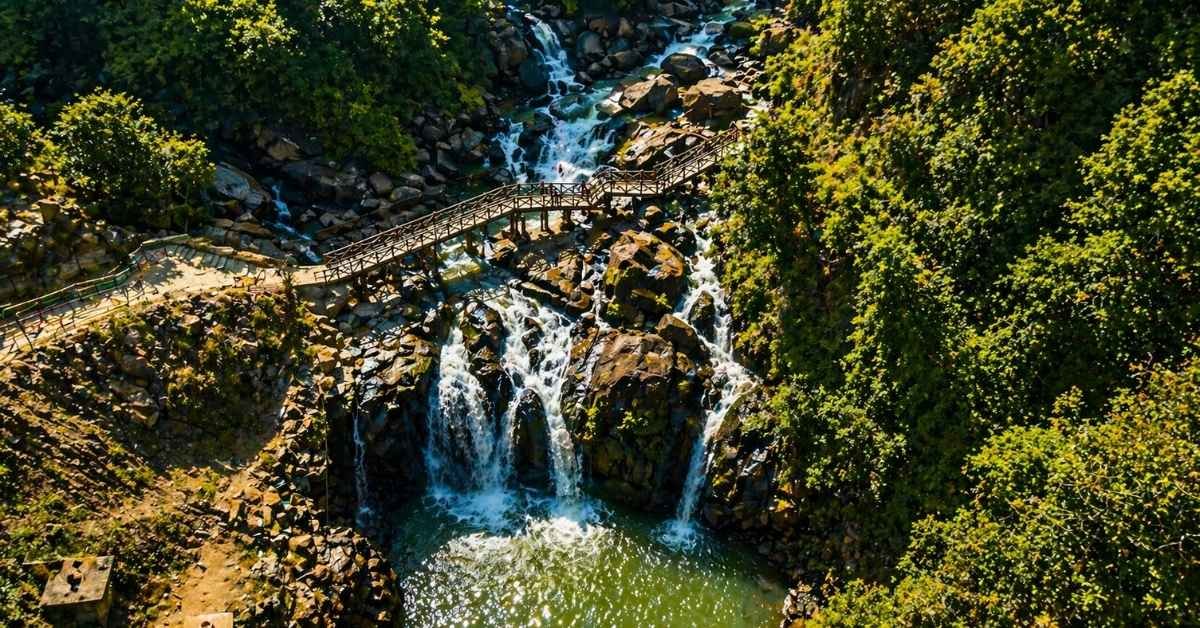
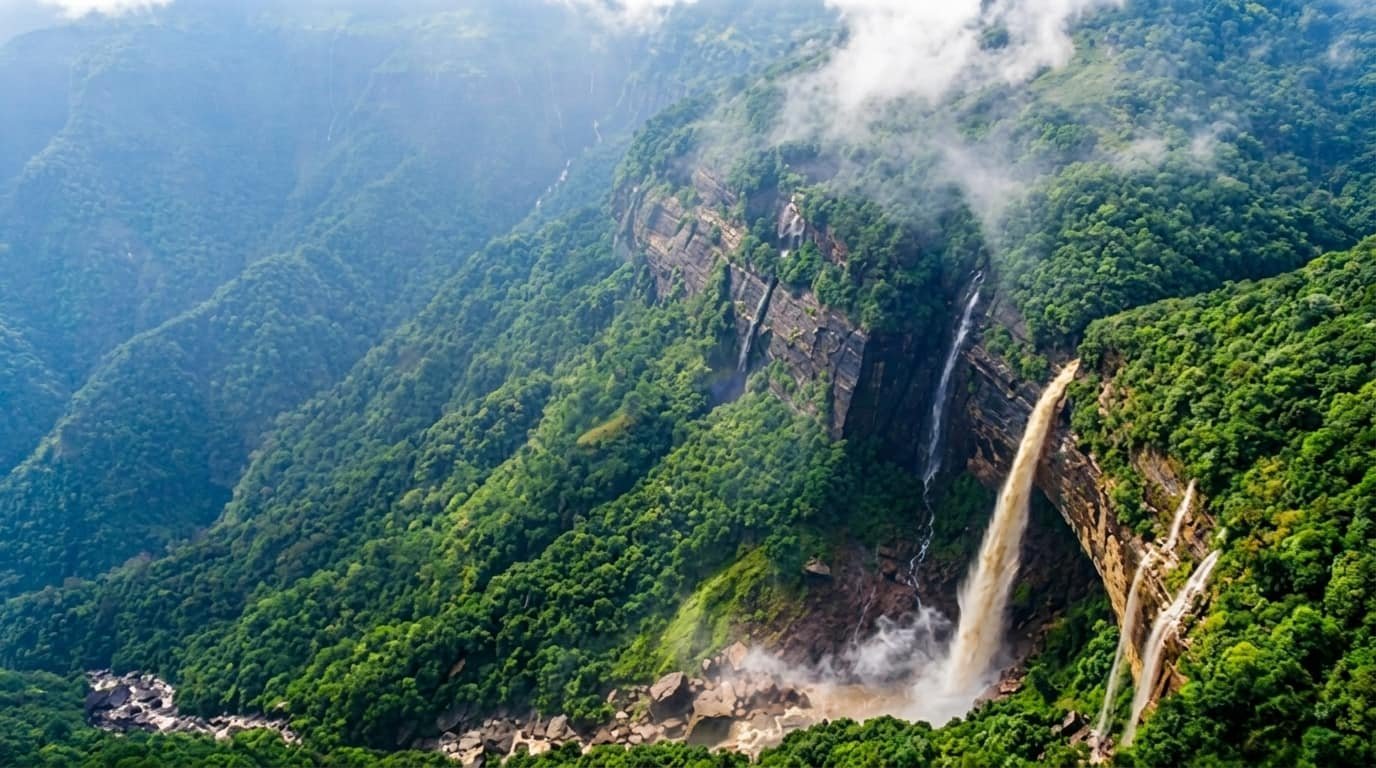
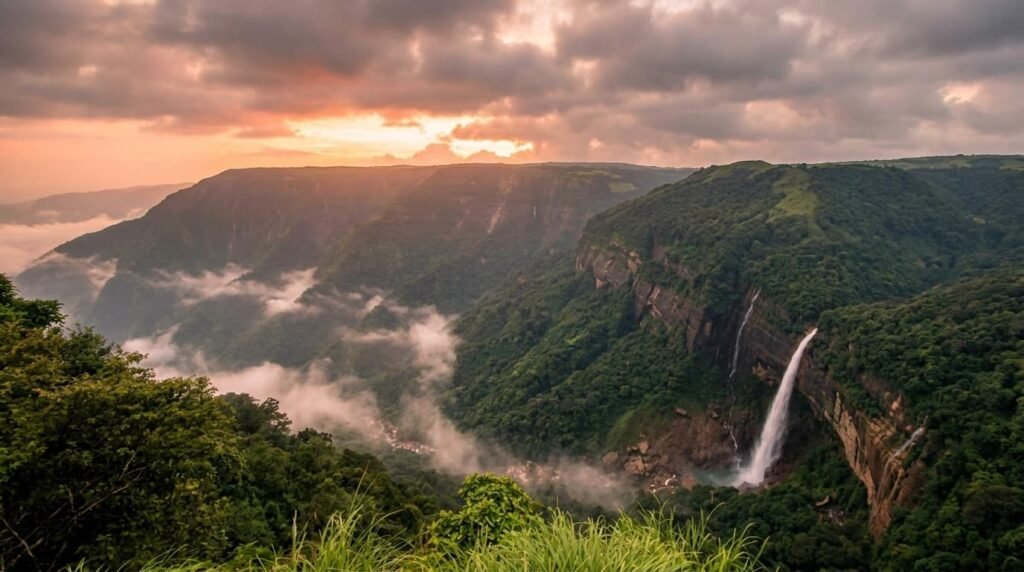
Cherrapunji, one of the wettest places on Earth, transforms into something that looks almost unreal during these months. Nohkalikai Falls, India’s tallest plunge waterfall, drops with such force that you can feel the vibration in your chest from a distance. Seven Sisters Falls, one of the most photographed waterfalls in Northeast India, runs at full width and power, and the view from the viewpoint is genuinely jaw-dropping.
I visited in late August, and I still think about that morning at Nohkalikai. The mist was so thick it kept swallowing the base of the falls completely. It was the kind of view that makes your phone camera feel completely useless.
Is It Safe to Travel in Meghalaya During Monsoon?
This is one of the most asked questions I see on travel forums, and the honest answer is: yes, it is safe, but you need to be smart about it.
Roads in the hills, especially around Cherrapunji and Mawsmai, can get slippery and narrow. Landslides are not unheard of on certain stretches. Travel between locations simply takes longer than Google Maps will tell you. If you are driving yourself, go slow, hire a local driver who knows the roads, and always check conditions in the morning before heading out.
Avoid trekking into gorges or riverbeds alone during heavy rainfall. Water levels can rise very quickly without warning.
For the most up-to-date weather conditions and any travel advisories during your trip, the Meghalaya Tourism official website is a reliable place to check before you head out each day.
One Personal Tip I Swear By
Do not rely on a cheap umbrella here. I made that mistake on day one and spent the rest of the afternoon soaked through. Invest in a proper waterproof rain poncho and waterproof shoes before you arrive. Meghalaya’s rain does not fall straight down like normal rain. It comes at you sideways, from every direction. A poncho covers you and your backpack at the same time, which is something a regular umbrella will never do.
Pros vs. Cons of Visiting Meghalaya in Monsoon
| Pros | Cons |
| Waterfalls are at peak power and beauty | Dawki river water is muddy, not clear |
| Lush, intensely green landscapes everywhere | Roads can be slippery and slow |
| Fewer tourists, more peaceful experience | Some trekking routes may be closed |
| Photography conditions are dramatic and moody | Rain gear and waterproof bags are a must |
| Budget-friendly, lower hotel rates | Flight or road delays are more common |
What About Dawki in Monsoon?
Let me be very direct about this. If seeing the crystal-clear water of the Umngot River at Dawki is on your list, do not go between June and September.
The river becomes heavily muddy during monsoon due to the sheer volume of rainfall and runoff from the surrounding hills. That glass-like turquoise water you have seen in every viral photo? It simply does not exist during these months. The Dawki visit will feel like a completely wasted day, and I have seen plenty of travelers share that exact disappointment online.
Save Dawki for October onwards. During monsoon, focus your energy on waterfalls, living root bridges, and the caves at Mawsmai. That is where the real magic is during this season.
Autumn (October to November): Cherry Blossoms & Clear Views
If someone asks me to pick just one season to recommend Meghalaya without knowing anything about their preferences, I pick October every single time. No hesitation.
This is the season where everything works in your favour at the same time, and that almost never happens in travel.
The monsoon has just packed up and left. The air is clean and sharp. The hills are still wearing that deep, saturated green that only weeks of heavy rain can produce. And crucially, the Umngot River at Dawki has started clearing up again. By mid-October, you can genuinely see the riverbed through the water. That famous glass-like surface is coming back to life.
The Waterfalls Are Still Worth It
Here is something most blogs will not tell you. October is not just a “post-monsoon” throwaway month for waterfalls. Nohkalikai Falls and Seven Sisters Falls still carry a very respectable volume of water in early-to-mid October. They are not at their absolute roaring peak like August, but they are far from dry. You get the power of the waterfall without standing in non-stop rain to see it. For most travellers, that is actually the better deal.
By November, the flow reduces further, but the views on a clear day are stunning in a quieter, more composed way.
Mawsmai Cave and Umiam Lake in This Weather
I revisited Mawsmai Cave in Cherrapunji during October on my second trip, and the experience was completely different from my monsoon visit. The pathways inside were dry and far easier to navigate. The lighting inside the limestone formations looked more dramatic with dry air around them.
Umiam Lake, just outside Shillong, is worth half a day during this season. The water reflects the surrounding hills with a clarity that is almost mirror-like in the morning hours. It is peaceful in a way that is hard to put into words, and significantly less crowded than the peak winter months.
If you are considering a luxury stay during this time, Ri Kynjai Resort on the banks of Umiam Lake genuinely delivers. The property and the surrounding scenery work together in a way that feels effortless during autumn.
Shillong Cherry Blossom Festival 2026
This is the event that has quietly turned November into one of the most exciting months to visit Meghalaya.
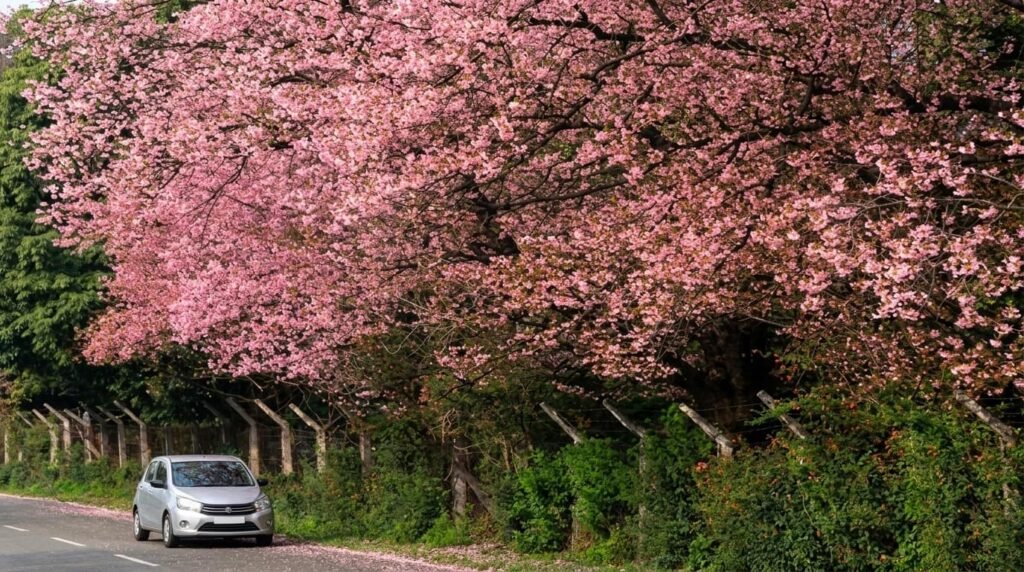
The Shillong Cherry Blossom Festival 2026 is scheduled for 20th and 21st November 2026 at Ward’s Lake and the Polo Grounds in Shillong. Himalayan cherry blossoms bloom across the city during this time, turning Shillong into a scene that most Indian travellers do not expect to find anywhere outside of Japan.
The festival is not just about flowers. It brings together live music, local food stalls, cultural performances, and an atmosphere that the city genuinely buzzes with. I attended a previous edition and the crowd was enthusiastic but not overwhelming. It felt like a celebration the locals actually cared about, not just a tourist production.
Book your accommodation in Shillong well in advance if you are planning around the festival dates. Hotels near Ward’s Lake and the Polo Grounds fill up quickly, and prices rise noticeably in that last week of November.
Why October-November Works for Everyone
Whether you are a photographer chasing dramatic landscapes, a couple looking for a romantic escape, a family wanting easy and accessible travel, or a solo backpacker trying to see as much as possible in limited time, this season delivers without forcing any major compromises.
The roads are dry and reliable. The skies are mostly clear. The rivers are starting to show their real colour. And if your dates line up with the Cherry Blossom Festival, you get one of the most visually unique events on the entire Indian travel calendar added on top of all of that.
Autumn in Meghalaya is not overrated. If anything, it is still underrated compared to what it actually offers.
Not Sure Where To Go!
Let our Random Country Generator help you discover your next perfect destination.
Use Our Free ToolWinter (December to February): Dawki’s Crystal Clear Water
Let me settle this once and for all, because I see this question everywhere online.
If you have seen that viral photo of a boat appearing to float in mid-air with nothing beneath it, that photo was taken at the Umngot River in Dawki, and it was almost certainly taken between December and February.
This is the season that made Dawki famous. The monsoon runoff has completely cleared by now. The water reaches a level of transparency that feels genuinely impossible when you see it in person. You can see every individual pebble on the riverbed from your boat. The water has a pale turquoise tone in some sections and goes completely colourless in others. I sat in a wooden rowing boat in January and spent a full ten minutes just staring at the bottom of the river, unable to believe what I was looking at.
If Dawki is the primary reason you are visiting Meghalaya, December to February is your window. Do not compromise on this.
What About the Waterfalls in Winter?
This is where I need to correct something that a lot of travellers get wrong, and it comes up repeatedly in Reddit trip planning threads.
Nohkalikai Falls and Seven Sisters Falls are significantly reduced in winter. We are not talking about a slight decrease in flow. By December and January, these waterfalls can reduce to thin, narrow streams that look nothing like the roaring giants of the monsoon months. If you are going specifically to see powerful waterfalls, winter will disappoint you.
The falls are still worth visiting for the viewpoint and the surrounding landscape, but go in with the right expectations. A thin waterfall in a dramatic gorge is still beautiful. It is just a completely different experience from what you see in July or August.
Pack Warm, Not Just Light
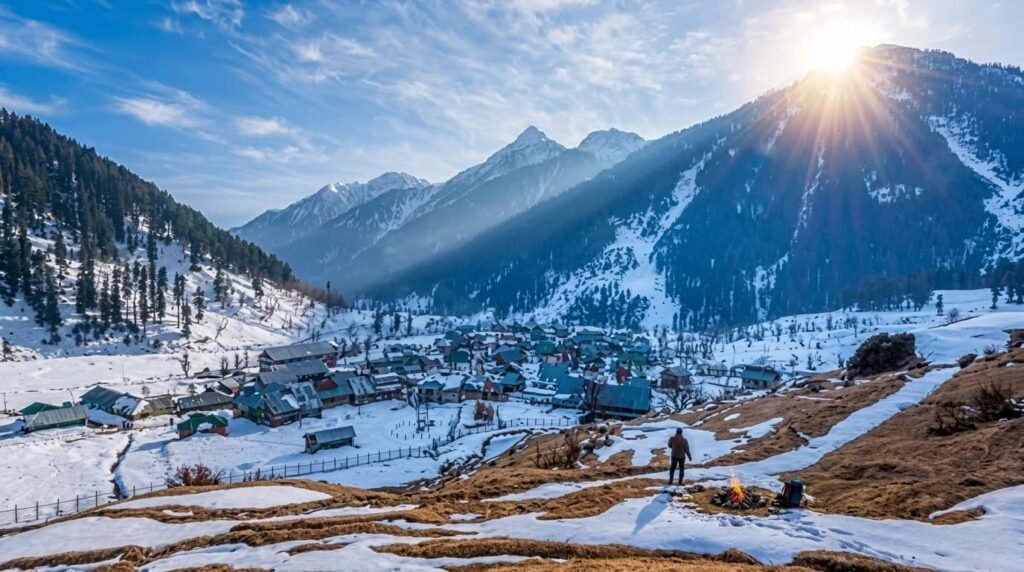
Meghalaya in winter catches a lot of first-time visitors off guard. Shillong and the surrounding hills can drop to 10-15°C at night, and the wind makes it feel even colder. Days are pleasant and sunny, but evenings arrive fast and the temperature falls sharply after sunset.
Pack at least two warm layers, a wind-resistant jacket, and comfortable closed shoes. If you are visiting from South India or the coast, this cold will feel more intense than the numbers suggest.
Where to Stay for Maximum Comfort
Winter is the season where a good hotel genuinely elevates the entire trip. After a long cold day of sightseeing, coming back to a warm, well-appointed room with a view makes a real difference.
Ri Kynjai Resort on Umiam Lake is my top pick for winter in Meghalaya. The property has a quiet, unhurried atmosphere that matches the season perfectly, and watching morning mist rise off the lake from your room is something I still think about.
If you are spending time in Cherrapunji, Polo Orchid Resort is the most comfortable base I have stayed at in that area. The rooms are well-heated, the staff are attentive, and the surrounding views on a clear winter morning are genuinely hard to beat.
Summer & Spring (March to May): Balanced Weather
While the rest of India is melting under brutal heat in April and May, Meghalaya sits at a comfortable 20-25°C. That single fact alone makes this season worth serious consideration.
I have met so many travellers from Delhi, Mumbai, and Hyderabad who choose Meghalaya specifically in May just to escape the heat back home. It works. The weather here during these months feels like what the rest of India desperately wishes its summer felt like.
What the Season Actually Looks Like
March and April are dry, clear, and genuinely pleasant. The skies are mostly blue, visibility is excellent, and the roads are in great condition. Dawki still holds reasonable clarity in March, gradually becoming less transparent as April moves on and the first pre-monsoon clouds start building overhead.
By early May, something interesting starts happening. Pre-monsoon showers begin making brief appearances, and the landscape responds almost immediately. Waterfalls that were thin and quiet through February start gaining volume again. Nohkalikai Falls begins showing real movement. The hills start shifting from a dry, dusty green to something richer and deeper.
This is genuinely a sweet spot that most travel guides overlook. You get the early energy of the waterfall season without the road chaos, landslide risks, and continuous rain that defines July. It is the monsoon’s opening act, and it is surprisingly good.
3 Quick Reasons Budget Travellers Should Consider March to May
- Hotels and homestays are cheaper. The October-November and December-January peak seasons have passed, and tourist numbers are lower. You will find significantly better rates on the same properties.
- Crowds are thin. Popular viewpoints like Nohkalikai and the Dawki riverbank are far more relaxed. You can actually take your time without managing tour groups around you.
- The landscape is transitioning, which makes for interesting and varied photography. Dry clifftops, early waterfall flows, and bright wildflowers all exist within the same frame during May.
If your travel dates are flexible and your budget is a real consideration, March to early May deserves a much stronger look than it typically gets.
When NOT to Visit Meghalaya & The Reality Check
Let me be honest with you in a way that most travel blogs simply are not.
If you hate unpredictability, do not go in July or August.
I love the monsoon season in Meghalaya, but I also know it is not for everyone. There will be days where you are completely stuck at your hotel because a road has been blocked by a landslide overnight. There will be afternoons where the rain is so heavy that stepping outside is genuinely pointless. There will be viewpoints you drove an hour to reach that are completely hidden behind thick cloud cover.
If your trip is only 4-5 days long and every single day needs to deliver, July and August carry real risk of ruining that plan.
Peak June and peak July are the most unpredictable. Mid-August to September becomes slightly more manageable, but the risk never fully disappears.
How Seasons Affect Your Budget
This is where planning smartly can save you a serious amount of money.
Monsoon (June to September):
- Hotel rates drop by 30-40% compared to peak season
- Cab and taxi rates are negotiable and significantly lower
- Fewer tourists means better deals on local tours and guides
Autumn and Winter (October to February):
- This is peak season, and prices reflect that immediately
- Hotels near Ward’s Lake in Shillong fill up weeks before the Cherry Blossom Festival dates
- Cabs become harder to negotiate during December holidays
The November Cherry Blossom window specifically is the most expensive weekend of the year in Shillong. Book your stay at least 6-8 weeks in advance.
For real-time hotel pricing and availability across seasons, MakeMyTrip’s Meghalaya hotel listings give you a clear picture of how dramatically rates shift month to month.
Plan around your budget first. Then fit your expectations around the season.
The Final Verdict: How Many Days Do You Need?
After multiple trips across every season, my honest answer is 5 to 6 days is the sweet spot.
That gives you enough time to cover Shillong properly, make the drive down to Cherrapunji for the waterfalls and caves, and still spend a relaxed morning on the Umngot River at Dawki without feeling like you are sprinting through everything.
Anything less than 4 days and you will leave feeling like you only scratched the surface. Meghalaya rewards slow travel. The distances look short on a map, but the hill roads demand patience.
Your Season, Your Trip
- You want dramatic waterfalls and lush landscapes: Go between July and September
- You want that crystal-clear Dawki river experience: Go between October and February, with December to January being the absolute peak
- You want the Cherry Blossom Festival: Lock in 20-21 November 2026 right now
- You are travelling on a tight budget: March to May gives you the best value without sacrificing too much
Every type of traveller finds something real in Meghalaya. The state does not disappoint, it just requires you to show up in the right month.
The bags will not pack themselves. Pick your season, book your dates, and go before this place becomes even more crowded than it already is getting. Meghalaya is still raw and genuine in a way that very few destinations in India manage to hold onto. That will not last forever.
Frequently Asked Questions
Q1. What is the best time to visit Meghalaya for clear water at Dawki?
The Umngot River at Dawki is crystal clear from October to April. The absolute best months are December and January when water transparency is at its highest and boats appear to float in mid-air above the riverbed.
Q2. Is Meghalaya worth visiting during monsoon?
Yes, absolutely, but only if you are going specifically for waterfalls. Nohkalikai Falls and Seven Sisters Falls are at full power from June to September. However, Dawki river water is completely muddy during this period, and road travel can be slow and unpredictable.
Q3. When is the Shillong Cherry Blossom Festival in 2026?
The Shillong Cherry Blossom Festival 2026 is scheduled for 20th and 21st November 2026 at Ward’s Lake and the Polo Grounds in Shillong. Book accommodation at least 6-8 weeks in advance as hotels fill up very quickly around these dates.
Q4. How many days are enough for a Meghalaya trip?
5 to 6 days is the ideal duration to cover Shillong, Cherrapunji, and Dawki comfortably without rushing. Less than 4 days means you will miss significant parts of what makes Meghalaya special.
Q5. What is the best month to visit Meghalaya overall?
October and November are the best all-rounder months. The monsoon has cleared, roads are reliable, waterfalls still have decent flow, Dawki starts clearing up, and the Cherry Blossom Festival falls within this window in 2026.
Q6. Is Meghalaya cold in winter? What should I pack?
Yes. Temperatures in Shillong and surrounding areas drop to 10-15°C at night between December and February. Pack warm layers, a wind-resistant jacket, and closed shoes. Days are pleasant and sunny but evenings get cold very quickly after sunset.