Mandi, Himachal Pradesh is not a stopover. It is a destination on its own. With 81 ancient stone temples, a sacred high-altitude lake with a floating island, and hidden valleys that most tourists never find, the places to visit in Mandi Himachal Pradesh will surprise even seasoned travellers. Give it at least two days.
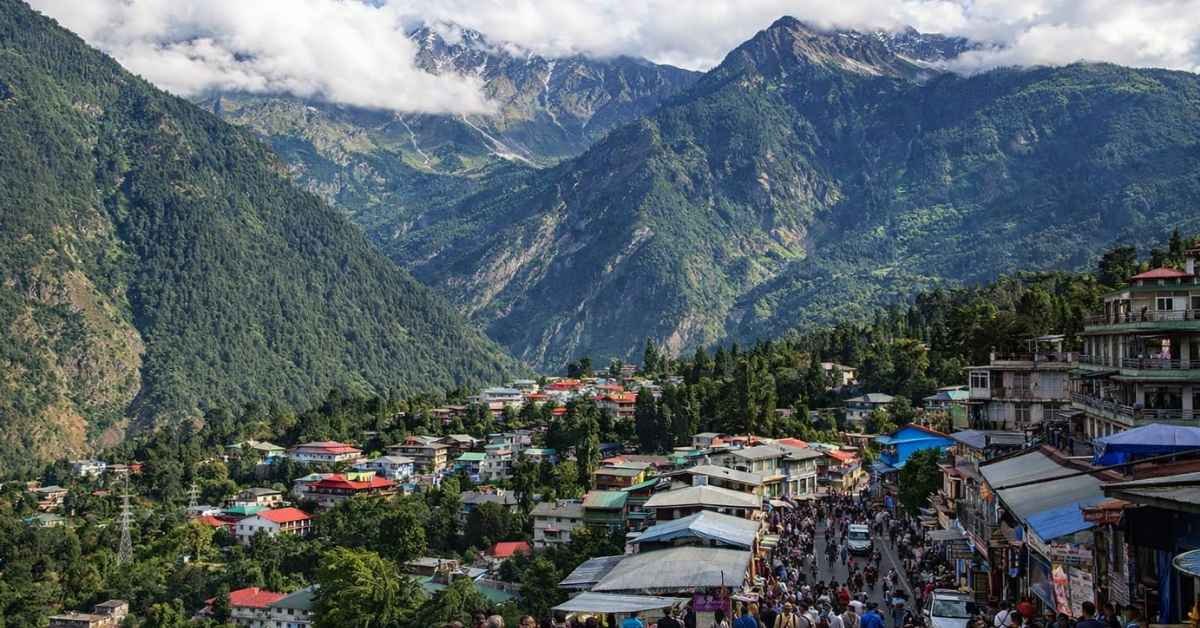
Mandi sits on the banks of the Beas River at around 850 metres above sea level. Locals call it “Chhoti Kashi,” which means the little Varanasi of the hills. That name is earned. The moment I walked into the town square near Ghantaghar, I counted four temple spires just from where I was standing. The air smells of incense, and the stone streets are older than anything most Indian hill stations can show you. Most people drive through Mandi on their way to Manali and miss everything. That is a mistake you should not make.
Bhootnath Temple
This is the heart of Mandi town. The Bhootnath Temple sits right in the middle of the market area and is dedicated to Lord Shiva. It was built in the 16th century and the stone carvings on the outer walls are genuinely worth stopping for. The annual Shivratri fair held here is one of the biggest in Himachal, drawing devotees and folk artists from across the region.
- Entry Fee: Free
- Best Time to Visit: Early morning or during Shivratri (February or March)
- Time Needed: 30 to 45 minutes
Triloknath Temple
A short walk from the riverside, the Triloknath Temple dates back to the 15th century. It is one of the older standing structures in Mandi town. The architecture uses a mix of shikhara style with local Pahari craftsmanship. I found it quieter than Bhootnath, which made it easier to appreciate the fine stone detailing on the pillars and the doorframe.
- Entry Fee: Free
- Best Time to Visit: Morning hours
- Time Needed: 20 to 30 minutes
Bhima Kali Temple
Perched with a clear view of the Beas River, the Bhima Kali Temple offers some of the most peaceful river views inside Mandi town. The structure blends traditional Himachali pagoda architecture with open-air corridors that frame the river beautifully. If you visit late afternoon, the light on the water is something I would not trade for anything.
- Entry Fee: Free
- Best Time to Visit: Late afternoon for river views
- Time Needed: 20 to 30 minutes
Mystical Lakes You Cannot Miss
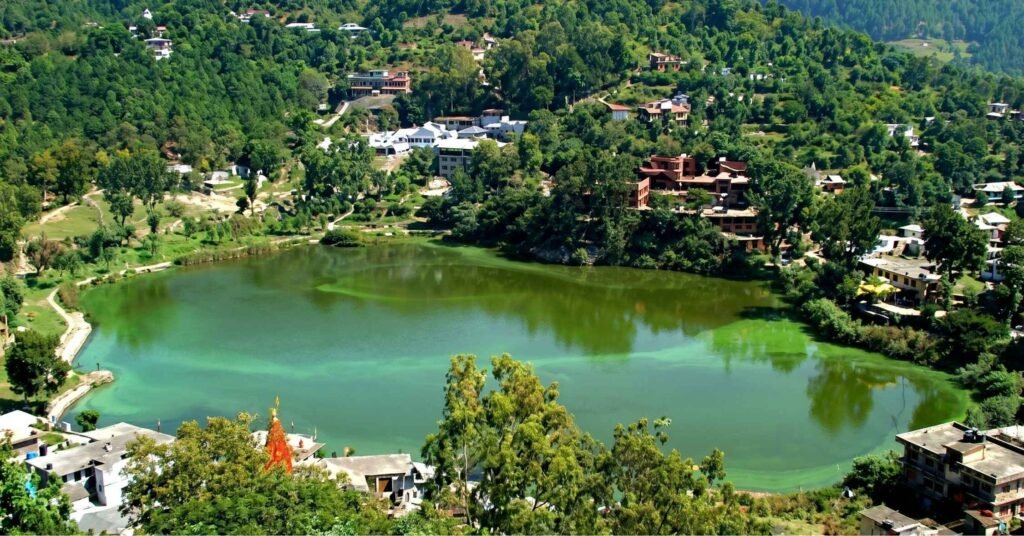
Mandi district holds two lakes that are completely different from each other in character, altitude, and religious weight. One sits high in the mountains with snow-capped peaks around it. The other sits in a valley town shared by three faiths. Both are unmissable.
Prashar Lake
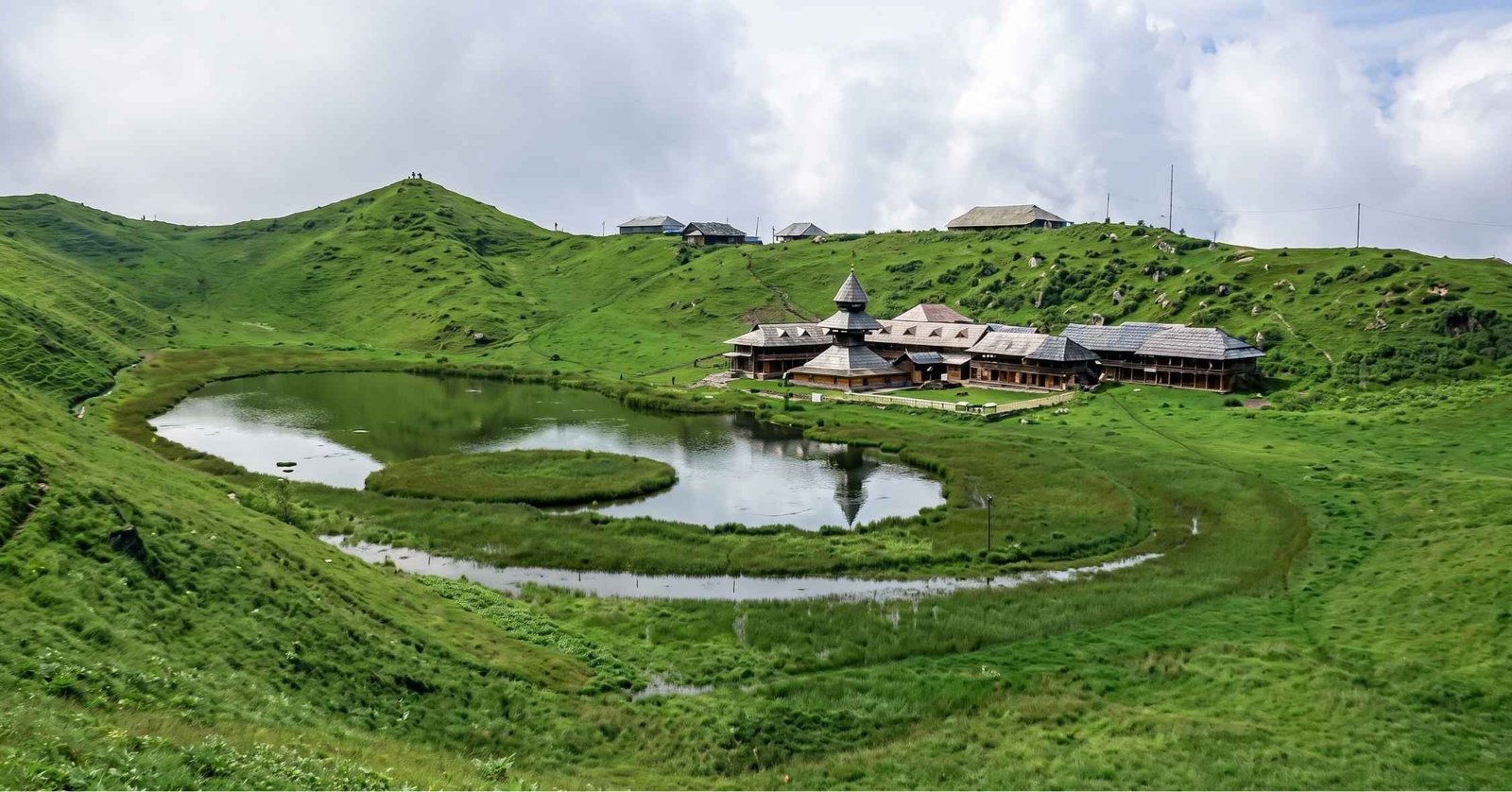
Prashar Lake is the one photograph that defines Mandi for most people who have actually explored the district. It sits at an altitude of 2,730 metres and what makes it genuinely strange and beautiful is the floating circular island that drifts on the lake surface. Nobody has fully explained why it moves. Scientists have studied it, locals have their legends, and the lake keeps its secret either way.
The three-tiered pagoda-style temple dedicated to Sage Prashar stands right beside the water. The craftsmanship on the wooden temple is old and intricate, and it feels completely out of place in the best possible way, like someone built a masterpiece at the top of the world and then left it there quietly.
When I drove up to Prashar Lake, the road from Mandi took me roughly 49 kilometres through hairpin bends and dense pine forests. The last stretch narrows considerably, so if you are driving yourself, take it slow. The distance from Mandi town is about 49 km and the drive takes around 2 to 2.5 hours depending on road conditions. There is also a trekking route for those who prefer going on foot. The Himachal Pradesh Tourism website has updated route and accommodation information for Prashar.
- Altitude: 2,730 metres
- Distance from Mandi: Approx 49 km
- Best Time to Visit: April to June and September to November
- Entry Fee: Free
- Time Needed: Half a day minimum, overnight stay recommended
Rewalsar Lake (Tso Pema)
Rewalsar Lake, also called Tso Pema, is one of those rare places in India where three major religions share the same sacred ground without conflict. Hindus, Sikhs, and Buddhists all consider this lake holy. There is a Sikh Gurudwara, Hindu temples, and Tibetan Buddhist monasteries all within walking distance of each other around the lakeshore.
The giant statue of Padmasambhava, the Buddhist saint who is said to have meditated here, towers over the entire lake. I stood at the base of it and genuinely felt small. The lake itself has reeds floating on it, and local tradition says these reed islands also move, similar to Prashar. The town around it is small, calm, and deeply devotional in its atmosphere.
- Altitude: Approximately 1,360 metres
- Distance from Mandi: Approx 25 km
- Best Time to Visit: Year-round, February for Buddhist festivals
- Entry Fee: Free
- Time Needed: 2 to 3 hours
Prashar Lake vs Rewalsar Lake: A Quick Comparison
| Feature | Prashar Lake | Rewalsar Lake (Tso Pema) |
| Altitude | 2,730 metres | 1,360 metres |
| Distance from Mandi | Approx 49 km | Approx 25 km |
| Vibe | Raw, high-altitude, adventure | Calm, spiritual, multi-faith |
| Religious Significance | Hindu (Sage Prashar) | Hindu, Sikh, Buddhist |
| Floating Island | Yes | Reed islands (seasonal) |
| Best For | Trekkers, photographers | Pilgrims, casual visitors |
| Overnight Stay | Highly recommended | Optional |
Nature, Valleys, and Scenic Stopovers
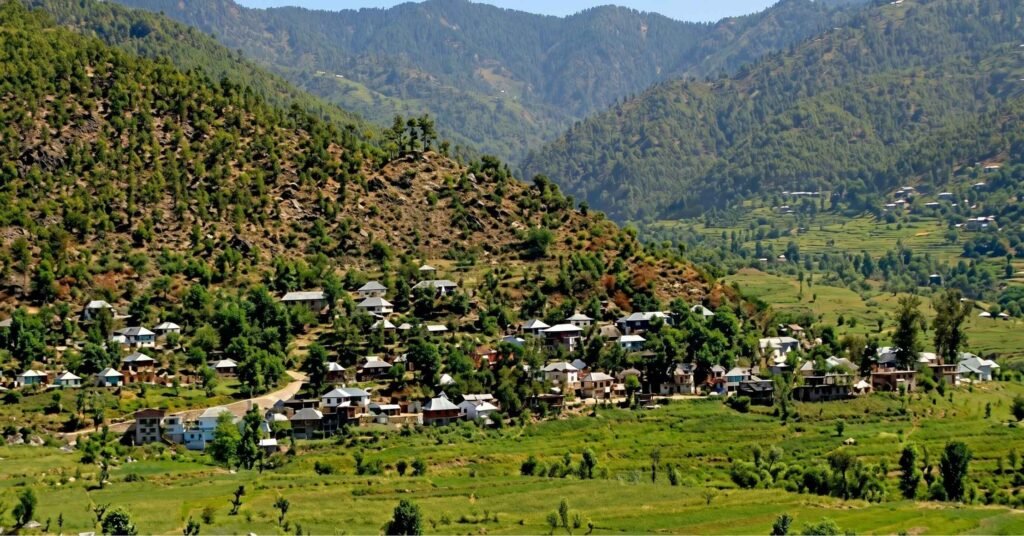
Beyond the temples and lakes, Mandi district opens up into river valleys, forested ridgelines, and dam viewpoints that most highway travellers never stop for. This section of the district rewards anyone willing to drive a little further or wake up a little earlier.
Barot Valley
Barot Valley sits about 65 kilometres from Mandi town and it carries a history that most visitors do not know. The valley was developed in the 1920s specifically for the Shanan Hydel Project, which means the infrastructure here is older than most Indian hill stations. The Uhl River runs through the valley floor and it is one of the best spots in Himachal Pradesh for trout fishing.
I noticed the trout in Barot the moment I leaned over the riverbank. The water is that clear. You can actually watch them move. Fishing here requires a permit, and the season and regulations change annually, so check the official Himachal Pradesh Fisheries Department before planning your trip around it.
The valley also has easy walking trails through dense deodar forests, a small market, and a handful of guesthouses if you want to stay overnight.
- Distance from Mandi: Approx 65 km
- Best Time to Visit: March to June for fishing, September to November for foliage
- Entry Fee: Free (fishing permit required separately)
- Time Needed: Full day or overnight stay
Pandoh Dam
Pandoh Dam is not a destination most people plan for, but almost everyone stops here instinctively. The dam sits right on National Highway 21, which is the main road from Mandi toward Kullu and Manali. It is an earth and rock-fill dam on the Beas River, and the view of the reservoir from the road is genuinely striking, especially in the morning when mist sits on the water.
I always stop here for ten minutes on my way through. There is a small roadside stall just before the dam viewpoint that makes decent chai. That cup of tea with the Beas spread out in front of you is one of those simple travel moments that costs nothing and stays with you.
- Distance from Mandi: Approx 18 km
- Best Time to Visit: Morning hours for photography
- Time Needed: 15 to 30 minutes stopover
Janjehli Valley
Janjehli is the name serious trekkers in Himachal know well but casual tourists rarely hear. The valley sits at around 2,150 metres and serves as a base camp for several moderate to difficult treks in the Mandi district, including trails toward Shikari Devi Temple and the Mandap Peak area.
The valley itself is a picture of untouched Himalayan forest. There are no big hotels here, no crowded viewpoints, and no tourist buses. What you get instead is thick forest cover, open meadows called bugyals, and the kind of quiet that city life forgets exists. For eco-tourism in Himachal Pradesh, Janjehli is one of the most underrated bases in the entire state.
My tip here is practical. The road to Janjehli from Mandi can get rough after rain. Always check local road conditions before you head out, and if possible, drive a vehicle with decent ground clearance.
- Distance from Mandi: Approx 65 km
- Best Time to Visit: April to June and September to October
- Entry Fee: Free
- Time Needed: Full day or overnight stay recommended
Not Sure Where To Go!
Let our Random Country Generator help you discover your next perfect destination.
Use Our Free ToolHistoric Forts and Unique Architecture
Mandi’s history did not stay inside its temples. It spread outward into mountain forts, hilltop shrines, and wooden architecture that tells you more about Himachali craftsmanship than any museum could. This section covers the places where history and structure meet in the most unexpected ways.
Shikari Devi Temple
Shikari Devi Temple sits at an altitude of 3,332 metres, making it one of the highest accessible temples in the Mandi district. What makes it genuinely fascinating is its architecture, or rather the absence of one key element. The temple has no roof. It is completely open to the sky, and yet local belief and repeated observation both point to the same strange fact: snow does not settle on the main idol, even during heavy winters when everything around it is buried white.
I have heard this explained as a geographical quirk and as a miracle depending on who you ask. What I know for certain is that the trek up to Shikari Devi through dense forest and open ridgelines is one of the finest half-day walks in the entire district.
- Altitude: 3,332 metres
- Best Time to Visit: April to June and September to November
- Entry Fee: Free
- Time Needed: Half day including trek
Kamlah Fort
Kamlah Fort does not get the attention it deserves. Built in the 17th century, the fort sits on a hilltop in a relatively remote part of Mandi district. It was once a strategic stronghold for the local rulers of the region and the views from its position over the surrounding valleys are exactly what you would expect from something built for surveillance and control.
Getting there requires some effort, which is probably why it stays off most tourist lists. That remoteness is also exactly why it is worth the visit if you are interested in Himachal’s pre-colonial history beyond the usual temple circuit.
- Best Time to Visit: March to November
- Entry Fee: Nominal or free
- Time Needed: 2 to 3 hours including travel
Kamakhya Devi Temple, Kao
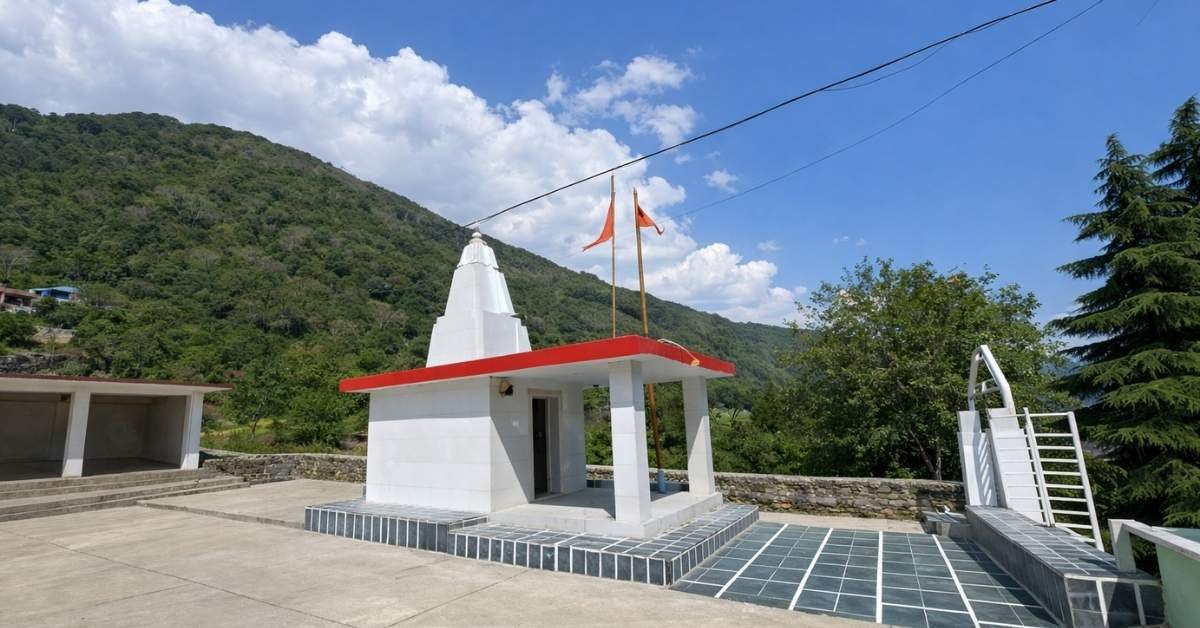
The Kamakhya Devi Temple in the Kao area of Mandi district is a quiet example of traditional Himachali wooden architecture at its most detailed. The wood carvings on the exterior panels, doorframes, and eaves show a level of craftsmanship that is becoming increasingly rare. Unlike the larger stone temples in Mandi town, this one feels deeply local and unhurried.
If you appreciate architectural detail and want to see a style of temple construction that is specific to the western Himalayas, this is a stop worth building into your itinerary.
- Best Time to Visit: Year-round
- Entry Fee: Free
- Time Needed: 30 to 45 minutes
Sunken Garden and Ghantaghar
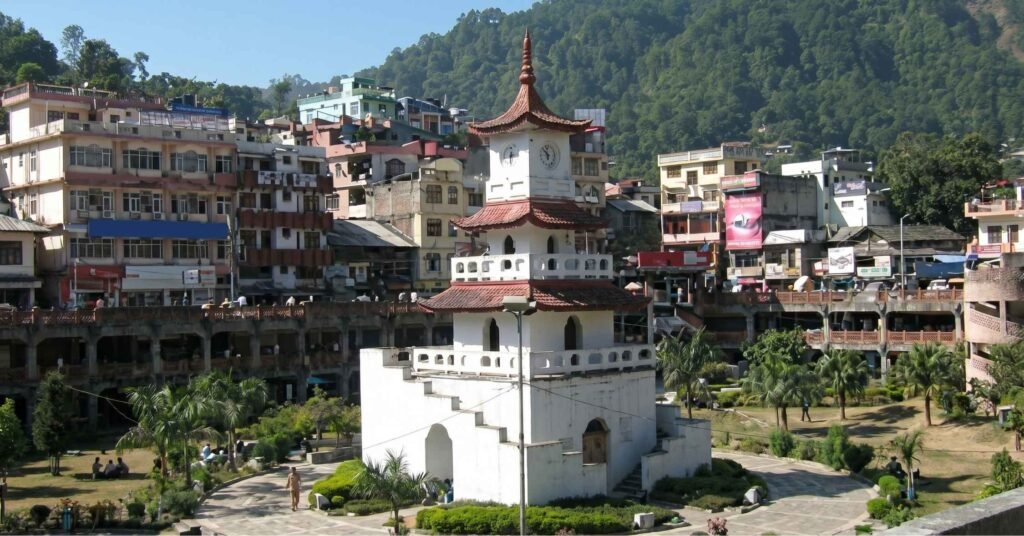
The Sunken Garden near Ghantaghar, the old clock tower at the center of Mandi town, is where the city exhales at the end of the day. It is a well-maintained public garden sitting slightly below road level, which gives it a sheltered and calm atmosphere even when the market streets around it are busy.
Evening strolls here are a local ritual. You will find families, students, and older residents all sharing the same benches and pathways. For a traveller, it is the best free window into everyday Mandi life. I spent an hour here on my first evening simply watching the town wind down, and it told me more about Mandi than any guidebook had.
- Entry Fee: Free
- Best Time to Visit: Evening, between 5 PM and 7 PM
- Time Needed: 45 minutes to 1 hour
How to Plan Your Mandi Trip (Logistics)
Getting to Mandi is straightforward from most parts of North India. It connects well by road, and there are rail and air options nearby that make it accessible even if you are not driving.
How to Reach Mandi
- By Air: The nearest airport is Bhuntar (Kullu-Manali Airport), approximately 60 km from Mandi town. From Bhuntar, taxis are readily available.
- By Train: Mandi does not have its own broad-gauge railway station. The nearest major railheads are Chandigarh (approx 200 km) and Pathankot (approx 220 km). From either station, buses and taxis run regularly to Mandi.
- By Road from Delhi: The most common route is Delhi to Chandigarh via NH44, then Chandigarh to Mandi via NH205 and NH21. Total distance is roughly 470 km and takes 9 to 10 hours by car.
- By Road from Chandigarh: Approximately 200 km via NH205, taking around 4 to 5 hours depending on traffic at Bilaspur and Sundernagar.
- By Bus: HRTC (Himachal Road Transport Corporation) runs regular Volvo and ordinary bus services from Delhi, Chandigarh, and Shimla to Mandi. You can check schedules and book tickets at the official HRTC portal.
Frequently Asked Questions
How many days are enough for Mandi?
Two full days cover the town temples, Rewalsar Lake, and Pandoh Dam comfortably. Add one more day if you plan to visit Prashar Lake or Barot Valley.
What is the best time to visit Mandi Himachal Pradesh?
March to June and September to November are the best months. Summers are pleasant and winters can block higher routes like Prashar Lake and Shikari Devi.
How far is Prashar Lake from Mandi?
Prashar Lake is approximately 49 km from Mandi town. The drive takes around 2 to 2.5 hours on winding mountain roads.
Is Mandi safe for family travel?
Yes. Mandi is one of the calmer and more accessible hill destinations in Himachal Pradesh. The town is well-connected, temples are family-friendly, and even Rewalsar Lake suits all age groups without any difficult terrain.
What are the hidden places in Mandi most tourists skip?
Janjehli Valley, Kamlah Fort, and Kamakhya Devi Temple in Kao are three spots that rarely appear on standard itineraries but are genuinely worth your time.
What are the best things to do in Mandi town in one day?
Start at Bhootnath Temple in the morning, walk to Triloknath and Bhima Kali Temple, visit the Sunken Garden at Ghantaghar by midday, and end with a drive to Pandoh Dam for sunset photography.
Final Words
Mandi deserves more than a fuel stop on the way to Manali. Every traveller who slows down here finds something the highways never show you, whether it is a roofless temple on a 3,332-metre ridge or a quiet evening beside a lake shared by three faiths.