Jaipur has over 10 waterfalls nearby. Most are seasonal and only flow from July to September. The best natural waterfall in Jaipur is Kho Nagoriyan (Jagatpura). For a year-round option, Smriti Van (Jaldhara) is open all months. Visit during peak monsoon for the best experience.
Most people think Rajasthan is only sand and heat. That is mostly true. But the Aravalli hills that wrap around Jaipur carry a monsoon secret.
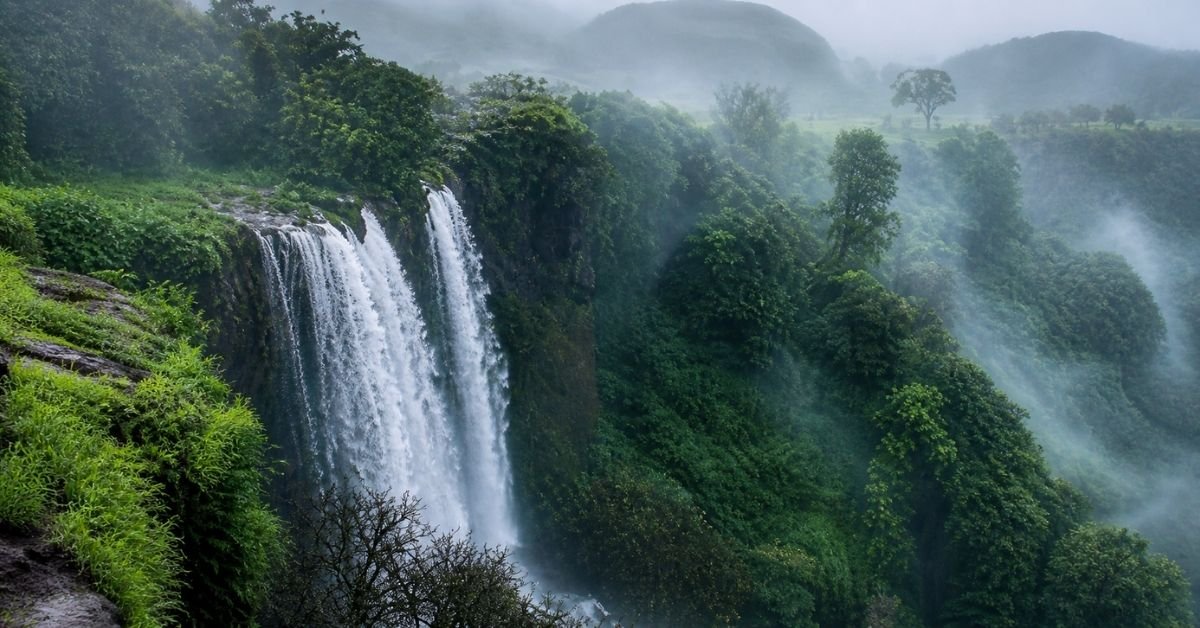
Every year, between July and September, rainwater fills the rocky valleys of these ancient hills. Hidden streams appear. Small but real waterfalls near Jaipur come alive for just a few weeks.
Two man-made falls inside the city stay active all year. So whether it is monsoon or not, you have options.
Top Waterfalls Inside Jaipur City
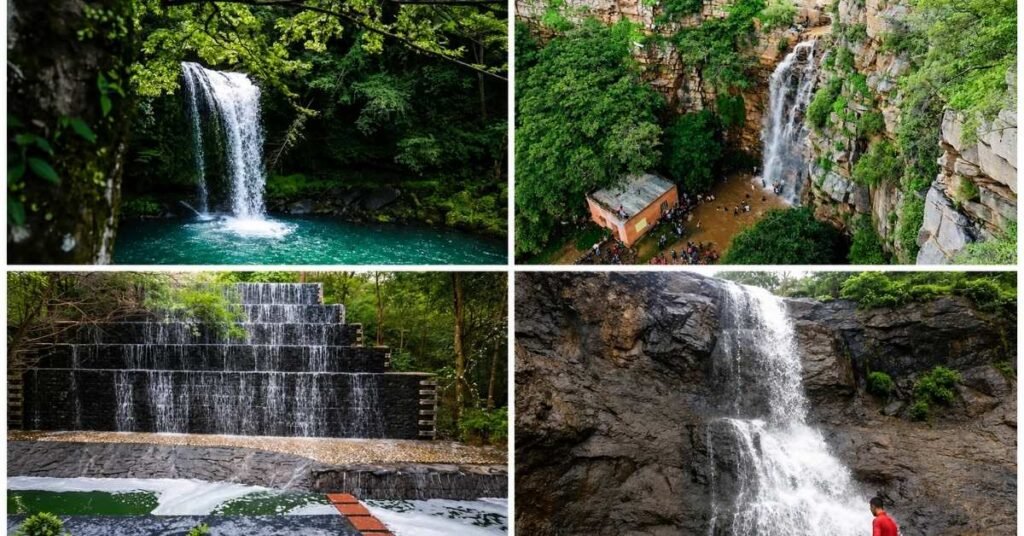
These are the waterfalls you can actually reach without leaving Jaipur. Some need a short trek. Some are perfect for families. Read each one carefully before you plan.
Kho Nagoriyan Waterfall (Jagatpura)
- Distance from City Center: 12 km (Ghat Ki Guni area)
- Type: Natural
- Best Time to Visit: July to September
- Entry Fee: Free
Kho Nagoriyan is the most talked about hidden waterfall in Jaipur. It forms naturally inside the rocky Ghat Ki Guni valley during monsoon rains. Local hikers love it because it feels completely wild and untouched. There are no ticket counters and no crowds early in the morning. Go before 9 AM for the best experience.
Hathni Kund Waterfall
- Distance from City Center: 14 km (near Nahargarh Wildlife Sanctuary)
- Type: Natural
- Best Time to Visit: July to September
- Entry Fee: Free
Hathni Kund is a real monsoon waterfall with a real warning attached to it. The cliffs here are steep and vertical. When it rains, the rocks become extremely slippery. There are no lifeguards present at this spot. If you go, wear proper grip shoes and never go alone. The view from the safe distance is genuinely stunning.
Smriti Van (Jaldhara Waterfall)
- Distance from City Center: 8 km
- Type: Artificial (Man-Made)
- Best Time to Visit: Open all year
- Entry Fee: Minimal (park entry applies)
Smriti Van is a beautifully designed city park that has a man-made waterfall called Jaldhara built inside it. This is not a natural fall. But it is clean, safe, and well-maintained. Families with small children visit here regularly because there is no trekking involved. It is one of the only waterfall experiences in Jaipur that works in every season, including peak summer.
Gadh Ganesh Waterfall
- Distance from City Center: 10 km (behind Gadh Ganesh Temple)
- Type: Natural
- Best Time to Visit: July to September
- Entry Fee: Free
Most visitors come to Gadh Ganesh Temple for prayers and leave without knowing there is a small waterfall hiding right behind it. During monsoon, rainwater cascades down the rocky hillside behind the temple complex. It is not a massive fall but it is peaceful and less crowded than other spots. Combine it with a temple visit for a complete morning outing.
Choolagiri Waterfall
- Distance from City Center: 18 km
- Type: Natural (Seasonal)
- Best Time to Visit: July to September
- Entry Fee: Free
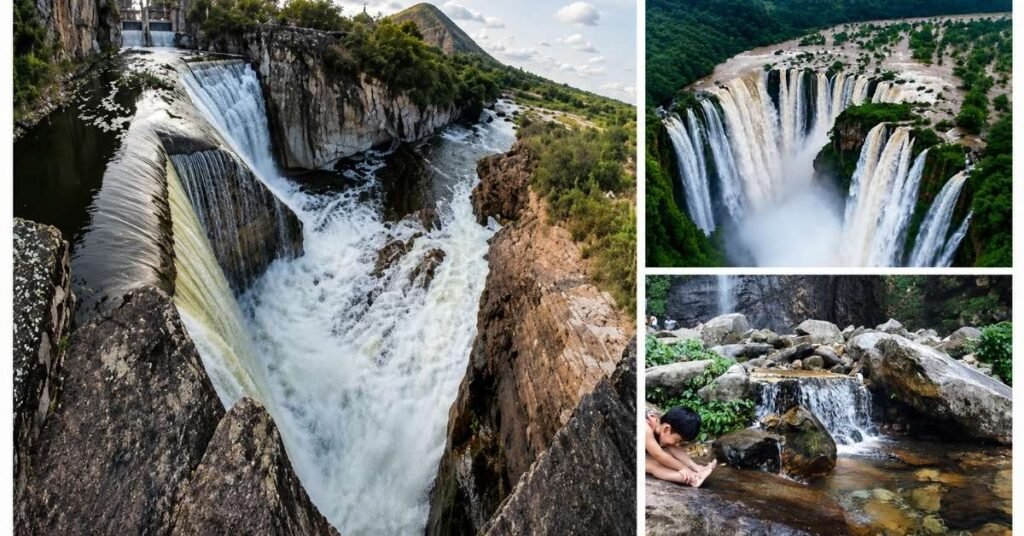
Choolagiri is a quiet monsoon cascade located near a Jain pilgrimage temple. The surrounding area turns completely green during the rains, which makes the short walk to the waterfall very pleasant. It is a calm spot, visited mostly by locals. Because it sits near a religious site, the atmosphere is respectful and peaceful. Avoid weekends if you want fewer people around.
Sagar Lake Waterfall
- Distance from City Center: 11 km (near Amer Fort)
- Type: Natural (Seasonal overflow)
- Best Time to Visit: August to September (after heavy rains)
- Entry Fee: Free
Sagar Lake near Amer Fort overflows during heavy monsoon rainfall and creates a natural sheet of water that locals call a waterfall. It is not a dramatic fall but the setting with the Aravalli hills and the old fort in the background makes it genuinely beautiful. A short flat walk brings you close to the water. Visit Rajasthan Tourism for updated travel advisories before heading out during monsoon.
Jalprapat Waterfall
- Distance from City Center: Approx. 20-25 km (exact location still being mapped locally)
- Type: Natural (Seasonal)
- Best Time to Visit: July to September
Jalprapat is a newly discovered monsoon spot that local adventure groups have started talking about in the last two years. Verified information about exact entry points and facilities is still limited. If you plan to visit, connect with a local Jaipur trekking group first. Do not go based on random social media posts alone, as trail conditions change fast in monsoon.
Best Waterfalls Near Jaipur (Weekend Trips)
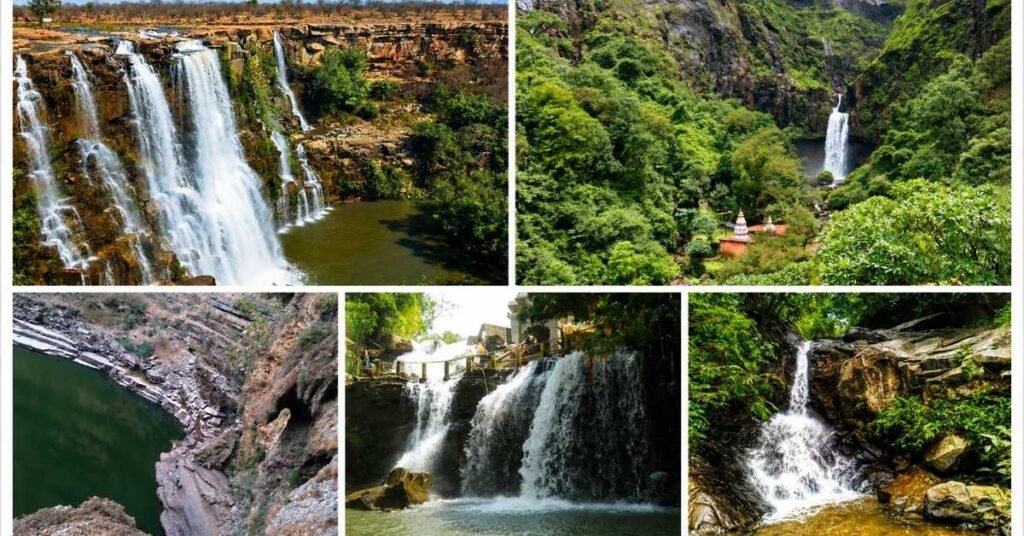
These waterfalls are not inside Jaipur city. They need a proper drive, ranging from 1 hour to 3 hours. Most are in Alwar, Bundi, Kota, or Dausa districts. Plan them as a full day or overnight trip. Combine each spot with a nearby fort, wildlife sanctuary, or temple for a complete weekend experience.
Garwaji Waterfall
| Detail | Info |
| Location/District | Alwar (near Sariska Tiger Reserve) |
| Distance from Jaipur | Approx. 150 km (2.5 hours by car) |
| Trekking Difficulty | Easy to Moderate |
Garwaji is one of the most beautiful natural pools near Jaipur. The waterfall drops into a clear rocky pool surrounded by dense forest. It sits inside the Sariska belt, so the green cover during monsoon is thick and lush. Combine this with a visit to Sariska Tiger Reserve or the ancient Bhangarh Fort nearby. A hired cab from Jaipur is the most comfortable way to reach here.
Parashar Waterfall
| Detail | Info |
| Location/District | Near Parashar Dham (Alwar area) |
| Distance from Jaipur | Approx. 160 km (2.5 to 3 hours by car) |
| Trekking Difficulty | Moderate |
Parashar Waterfall flows near the Parashar Dham religious site, making this trip both spiritual and scenic. The trail to the fall passes through rocky Aravalli terrain. Monsoon makes the path muddy, so proper footwear is essential. The natural beauty here is raw and largely untouched by commercial tourism. Start early from Jaipur to avoid driving back after dark on these roads.
Alewa Dham Waterfall
| Detail | Info |
| Location/District | Near Abhaneri, Dausa District |
| Distance from Jaipur | Approx. 95 km (1.5 hours by car) |
| Trekking Difficulty | Easy |
Alewa Dham is a spiritual site with a seasonal waterfall that appears during peak monsoon. The location near Abhaneri makes it easy to club with a visit to the famous Chand Baori stepwell, one of the largest and oldest stepwells in India. The waterfall itself is modest in size but the surrounding hills and temple atmosphere make the trip worthwhile. This is one of the closest weekend waterfall options outside Jaipur city.
Damoh Waterfall
| Detail | Info |
| Location/District | Near Dholpur/Jakah area |
| Distance from Jaipur | Approx. 280 km (4 hours by car) |
| Trekking Difficulty | Easy to Moderate |
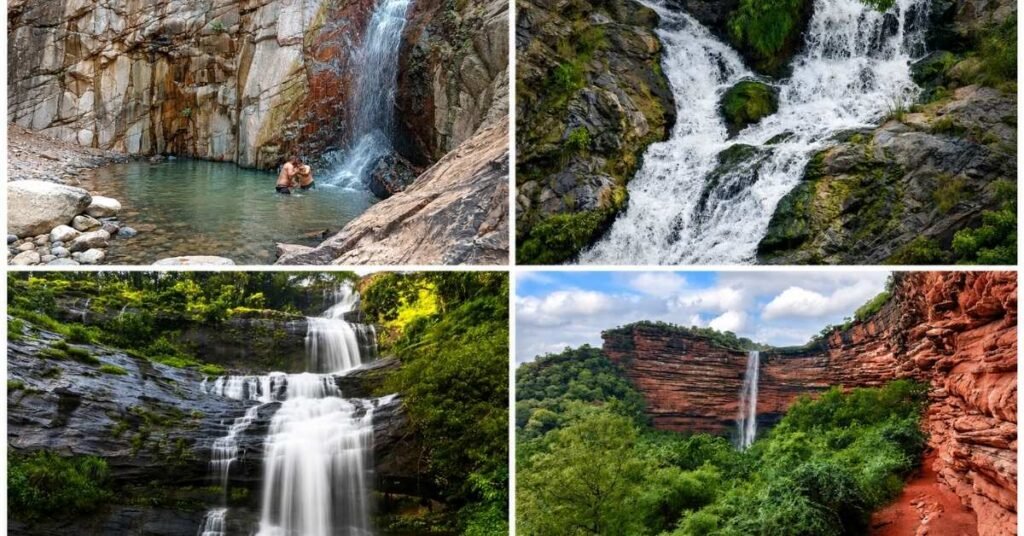
Damoh is one of the tallest waterfalls in this entire region, dropping nearly 300 feet during peak monsoon flow. The scale of this fall is genuinely impressive compared to most seasonal falls near Jaipur. It is a longer drive, so an overnight stay in Dholpur is recommended. The surrounding chambal ravine landscape looks completely different from anything you see inside Jaipur, making the drive itself interesting.
Bhimlat Waterfall
| Detail | Info |
| Location/District | Bundi District |
| Distance from Jaipur | Approx. 210 km (3 hours by car) |
| Trekking Difficulty | Easy |
Bhimlat is considered one of the grandest waterfalls in Rajasthan. The fall drops into a wide natural pool and the surrounding forest stays intensely green through the entire monsoon season. Bundi town itself is worth a separate visit for its painted havelis and step wells. Plan Bhimlat as part of a Bundi weekend trip rather than a single-day rush from Jaipur. The road to Bundi is well-maintained and comfortable for most vehicles.
Marleshwar Mahadev Waterfall
| Detail | Info |
| Location/District | Near Marleshwar Temple (Sawai Madhopur area) |
| Distance from Jaipur | Approx. 180 km (2.5 hours by car) |
| Trekking Difficulty | Moderate |
Marleshwar is a sacred Shiva temple that comes alive during Sawan (monsoon months). A seasonal waterfall flows right next to the temple complex during this period. Pilgrims and trekkers both visit here together, creating a very unique atmosphere. The forest trail leading to the temple is the highlight. Combine this trip with Ranthambore National Park, which is only a short distance away from this area.
Gaipernath Waterfall
| Detail | Info |
| Location/District | Kota District |
| Distance from Jaipur | Approx. 240 km (3.5 hours by car) |
| Trekking Difficulty | Easy |
Gaipernath is a well-known scenic waterfall near Kota city, flowing through a forested gorge. The nature walk to the waterfall is flat and manageable for most fitness levels. Kota is already a popular weekend destination from Jaipur, so this waterfall fits naturally into a Kota trip itinerary. Visit the Chambal Garden and Garadia Mahadev viewpoint on the same trip to make the long drive fully worthwhile.
Singhania Waterfall
| Detail | Info |
| Location/District | Near Jaipur outskirts (local area) |
| Distance from Jaipur | Approx. 40-50 km |
| Trekking Difficulty | Easy to Moderate |
Singhania is a local weekend favourite among Jaipur residents looking for a quick monsoon escape without a long drive. Verified infrastructure details like parking and facilities are currently limited. Connect with a local Jaipur trekking community before visiting to get accurate trail updates. Monsoon conditions can change access routes quickly at this spot.
Ramgarh Waterfall
| Detail | Info |
| Location/District | Ramgarh, Jaipur District |
| Distance from Jaipur | Approx. 35 km (45 minutes by car) |
| Trekking Difficulty | Easy |
Ramgarh is the closest weekend waterfall escape from Jaipur. During monsoon, the area around Ramgarh Lake turns lush green and small cascades form naturally along the hillside. The lake itself is a peaceful picnic spot. This is a great option for families or first-time visitors who want a taste of monsoon nature without a tiring long drive. Reach before noon to enjoy the full greenery before afternoon clouds roll in.
Not Sure Where To Go!
Let our Random Country Generator help you discover your next perfect destination.
Use Our Free ToolEssential Travel Tips for Jaipur Waterfalls
Natural waterfalls in Jaipur are beautiful but they carry real risks during monsoon. Read these before you go.
- Slippery rocks are the biggest danger. Wear shoes with strong grip. Sandals and flip flops cause most accidents at natural spots like Hathni Kund.
- Mobile network disappears in valleys. Download offline maps from Google Maps before leaving home. Tell someone your exact location before you trek.
- Carry your own drinking water. No shops or stalls exist near most natural waterfalls. Carry at least 1.5 litres per person.
- Never visit alone. Go in a group of at least three people.
- Avoid visiting after heavy overnight rain. Water levels rise fast and unpredictably in Aravalli valleys.
- Check the weather forecast the night before. Flash floods are a real risk in narrow gorges during peak monsoon.
Frequently Asked Questions
1. Is there any permanent waterfall in Jaipur that works all year?
Yes. Jaldhara inside Smriti Van is an artificial man-made waterfall that stays active throughout the year. It is safe, clean, and family friendly in every season.
2. Is Hathni Kund trek safe to visit?
It requires caution. The cliffs are steep and vertical. Rocks become extremely slippery during rain. No lifeguards are present. Only visit with experienced trekkers and avoid the edge completely.
3. Are these waterfalls free to visit?
Most natural waterfalls like Kho Nagoriyan, Hathni Kund, and Gadh Ganesh are completely free. Smriti Van charges a small park entry fee. Weekend spots like Bhimlat and Garwaji are also free to enter.
4. What is the best month to visit waterfalls near Jaipur?
August is the best month. Rainfall is consistent and waterfalls are at their fullest. Late July and early September are also good options.
5. Can I visit these spots with children?
Smriti Van and Ramgarh are safe for children. Avoid taking young children to Hathni Kund or Kho Nagoriyan due to uneven terrain and slippery surfaces.
6. Do I need a guide for these treks?
For Hathni Kund and Parashar, a local guide is strongly recommended. For easier spots like Sagar Lake and Gadh Ganesh, a guide is not necessary.
Jaipur surprises most visitors who expect only palaces and desert. Between July and September, the Aravalli hills genuinely transform. Pick Kho Nagoriyan for a free local adventure, Smriti Van for a year-round family outing, or Bhimlat for a grand weekend drive. The water is real, the greenery is real, and the experience is worth every muddy step.