Jharkhand’s top waterfalls are Hundru Falls (98 meters), Lodh Falls (the state’s highest), and Dassam Falls (44 meters). Each offers a dramatically different landscape, from rocky gorges to dense forest trails. The best time to visit waterfalls in Jharkhand is July to October, right after the monsoon fills them to their peak flow.
Jharkhand does not get the tourist spotlight it deserves. But anyone who has stood at the edge of Hundru Falls or climbed the 722 steps down to Jonha Falls knows exactly what this state is hiding.
The waterfalls in Jharkhand are spread across tribal heartlands, thick sal forests, and ancient river valleys. Some are easy day trips from Ranchi. Others demand effort, and they reward you for every step.
This guide covers 10 verified falls, with heights, distances, and everything you need to plan your trip.
Top 10 Cascading Wonders: A Complete Guide
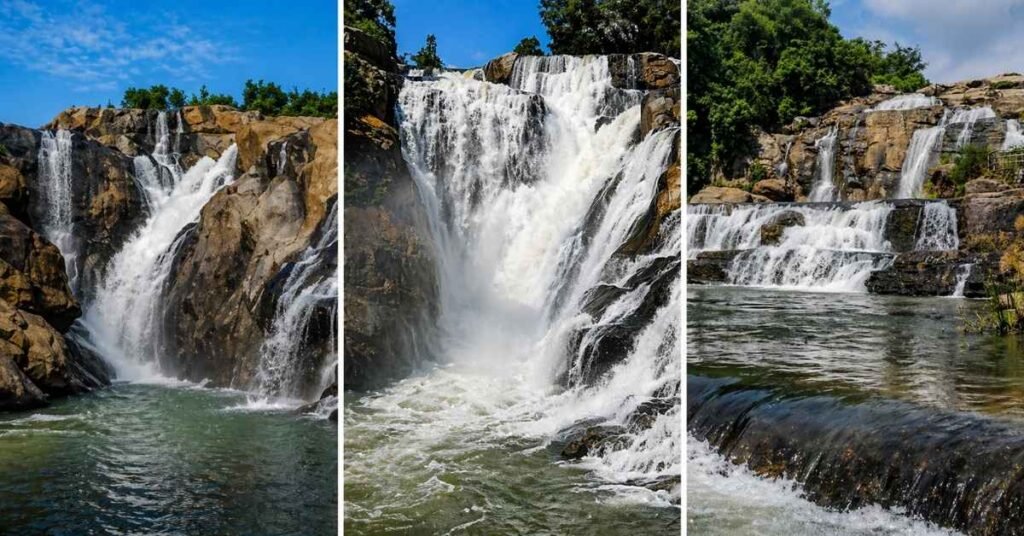
Hundru Falls
Hundru is where most people’s love for Jharkhand’s waterfalls begins. The Subarnarekha River drops 98 meters over a hard rocky ledge, creating a roar you hear before you see it. The base pool is wide, the mist is constant, and the surrounding landscape stays green for most of the year.
- Height: 98 meters (322 feet)
- River: Subarnarekha
- Location: Ranchi district, approximately 45 km from Ranchi city
- Best Activity: Swimming at the base pool, photography
Dassam Falls
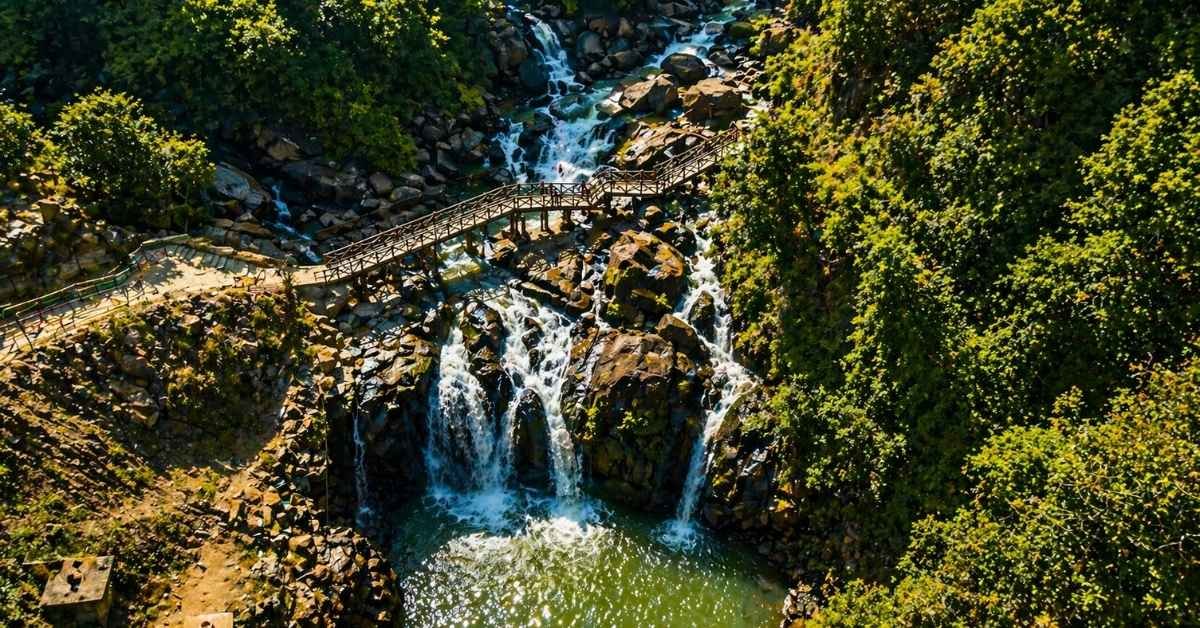
Dassam does not get as much attention as Hundru, but it arguably delivers a more complete experience. The Kanchi River splits into multiple threads before falling 44 meters over a wide rock face. The village of Taimara sits close by, making the entire area feel lived-in and authentic rather than touristy.
- Height: 44 meters
- River: Kanchi
- Location: Near Taimara village, approximately 40 km from Ranchi
- Best Activity: Picnic, riverside walks, family visits
Jonha Falls
Jonha Falls carries two identities. Locally it is called Gautamdhara, a name rooted in Buddhist history tied to Gautam Buddha. The Raru River powers the fall from 43 meters above. What makes Jonha genuinely different is access: you climb down 722 steps to reach the base, and every step feels earned once you see the cascade up close.
- Height: 43 meters
- River: Raru
- Location: Jonha village, approximately 40 km from Ranchi
- Best Activity: Trekking down the steps, cultural exploration
All three falls are accessible from Ranchi and can be combined into a two-day circuit. Hundru and Dassam are often paired together since their distances from the city are similar. Jonha works best as a standalone visit if you want time to absorb the steps and the history without rushing.
Lodh Falls
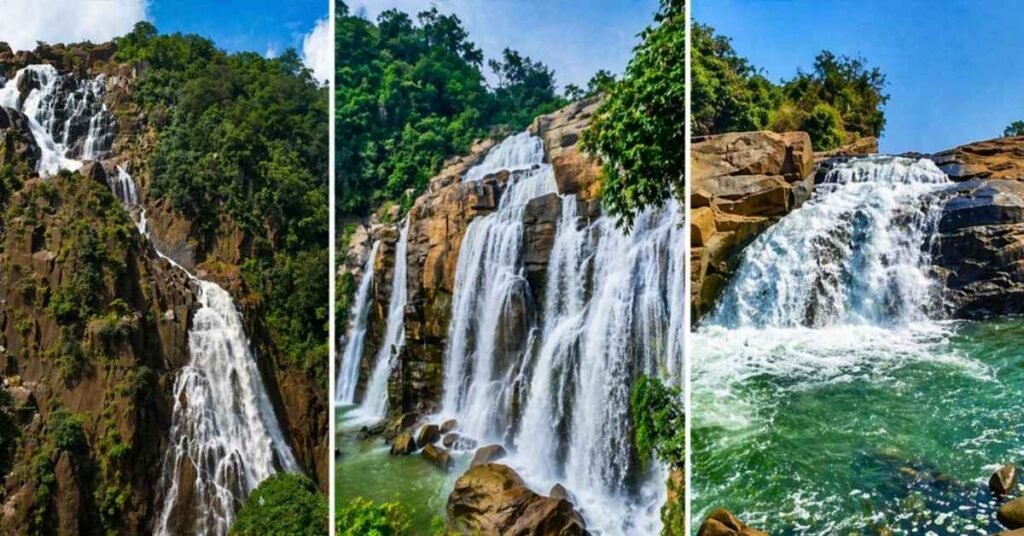
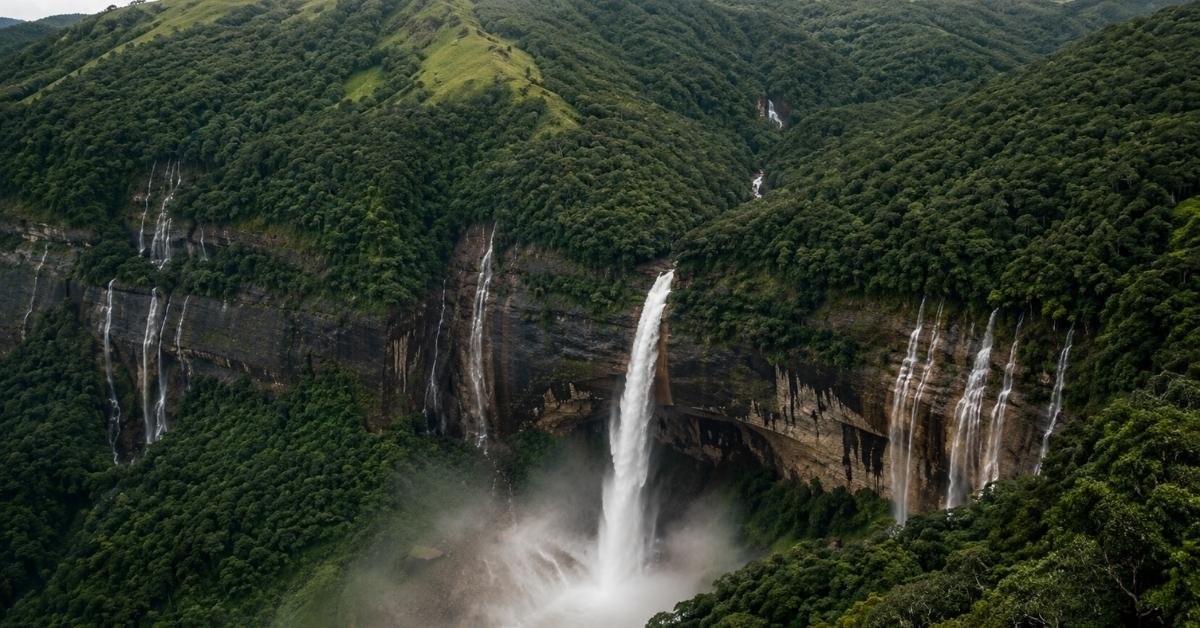
Lodh Falls holds the title of the highest waterfall in Jharkhand, and the Latehar district landscape around it matches that scale. Dense forests surround the drop on all sides. The trail to reach it is part of the experience, cutting through one of the least commercialized corners of the state. This is for those who want raw, untouched nature.
- Height: Highest waterfall in Jharkhand
- River/Forest: Burha River, surrounded by thick forest cover
- Location: Latehar district, approximately 170 km from Ranchi
- Vibe: Remote, adventurous, best for serious nature lovers
Hirni Falls
Hirni Falls sits inside a landscape that most waterfalls simply do not have around them. Thick sapwood forests press in from every direction, keeping the area cool and shaded even in warmer months. The fall itself drops 37 meters into a quiet pool below. West Singhbhum sees fewer tourist crowds, which makes Hirni one of the more peaceful stops on any Jharkhand itinerary.
- Height: 37 meters
- River/Forest: Surrounded by dense sapwood forests
- Location: West Singhbhum district
- Vibe: Quiet, forested, great for solo travellers and couples
Usri Falls
Usri Falls breaks the single-stream pattern. The water splits into three separate streams before dropping 40 feet into the rocks below, creating a wide, layered curtain of water rather than one concentrated plunge. Giridih district is better known for Parasnath Hill, but Usri gives visitors a strong reason to extend their stay and explore further.
- Height: 40 feet drop across 3 streams
- River/Forest: Usri River
- Location: Giridih district
- Vibe: Unique multi-stream layout, ideal for photography and picnics
These three falls spread across very different parts of Jharkhand. Lodh demands travel time but pays back with scale. Hirni rewards patience with solitude. Usri surprises you with its unusual three-stream structure. Together, they show just how varied the waterfalls in Jharkhand actually are.
Bhatinda Falls
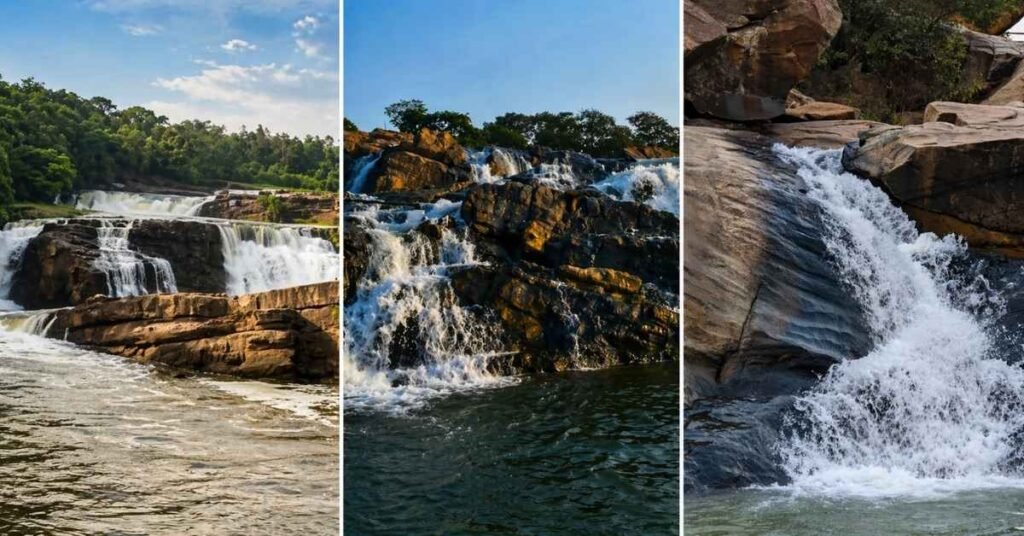
Bhatinda Falls is one of the more geologically interesting stops in Jharkhand. The water crashes onto rocky ground below and over time has carved out three deep natural ponds at the base. These ponds are what set Bhatinda apart from most other falls in the state. Dhanbad district is primarily known for coal country, but Bhatinda gives it a completely different identity.
- Height: Not officially recorded
- Unique Feature: Forms 3 deep natural ponds at the base
- Location: Dhanbad district
- Vibe: Offbeat, geological curiosity, great for explorers
Rajrappa Falls
Rajrappa is the only waterfall on this list where nature and faith meet at the same point. The water drops 20 feet at the exact junction where the Damodar and Bhera rivers merge. The Chhinnamasta Temple on the riverbank draws pilgrims throughout the year, making Rajrappa both a natural and spiritual destination. Many visitors come for the temple and stay for the river views.
- Height: 20 feet
- River: Junction of Damodar and Bhera rivers
- Location: Ramgarh district
- Vibe: Spiritual, scenic, suitable for all age groups
Sita Falls
Sita Falls does not chase drama. At 43.89 meters, it drops cleanly through a forested corridor near the Ramgarh and Ranchi boundary, offering exactly the kind of quiet that busy travellers look for. The surrounding greenery stays thick through most of the year. Families and couples treat it as a half-day escape rather than a full trek, and that is precisely what it delivers well.
- Height: 43.89 meters
- River/Area: Ramgarh/Ranchi boundary area
- Location: Near Ranchi, easily accessible
- Vibe: Calm, peaceful, perfect for a relaxed half-day visit
Panchghagh Falls
The name says it all. Panch means five, and Ghagh means stream. The Banai River splits into five parallel streams before falling together in a wide, fan-shaped curtain of water. Khunti district does not see heavy tourist traffic, which works in Panchghagh’s favour. The five-stream spread makes it one of the most visually distinctive waterfalls in Jharkhand, especially right after monsoon season ends.
- Height: Not officially recorded
- River: Banai River (5 parallel streams)
- Location: Khunti district
- Vibe: Visually unique, uncrowded, best post-monsoon
With all ten waterfalls covered, the range becomes clear. Rajrappa brings spiritual depth. Panchghagh delivers visual variety. Bhatinda surprises with its pond formations. Sita offers calm without effort. Jharkhand’s waterfall circuit has something specific for every kind of traveller.
Essential Travel Tips for Waterfall Chaser
- Avoid stepping on wet rocks near the base of any fall. Monsoon-season moss makes them dangerously slippery, and most sites do not have safety railings.
- Wear proper trekking shoes with grip. Sandals and slip-ons are a bad idea, especially at Jonha Falls where you are navigating 722 uneven steps.
- Carry your own drinking water and snacks. Vendors are sparse or absent near falls like Lodh and Hirni, which sit in remote forest zones.
- Visit between July and October for peak flow, but go early in the day. Crowds build up fast at popular spots like Hundru and Dassam by late morning.
- Keep your phone and camera in a waterproof pouch. Mist from high falls like Hundru reaches surprisingly far and can damage electronics quickly.
Not Sure Where To Go!
Let our Random Country Generator help you discover your next perfect destination.
Use Our Free ToolHow to Reach the Major Hubs
Birsa Munda Airport in Ranchi connects the state to major Indian cities including Delhi, Mumbai, and Kolkata. Ranchi Railway Station serves as the primary ground transit point, with direct trains from most metros. From Ranchi, the majority of waterfalls are reachable by road within one to three hours. For updated entry timings and route information, check the Jharkhand Tourism Official website before planning your trip.
Wrapping Up Your Nature Trail
Jharkhand’s waterfalls are not a single experience. They are ten different moods, ten different landscapes, and ten very good reasons to pack a bag. From the roaring height of Hundru to the quiet five-stream spread of Panchghagh, every stop on this list earns its place. The state is ready for explorers who look beyond the obvious.
Which of these ten waterfalls are you planning to visit first?
Frequently Asked Questions About Waterfalls in Jharkhand
Which is the highest waterfall in Jharkhand?
Lodh Falls in Latehar district is the highest waterfall in Jharkhand. It is surrounded by dense forests and is considered one of the most remote and untouched natural sites in the state.
Which is the most visited waterfall in Jharkhand?
Hundru Falls is the most visited waterfall in Jharkhand. Located around 45 km from Ranchi on the Subarnarekha River, it drops 98 meters and is easily accessible, making it the go-to choice for first-time visitors.
What is the best time to visit waterfalls in Jharkhand?
July to October is the best time to visit waterfalls in Jharkhand. Monsoon and post-monsoon rainfall fills the rivers completely, pushing every waterfall to its maximum flow and visual impact.
Which waterfall in Jharkhand is best for families?
Rajrappa Falls in Ramgarh district is ideal for families. The 20-foot drop at the confluence of the Damodar and Bhera rivers is gentle, and the nearby Chhinnamasta Temple adds a cultural and spiritual dimension to the visit.
How many waterfalls are there in Jharkhand worth visiting?
Jharkhand has over a dozen notable waterfalls. The ten most worthwhile are Hundru, Dassam, Jonha, Lodh, Hirni, Usri, Bhatinda, Rajrappa, Sita, and Panchghagh, each offering a distinct landscape and experience.
Is Jonha Falls safe to visit during monsoon season?
Jonha Falls can be visited during monsoon, but caution is necessary. The 722 steps leading to the base become slippery when wet. Wearing grip shoes and avoiding the route during heavy rainfall days is strongly advised.