Tso Kar Lake Ladakh: The Ultimate Guide to the “White Lake”
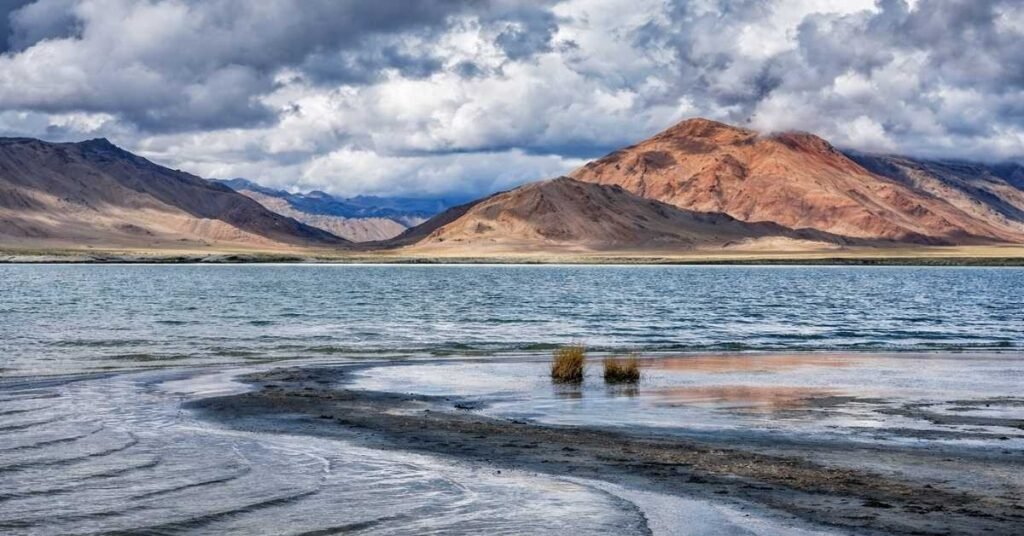
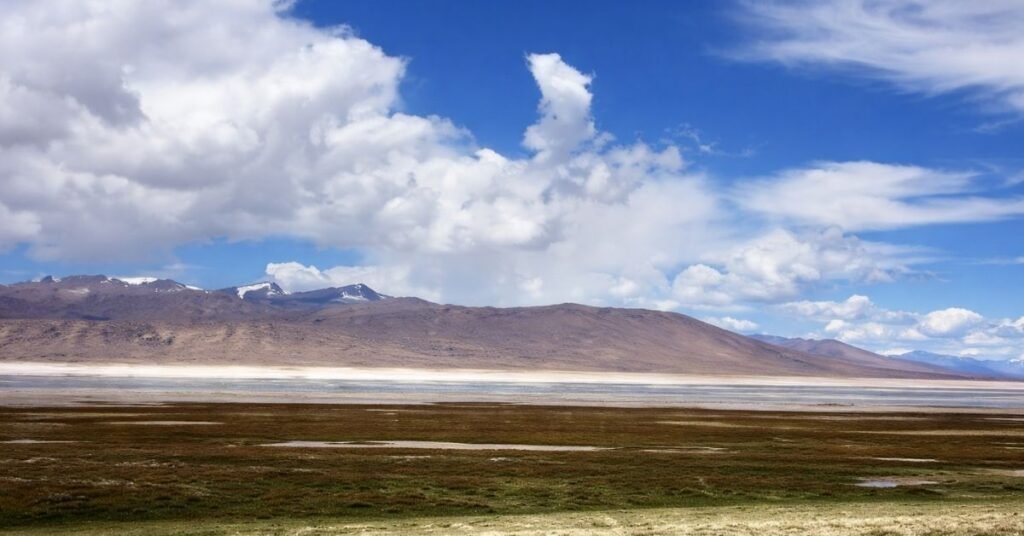
Imagine a lake so salty that it leaves a thick white crust all around its edges, looking just like snow! That is Tso Kar. In the local Ladakhi language, “Tso” means lake and “Kar” means white. Because of all the salt, people call it the “White Lake.”
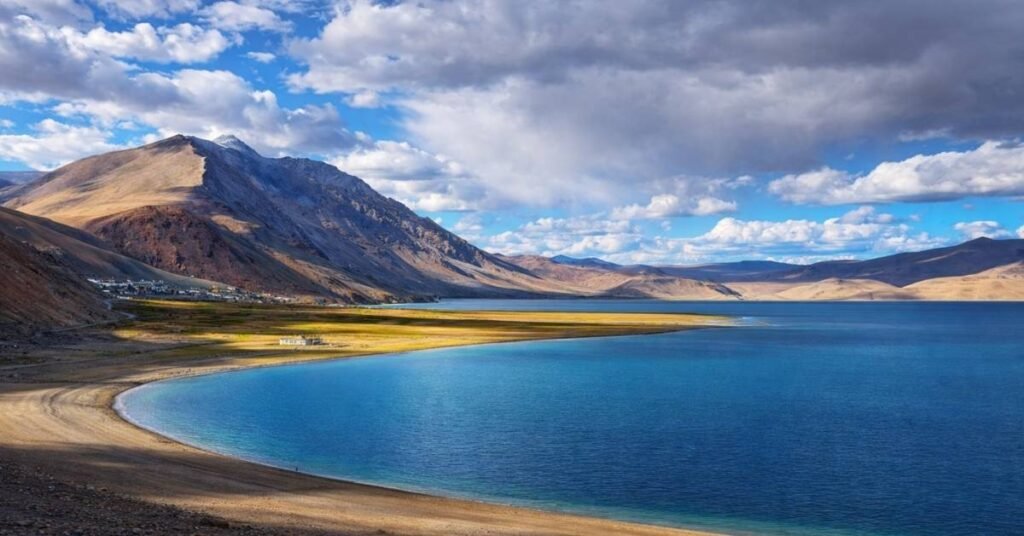
Tso Kar is located in a high-altitude desert called the Rupshu Valley, tucked away in the southern part of Ladakh. It sits at a height of about 14,800 feet—that is much higher than where most clouds float!
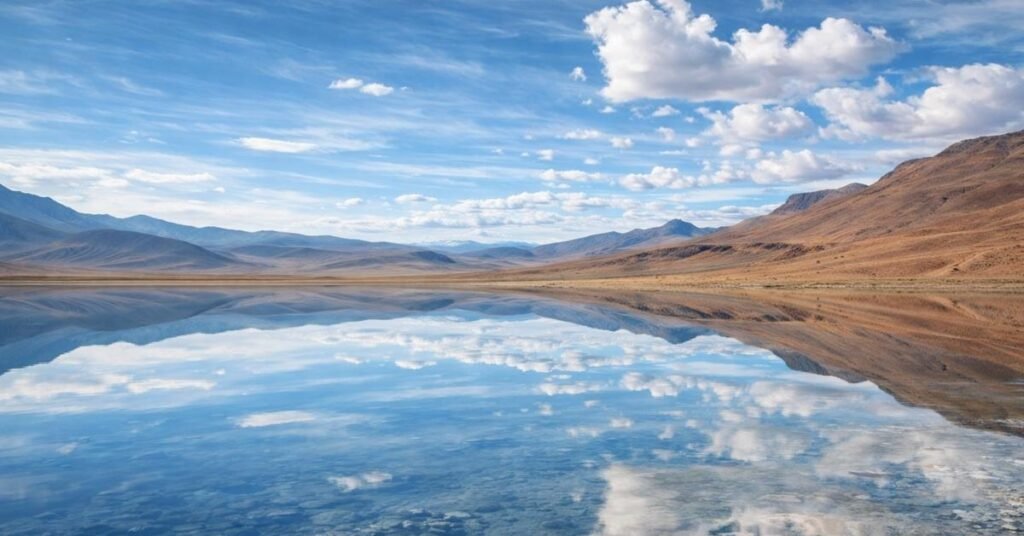
Unlike the famous Pangong Tso which is known for its bright blue water, Tso Kar is famous for its “ghostly” white shores and the amazing animals that live around it. It is actually part of a protected wetland, making it a very important home for rare birds and animals.
Why You Should Visit Tso Kar Lake
Tso Kar is not just another lake; it is a hidden treasure. If you love nature and hate crowded places, this is the perfect spot for you. Here is why it is a must-visit:
- A Paradise for Bird Watchers: This lake is like a giant playground for rare birds. The most famous one is the Black-necked Crane. These birds are very special and rare, and they come here to lay their eggs. You might also see Brahminy Ducks and Bar-headed Geese splashing in the water.
- The Amazing Salt Crust: Because the water is very salty, when it evaporates, it leaves behind white salt crystals. It looks like someone sprinkled magic white powder all over the ground! It is a great place for taking cool photos that look like you are on another planet.
- Peace and Quiet: Most tourists go to Pangong Lake, so it gets very noisy there. But Tso Kar is very quiet and peaceful. If you want to hear the sound of the wind and the calls of wild birds without any crowds, you will love it here.
- Wild Animal Sightings: It is one of the few places where you can see the Kiang. These are beautiful Tibetan wild asses that look like a mix between a horse and a donkey. They run very fast across the flat plains near the lake.
Best Time to Visit Tso Kar
Since Tso Kar is very high up in the mountains, the weather changes a lot. You can’t visit whenever you want because the snow often blocks the roads!
Here is a simple table to help you plan your trip:
| Season | Months | What to Expect |
| Summer | May to September | Best Time! The weather is pleasant, roads are open, and you can see plenty of birds and animals. |
| Autumn | October | It starts getting very cold. The birds begin to leave, and most guest houses start to close. |
| Winter | November to April | Very Harsh. Temperatures can drop to -30°C. The lake freezes, and snow often blocks the mountain passes. |
The “Golden Hours” for Photos
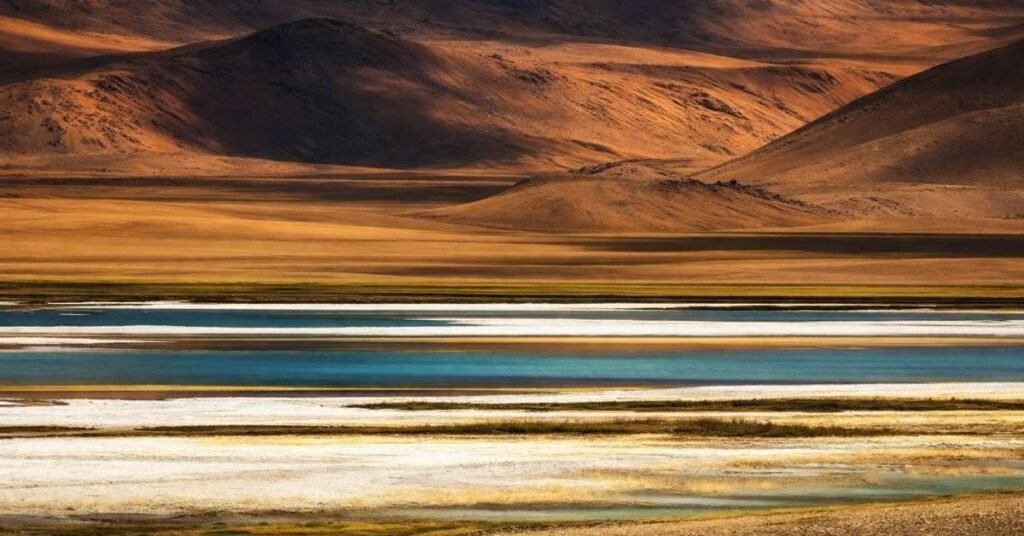
If you want to take the best photos, try to be at the lake during Sunrise or Sunset. The low sun makes the white salt crust glow and turns the surrounding mountains a beautiful orange color. Just remember, even in summer, it gets very windy and chilly as soon as the sun goes down!
How to Reach Tso Kar Lake
Getting to Tso Kar is an adventure! It is located about 160 kilometers away from Leh. There are three main ways travelers usually get here:
- From Leh (The Main Route): This is the most common way. You drive from Leh towards the Manali-Leh Highway. You will cross the famous Taglang La Pass, which is one of the highest motorable roads in the world! The drive takes about 4 to 5 hours.
- From Tso Moriri: If you are already visiting Tso Moriri lake, you don’t have to go back to Leh. There is a “back road” that connects Tso Moriri directly to Tso Kar. It’s a bumpy but beautiful ride through the desert.
- From Manali: If you are driving from Manali to Leh, Tso Kar is located just off the main highway. After you cross the flat, dusty “More Plains,” there is a small turn that leads you straight to the lake.
Travel Options
Most people hire a private taxi from Leh. If you are feeling brave, you can also go on a Royal Enfield bike trip. There are no regular public buses that go all the way to the lake shores, so having your own vehicle or a taxi is the best way to travel.
Important: Permits and Regulations
Because Tso Kar is very close to the international border, the government keeps a close eye on who visits. You cannot just show up; you need a special permission slip called a Permit.
Here is what you need to know for your 2026 trip:
- For Indian Tourists (Inner Line Permit – ILP): You need an ILP to visit the Tso Kar and Tso Moriri area. You can easily get this online at the official website (lahdclehpermit.in) or in person at the DC Office in Leh.
- For Foreign Tourists (Protected Area Permit – PAP): If you are not from India, you must get a PAP. You cannot apply for this alone; you must go through a registered travel agent in Leh, and you usually need a group of at least two people.
How much does it cost?
In 2026, the fees are generally as follows for Indian travelers:
- Environment Fee: ₹400 (one-time fee).
- Wildlife Fee: ₹20 per day.
- Red Cross Donation: ₹50 (this is optional, but it’s for a good cause!).
Pro Tip: Always carry at least 4 to 5 photocopies of your permit. There are police and army checkpoints on the way where you will have to hand over a copy. If you don’t have a copy, they might not let you pass!
Wildlife at Tso Kar: What to Look For
Tso Kar is like a giant, open-air zoo without any cages! Because it is a Ramsar Site (which means it is a very important protected wetland), many rare animals and birds call this place home.
If you bring a pair of binoculars, here is what you might spot:
The Famous Birds
- Black-necked Crane: These are the superstars of Tso Kar. They are tall, graceful birds with black necks and a bright red spot on their heads. They come all the way from other parts of Asia just to lay their eggs here in the summer.
- Bar-headed Geese: These are amazing flyers! They fly over the highest Himalayan mountains to get here. You can see them swimming in the fresher parts of the lake.
- Brahminy Ducks (Ruddy Shelduck): You can’t miss them—they are bright orange and usually seen in pairs.
The Wild Animals
- Kiang (Tibetan Wild Ass): These are the most common animals you will see. They look like very strong, reddish-brown horses. You will often see them running in groups across the flat plains.
- Himalayan Marmots: These look like giant, furry squirrels. They live in holes in the ground (burrows) and often stand up on their hind legs to whistle and warn their friends if they see you coming!
- Tibetan Wolf and Red Fox: If you are very lucky (and very quiet) early in the morning, you might see a wolf or a fox hunting near the grasslands.
Did You Know? The Kiang is the largest wild ass in the world, and Tso Kar is one of the best places in India to see them roaming free.
Where to Stay Near Tso Kar
Since Tso Kar is in a very remote area, you won’t find big, fancy hotels with swimming pools here. Instead, you get to experience the real mountain life!
Here are the two main ways to stay overnight:
Homestays in Thukje Village
About 3 kilometers away from the lake is a small settlement called Thukje Village. Many local families have opened their homes to travelers.
- What it’s like: You get a cozy room with lots of thick blankets and home-cooked Ladakhi food like Thukpa (noodle soup).
- Why choose this: It’s the best way to learn about the local culture and stay warm during the freezing nights.
Tented Camps
There are a few organized campsites located near the west bank of the lake, such as Lotus Camp or Thanckar Cottages.
- What it’s like: You stay in large, sturdy tents that have real beds and attached bathrooms inside.
- Why choose this: It’s perfect for people who want to feel closer to nature and see the stars right from their doorstep.
Important Things to Remember About Staying Here:
- No Shore Camping: You are not allowed to pitch your own tent right on the edge of the water. This is to protect the birds and keep the lake clean.
- Basic Facilities: Expect limited electricity (usually only for a few hours in the evening) and no luxury showers. Most places use solar power.
- The Cold: Even in summer, the temperature at night can drop to nearly 0°C. Always make sure your stay provides enough heavy quilts!
- Altitude Warning: Since the lake is very high up, some people find it hard to sleep. If you feel very dizzy or sick, it is better to drive back to a lower place like Leh.
Essential Travel Tips (Safety & Practical Advice)
Visiting a place as high and remote as Tso Kar requires a bit of planning. To make sure you have a fun and safe trip, keep these simple tips in mind:
Beware of Altitude Sickness (AMS)
Tso Kar is at 14,800 feet. At this height, the air is thin, and there is less oxygen. This can make you feel dizzy, give you a headache, or make you feel like throwing up. This is called AMS (Acute Mountain Sickness).
- The Golden Rule: Spend at least 2 or 3 days in Leh to let your body get used to the height before coming to Tso Kar.
- Stay Hydrated: Drink plenty of water, even if you aren’t thirsty.
- Medicine: Ask your doctor about a medicine called Acetazolamide (often called Diamox) before you travel.
What to Pack
The weather here is very “moody.” It can be hot under the sun but freezing in the shade!
- Layer Up: Bring a heavy jacket, a sweater, and a windcheater.
- Sun Protection: The sun is very strong here. Wear a hat, sunglasses, and use sunblock so you don’t get a “Himalayan sunburn.”
- Cash is King: There are no ATMs at Tso Kar. Make sure you carry enough cash for your stay, food, and fuel.
Connectivity (Phones and Internet)
Don’t expect to post to Instagram while you are at the lake!
- Mobile Network: There is almost no mobile signal at Tso Kar. Sometimes a BSNL postpaid sim might work for a quick call, but do not count on it.
- Internet: Most homestays do not have Wi-Fi. It is best to tell your family that you will be “offline” for a day or two.
Extra Fuel
If you are driving your own car or bike, fill up your tank to the top in Leh or Karu. There are no petrol pumps at Tso Kar. The nearest one is very far away, so having a spare can of fuel is a very smart idea.
Places to Visit Near Tso Kar
Tso Kar is located in a very exciting part of Ladakh. If you have some extra time, there are a few amazing spots nearby that you shouldn’t miss:
- Puga Hot Springs (30 km away): This place feels like a science experiment! You will see steam rising from the ground and pools of bubbling mud. The water here is naturally hot and full of sulfur. Many people believe that taking a quick dip (or even just washing your hands) in these springs can help heal skin problems.
- More Plains: Right next to the Tso Kar area is a 40-kilometer stretch of road that is completely flat. In a land full of giant mountains, seeing such a long, straight road is a big surprise! It is a favorite spot for bikers to take “cool” photos.
- Thukje Gompa: This is a small, quiet monastery (temple) sitting on a hill. It overlooks the entire Tso Kar lake. If you climb up here, you get the best “bird’s eye view” of the white salt shores and the blue water.
- Startsapuk Tso: Did you know Tso Kar has a twin? Startsapuk Tso is a smaller, freshwater lake connected to Tso Kar. Because the water isn’t salty here, this is where you will find the most birds and green grass.
- Taglang La Pass: If you are coming from Leh, you will cross this mountain pass. At 17,480 feet, it is one of the highest roads in the world! Make sure to stop for a minute to see the colorful prayer flags waving in the wind.
Tso Kar FAQs
Planning a trip to such a remote place often leaves travellers with many questions. Here are the most common things people ask about Tso Kar:
Is Tso Kar a saltwater or freshwater lake?
It is actually both! The main part of Tso Kar is very salty, which is why you see the white crust. However, it is connected to a smaller lake called Startsapuk Tso, which is fresh water.
Can I see the Milky Way at Tso Kar?
Yes! Because there are no city lights and the air is very thin and clear, Tso Kar is one of the best places in India for stargazing. On a clear night, you can see the Milky Way galaxy with your naked eyes.
Is the road from Leh to Tso Kar in good condition?
For the most part, yes. The road is paved because it is part of the Manali-Leh Highway. However, the stretch near Taglang La Pass can sometimes have potholes or gravel due to melting snow.
How much time is enough to explore the lake?
Most people spend about 2 to 3 hours at the lake as a stopover. However, if you are a bird watcher or photographer, staying one night in Thukje Village is highly recommended.
Is it safe for kids and elderly people? It can be risky due to the very high altitude. If children or elderly family members have breathing issues or haven’t stayed at high altitudes before, it is better to visit Tso Kar as a quick day trip from Leh rather than staying overnight.
Conclusion
Tso Kar Lake is more than just a destination; it is a peaceful escape into the wild heart of Ladakh. While it might not have the bright blue colors of Pangong Tso, its “ghostly” white shores, rare wildlife, and absolute silence make it a special place that you will never forget.
If you are a nature lover, a photographer, or someone looking for a real adventure away from the crowds, Tso Kar belongs at the top of your Ladakh bucket list. Just remember to pack your warmest clothes, respect the local wildlife, and take your time to breathe in the crisp, mountain air.