Stakna Monastery: The Complete Guide to Ladakh’s Tiger’s Nose
If you are planning a trip to Ladakh, you probably have famous places like Thiksey and Hemis on your list. But there is a secret spot that many people drive right past without stopping. This place is called Stakna Monastery.
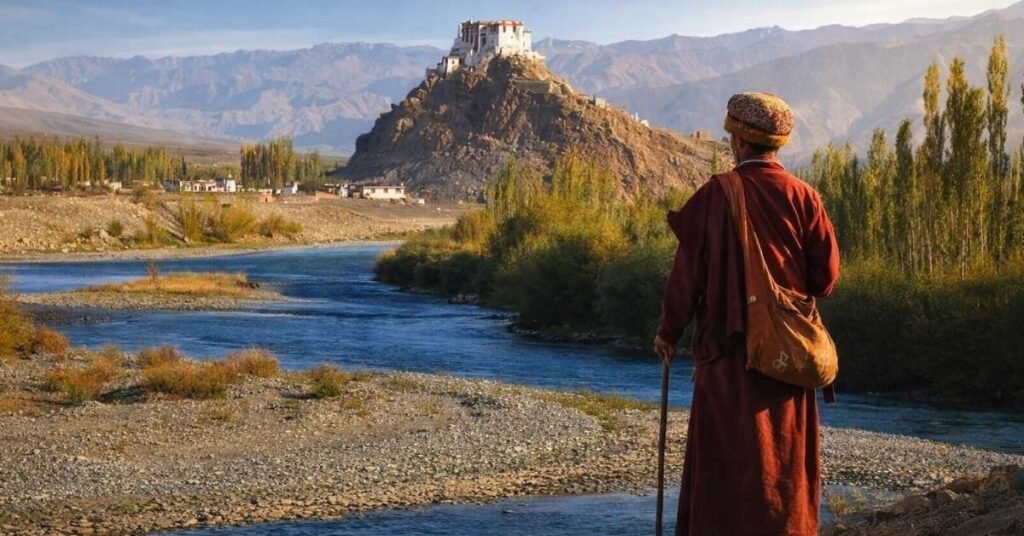
Stakna is special because it is not crowded. While other monasteries are full of tourists, Stakna is quiet and peaceful. The coolest thing about it is its shape. It sits on a big rock that looks exactly like a Tiger’s Nose poking out of the ground! In fact, that is exactly what “Stakna” means in the local language.
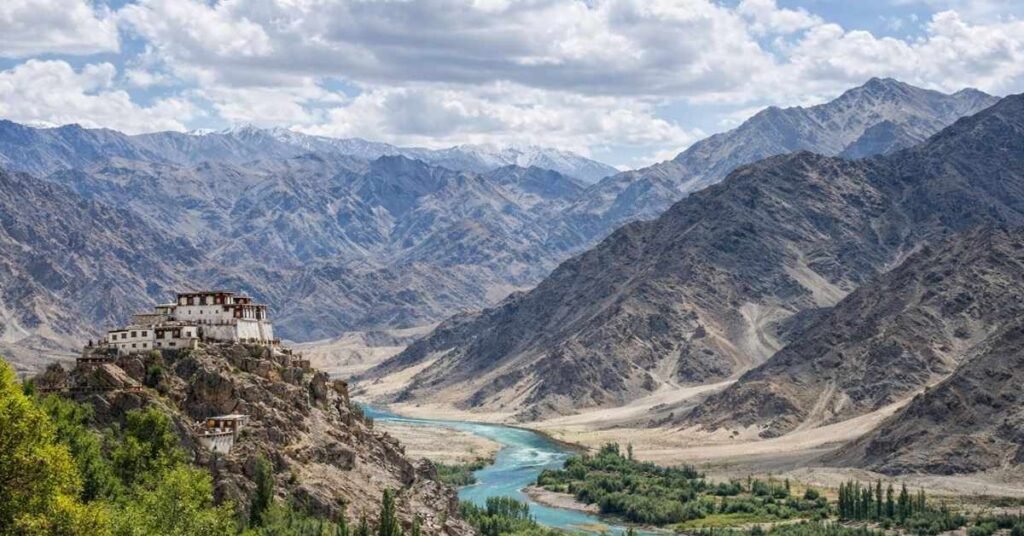
Located right on the banks of the Indus River, this monastery gives you some of the best views in all of Ladakh. It is a dream for photographers because the white building against the blue river looks like a painting. Whether you love history or just want a perfect photo for your travel memories, Stakna is a place you shouldn’t miss.
The Fascinating History: The Bhutanese Connection
To understand Stakna, we have to look back about 400 years. Most monasteries in Ladakh belong to local Tibetan groups, but Stakna is different. It is like a little piece of Bhutan right here in India.
It was started in the late 16th century by a great scholar named Chosje Jamyang Palkar. He came from Bhutan and belonged to the Drukpa Kagyu group. Even today, the head of this monastery is a person from Bhutan. This is why you might notice that the paintings and the way the monks live feel a bit different from other nearby places.
| Feature | Details |
| Founded In | Late 16th Century |
| Founder | Chosje Jamyang Palkar |
| Religious Group | Drukpa Kagyu (Bhutanese Tradition) |
| Main Symbol | The Tiger (Stak) |
Because of this unique history, Stakna has a very strong sense. The monks here have preserved ancient traditions for centuries, making it one of the most authentic religious sites you can visit in the Indus Valley.
The Meaning Behind the Name “Stakna”
Have you ever wondered why a monastery would be named after a tiger? In the local Ladakhi language, names often describe exactly what you see. The word “Stak” means tiger, and “Na” means nose.
When you stand at a distance and look at the huge rock where the monastery is built, it really does look like a tiger’s face. The monastery sits right on the tip, looking like the nose of a tiger that is resting by the river.
Local legends say that the founder chose this spot because the rock formation was a powerful sign. It wasn’t just a random hill; it was a place that showed strength and protection. This unique name makes it very easy to remember, especially for kids and families visiting the area!
Architecture: A Masterpiece on the Indus River
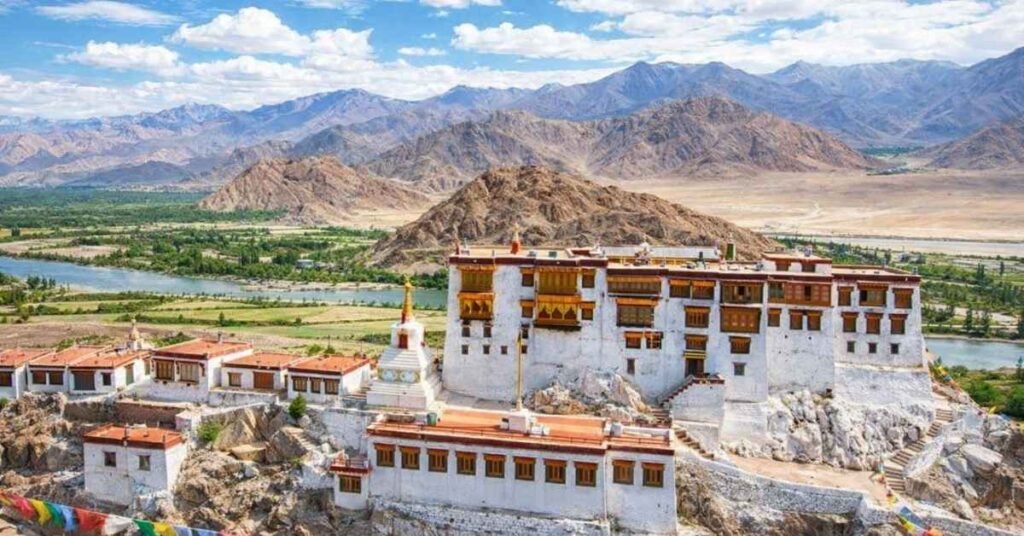
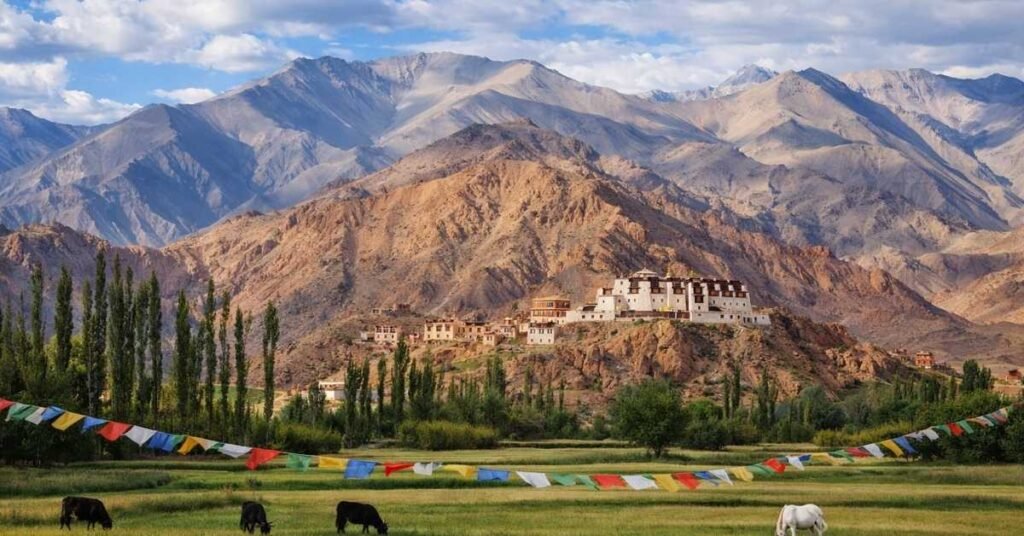
The way Stakna Monastery is built is truly amazing. Most monasteries in Ladakh are built on high mountains, but Stakna is built on a lonely hill right in the middle of a flat valley. Because it sits next to the Indus River, it looks like a white castle floating on the water.
The architecture is a mix of Ladakhi and Bhutanese styles. Here is what makes the building so special:
- The Colors: The walls are bright white, which makes the colorful Buddhist prayer flags (called Tarchen) stand out beautifully against the blue sky.
- The Layout: The monastery is built in layers. As you walk up the path, you pass through small doorways and courtyards that lead you higher and higher.
- The Windows: If you look closely at the windows, they have beautiful wooden carvings that are typical of the Drukpa style from Bhutan.
Because it is located on a small hill, the climb is not as steep as at Thiksey Monastery. This makes it a great spot for older people or anyone who finds climbing big stairs difficult. From every balcony, you can hear the sound of the river flowing below, which makes the whole building feel very calm.
What to See Inside Stakna Monastery
Once you walk through the main gates, you enter a world of bright colors and ancient treasures. Even though the monastery looks small from the outside, there is a lot to explore inside. It feels like walking through a living museum where history is still alive.
The Main Assembly Hall (Dukhang)
The first place most people visit is the Dukhang. This is the large hall where the monks gather to pray and meditate. As soon as you step inside, you will notice the peaceful atmosphere. The room is filled with low wooden benches for the monks, colorful silk banners hanging from the ceiling, and the gentle smell of burning incense and butter lamps. The walls are covered from top to bottom with beautiful paintings of Buddhist gods and stories that are hundreds of years old.
The Sacred Silver Stupa
The most important treasure in Stakna is the Silver Stupa. A stupa is a holy monument, and this one is extra special. It is about 7 feet tall and made almost entirely of shining silver! It was built in memory of the monastery’s founder. If you look closely, you will see it is decorated with precious green stones called turquoise. In Ladakhi culture, this stupa is considered a very powerful object of worship.
The Seven-Chapel Wing and The Rooftop View
As you continue your walk, you will find smaller rooms and balconies that offer even more to see. Every corner of this monastery has something that tells a story about the monks’ way of life.
The Seven-Chapel Wing
This part of the monastery has several small shrines (chapels) dedicated to different teachers and gods. One of the most famous statues here is of Arya Avalokitesvara, who represents the compassion of all Buddhas. The statues are made with incredible detail—some are made of clay, while others are plated in gold. This area shows the strong “EEAT” (Expertise and Trust) of the local craftsmen who have maintained these statues for centuries.
The Rooftop View (The “Wow” Factor)
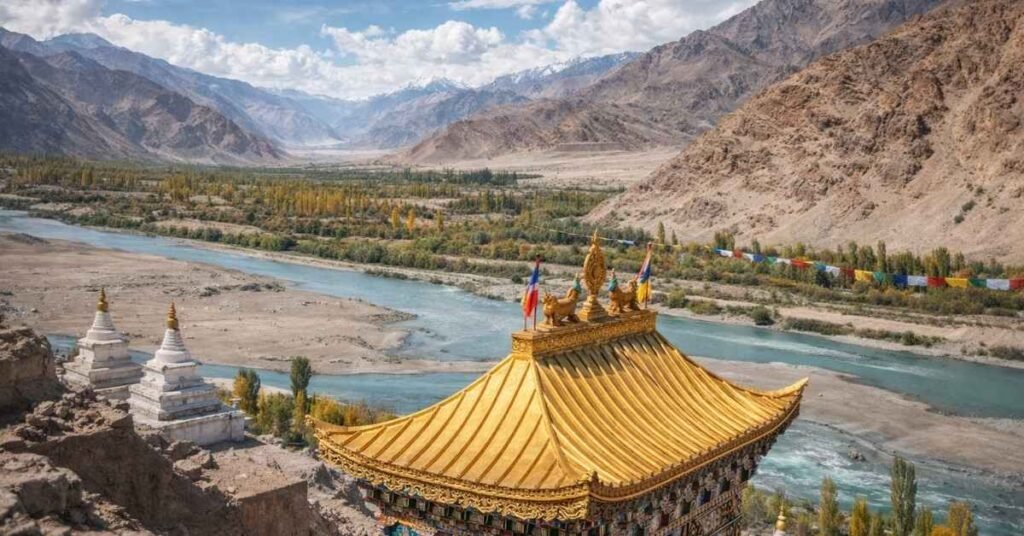
If there is one thing you absolutely cannot miss, it is going up to the rooftop. Since Stakna sits in the middle of the valley, the view is 360 degrees.
- To the North: You can see the green trees of the Indus valley.
- To the South: You see the zig-zagging Indus River flowing through the dry desert.
- All Around: You are surrounded by the massive, snow-capped peaks of the Zanskar mountain range.
It is the best spot in the whole region to take a panoramic photo. On a clear day, the contrast between the white monastery, the blue water, and the brown mountains is breathtaking.
How to Reach Stakna Monastery from Leh
Getting to Stakna Monastery is quite easy because it is located on the main highway that connects Leh to other famous places. It is about 25 kilometers away from Leh city. The drive usually takes around 45 to 50 minutes, and the road is very smooth and beautiful.
Here are the best ways to get there:
- By Taxi: This is the most comfortable way. You can hire a taxi from the Leh taxi stand. Most people visit Stakna as part of a “day trip” along with Thiksey and Hemis.
- By Bike: Many travelers love renting a Royal Enfield or a scooty in Leh. Riding along the Indus River with the wind in your face is an amazing experience! Just make sure you wear a helmet and carry your driving license.
- By Bus: There are local buses that go toward Hemis or Karu. You can ask the driver to drop you near the Stakna bridge. From the bridge, it is a short and easy walk up the hill to the monastery.
Since the monastery is right next to the river, the drive itself is a highlight of the trip. You will see many spots where the water looks crystal clear, perfect for a quick photo stop before you reach the “Tiger’s Nose.”
Best Time to Visit for the Best Experience
Ladakh has very different weather depending on the month. To have the best time at Stakna Monastery, you should plan your visit according to what you want to see.
Summer (June to September):
This is the best time for most visitors. The weather is pleasant, the roads are open, and the Indus River is full of water. The blue sky makes the white walls of the monastery look very bright and beautiful.
Winter (November to March):
Only go in winter if you like the extreme cold! The temperature can drop way below zero. However, the view is magical because the Indus River sometimes freezes, and the mountains are covered in thick white snow. It is very quiet during this time as there are almost no tourists.
| Season | Weather | Why Visit? |
| Summer | Warm & Sunny | Best for sightseeing and photography. |
| Monsoon | Very Little Rain | Ladakh is a “rain shadow” area, so it’s safe to visit. |
| Winter | Extremely Cold | To see the frozen river and snow. |
Pro Tip for Timing: Try to arrive early in the morning (around 8:00 AM). You might get to see the monks performing their morning prayers. Also, the morning light is the best for taking photos of the “Tiger’s Nose” rock.
Timings and Entry Fees
Before you head out, it is important to know the “ground rules” so you don’t get stuck outside. Unlike some of the bigger monasteries that are very strict, Stakna is quite welcoming, but they still follow a schedule.
- Opening Hours: The monastery generally opens around 6:00 AM and stays open until 6:00 PM.
- Lunch Break: Most monks have their lunch between 1:00 PM and 2:00 PM. During this time, the main prayer halls might be locked. It’s a good idea to visit in the morning or mid-afternoon to make sure you can see the Silver Stupa.
- Entry Fee: There is a very small entry fee (usually around ₹30 to ₹50). This money is used by the monks to keep the monastery clean and to pay for the butter used in the lamps.
It is a very small price to pay to see such a historic and holy place!
Essential Travel Tips for Stakna Monastery
To make sure your trip is fun and you don’t run into any trouble, keep these simple tips in mind. Remember, you are visiting a holy place, so showing respect is the most important thing.
- Don’t Rush (Acclimatization): If you just landed in Leh yesterday, don’t run up the hill! The air is thin in Ladakh, and you can get tired easily. Walk slowly and take deep breaths.
- Dress Properly: Even if it is hot outside, avoid wearing short skirts or sleeveless tops. It is best to cover your shoulders and knees to show respect to the monks.
- Photography Rules: You can take beautiful photos of the outside and the views from the roof. However, never take photos inside the prayer hall if there is a sign saying “No Photography.” Always ask a monk for permission first.
- Stay Hydrated: Carry a water bottle with you. The sun in Ladakh is very strong, and the dry air can make you thirsty quickly.
- Remove Your Shoes: You must take off your shoes before entering any of the prayer rooms or chapels. You can leave them neatly by the door.
Perfect 1-Day Itinerary: The Hemis-Thiksey-Stakna Circuit
Most people don’t visit just one monastery in a day. Since Stakna is on the way to other big sites, you can plan a perfect “Monastery Loop.” This saves you money on taxi fares and helps you see more in less time.
Here is a simple plan for your day:
- 9:00 AM: Leave Leh and head to Shey Palace. It’s the closest to the city.
- 11:00 AM: Visit Thiksey Monastery. It’s huge and looks like a palace from a movie!
- 1:00 PM: Stop at Stakna Monastery. This is the perfect time because it’s usually very quiet here while everyone else is at lunch.
- 3:00 PM: End your tour at Hemis Monastery, which is the biggest and richest one in Ladakh.
- 5:30 PM: Drive back to Leh as the sun starts to set over the mountains.
This route follows the Indus River almost the entire way, so you will have amazing views through your car window all day long!
Nearby Places You Can’t Miss
If you have extra time or want to explore more, there are some very famous spots within a 15-20 minute drive from Stakna.
Thiksey Monastery (8 km away): Known as the “Mini Potala Palace,” it houses a giant 49-foot tall golden Buddha statue.
Shey Palace (11 km away): This was once the summer home of the Kings of Ladakh. It has a massive copper Buddha statue covered in real gold!
Hemis Monastery (17 km away): Tucked inside a hidden valley, this is the most famous monastery in the region and hosts a big festival every summer.
Druk White Lotus School (Rancho School): If you have seen the Bollywood movie “3 Idiots,” you will recognize this school! It is very close to Stakna and is famous for its eco-friendly buildings.
By visiting these places together, you get to see how different each monastery is—from the huge crowds at Thiksey to the peaceful “Tiger’s Nose” at Stakna.
Where to Eat and Stay Near Stakna
Because Stakna Monastery is a quiet place where monks live, you won’t find big restaurants or luxury hotels inside the gates. However, there are some great options nearby that will make your trip even better.
Where to Eat: Most travelers eat a big breakfast in Leh before heading out. If you get hungry while visiting, look for the small local cafes near the Stakna Bridge or along the main highway.
- Small Dhapas: You can find little shops selling hot Maggi, momos, and Ladakhi butter tea.
- Thiksey Village: Since Thiksey is only a few minutes away, many people go there for lunch. There are nice garden cafes where you can sit under the trees and enjoy a fresh meal.
Where to Stay:
- Homestays: For a real Ladakhi experience, you can stay in a “Homestay” in Stakna village or nearby Stakmo. This is where you live with a local family in their traditional house. You get to eat home-cooked food and see how people live in the mountains.
- Leh City: Most people choose to stay in Leh because it has more hotels, better Wi-Fi, and lots of markets. It is only a 45-minute drive away, so it is easy to visit Stakna and go back to Leh for the night.
Frequently Asked Questions (FAQs)
1. Is there a lot of climbing to reach the monastery? No! Compared to Thiksey Monastery, Stakna is much easier to visit. There are some stairs, but the hill is not very high. It is a good choice if you have kids or older family members with you.
2. Can I see the Indus River clearly from the top? Yes! This is actually the best part of Stakna. Because the monastery is built right next to the water, you can look straight down and see the blue river winding through the valley.
3. Is Stakna better than Thiksey? It is not about being “better,” but it is definitely “different.” Thiksey is very famous and has many tourists. Stakna is much smaller and very peaceful. If you want to escape the crowds and sit in silence, Stakna is the winner!
4. What should I carry with me? You should carry a water bottle, a sun hat, and your camera. There are no big shops at the top of the hill, so bring any snacks you might need.
Conclusion: Is Stakna Monastery Worth It?
If you want to see a place that feels like a hidden treasure, the answer is a big YES! Stakna Monastery offers a unique Bhutanese history, a beautiful Silver Stupa, and views that you will remember for the rest of your life. It is the perfect spot to slow down, breathe the fresh mountain air, and see the “Tiger’s Nose” of Ladakh. Don’t forget to add it to your travel list for your next Himalayan adventure!