Pin Valley National Park: A Complete Travel Guide to Spiti’s Cold Desert
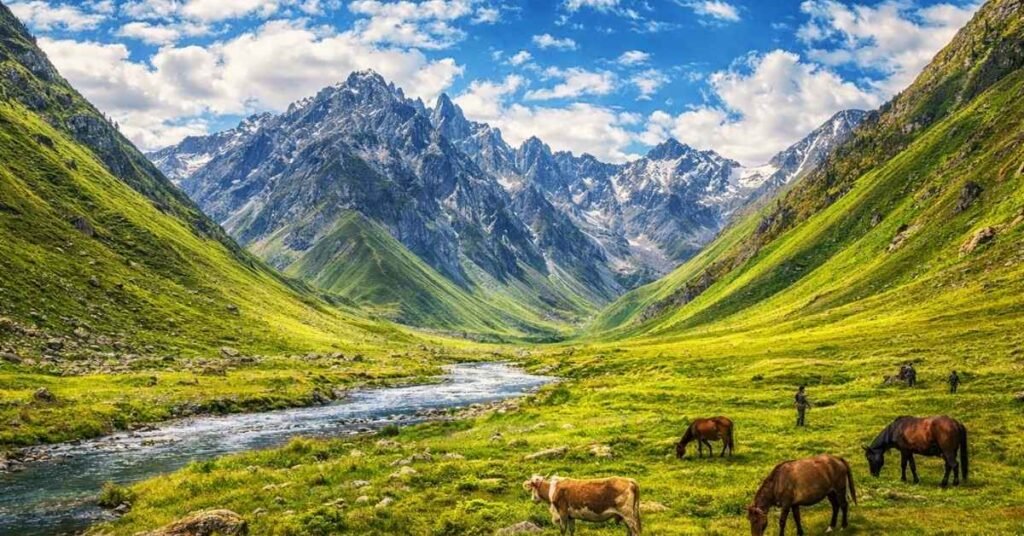
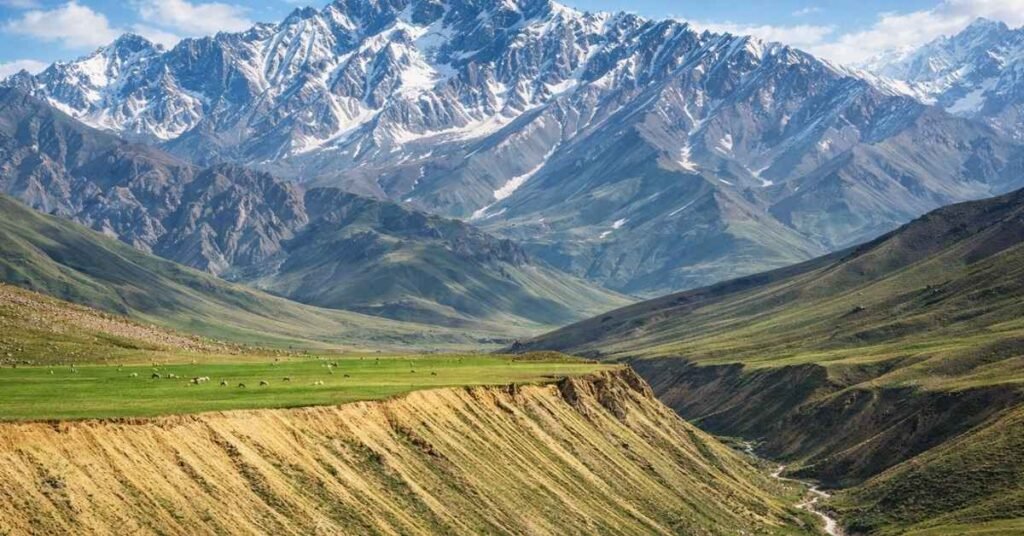
Imagine standing in a valley where the mountains suddenly change from the dusty brown of Spiti to vibrant shades of green, purple, and pink. Welcome to Pin Valley National Park, a hidden gem nestled in the high Himalayas of Himachal Pradesh.
Pin Valley is special because it is a “Cold Desert Biosphere Reserve.” This might sound complicated, but it simply means it is a very high, cold place with little rain, yet it is full of rare animals and plants. While most tourists rush through Kaza and Chandratal, Pin Valley offers something different: silence, raw nature, and a culture that has not changed for centuries.
In this guide, I will help you plan your trip perfectly. Whether you want to spot the rare Snow Leopard, trek through the mountains, or just relax in the beautiful Mud Village, this post covers everything you need to know.
Why Visit Pin Valley National Park?
You might be asking, “If I am already visiting Spiti Valley, why should I take a detour to Pin Valley?” The answer lies in its unique beauty and wildlife. It offers an experience that the rest of Spiti cannot match.
Here is why Pin Valley deserves a spot on your itinerary:
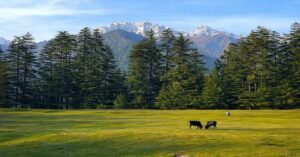
- The “Green” Surprise: The main Spiti Valley is mostly barren and brown. As soon as you cross the Attargo Bridge into Pin Valley, the landscape changes. You will see green meadows, colorful rocks, and the bright blue Pin River. It is like entering a whole new world.
- Home of the “Ghost”: This park is famous for being the home of the Snow Leopard, often called the “Ghost of the Mountains.” While they are hard to spot in summer, winter offers a real chance to see them. You are also very likely to see the Himalayan Ibex (wild mountain goats) climbing steep cliffs right next to the road.
- Unique Culture: Pin Valley is the stronghold of the Nyingmapa sect of Buddhism. The monks here are different from those in the rest of Spiti. They are known for their ancient traditions and the famous “Devil Dance” at Kungri Monastery.
- Peace and Quiet: Unlike the busy market of Kaza, Pin Valley is quiet. There is very little phone network here, which means you can truly disconnect and enjoy nature.
Best Time to Visit Pin Valley
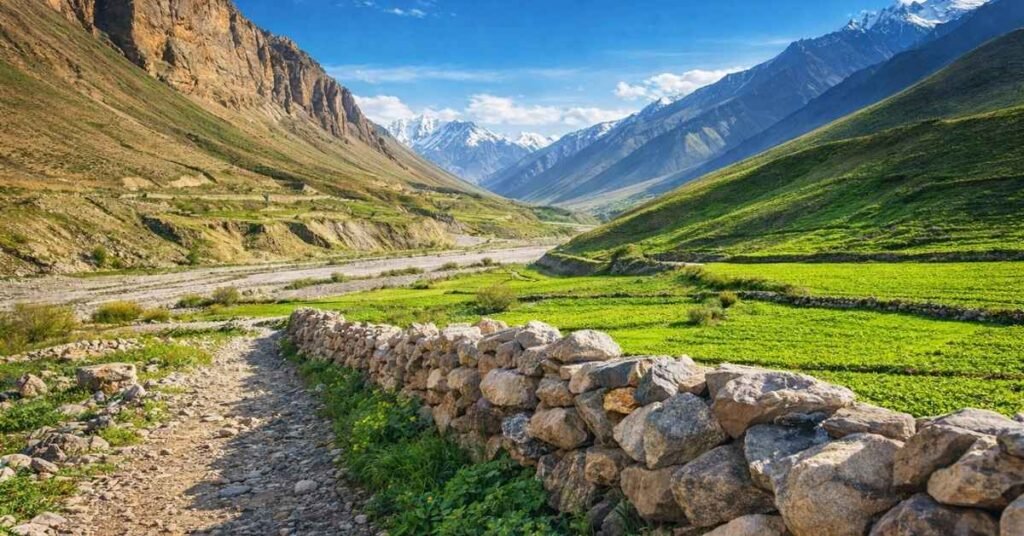
Choosing when to go to Pin Valley is very important because the weather here is extreme. Since it is a high-altitude desert, the “best” time depends on what you want to see.
| Season | Months | What to Expect |
| Summer | May to September | Best for sightseeing and trekking. Roads are open and the weather is pleasant. |
| Monsoon | July to August | Spiti doesn’t get much rain, but the roads leading to it (from Manali or Shimla) can be muddy or blocked by landslides. |
| Winter | November to March | For adventure seekers only! Everything is covered in deep snow. This is the best time to spot Snow Leopards. |
Most travelers visit between June and September. During these months, the sun is bright, the flowers are blooming, and the temperature is comfortable during the day. However, even in summer, the nights can be very chilly, so you must carry a heavy jacket.
How to Reach Pin Valley National Park
Getting to Pin Valley is an adventure in itself. There are no airports or train stations nearby. You have to travel by road, and the journey is breathtakingly beautiful.
The Starting Point: Attargo Bridge
The gateway to Pin Valley is a place called Attargo. It is located on the main road between Tabo and Kaza (about 20 km before you reach Kaza). You will see a large bridge crossing the Spiti River. Once you cross this bridge, you officially enter the road leading into Pin Valley.
From Kaza to Mud Village
Mud Village is the last place you can reach by vehicle in Pin Valley, and it is about 33 km from the Attargo bridge.
- By Private Car/Bike: This is the easiest way. It takes about 1.5 to 2 hours from Kaza. The road is narrow and “kucha” (unpaved), so drive slowly and carefully.
- By Public Bus: There is a state transport (HRTC) bus that usually leaves Kaza around 4:00 PM every day and reaches Mud Village by evening. The same bus leaves Mud Village early the next morning at 6:00 AM to go back to Kaza.
- By Shared Taxi: You can often find shared taxis at the Kaza taxi stand. This is a great way to save money if you are traveling alone.
Places to Visit in Pin Valley
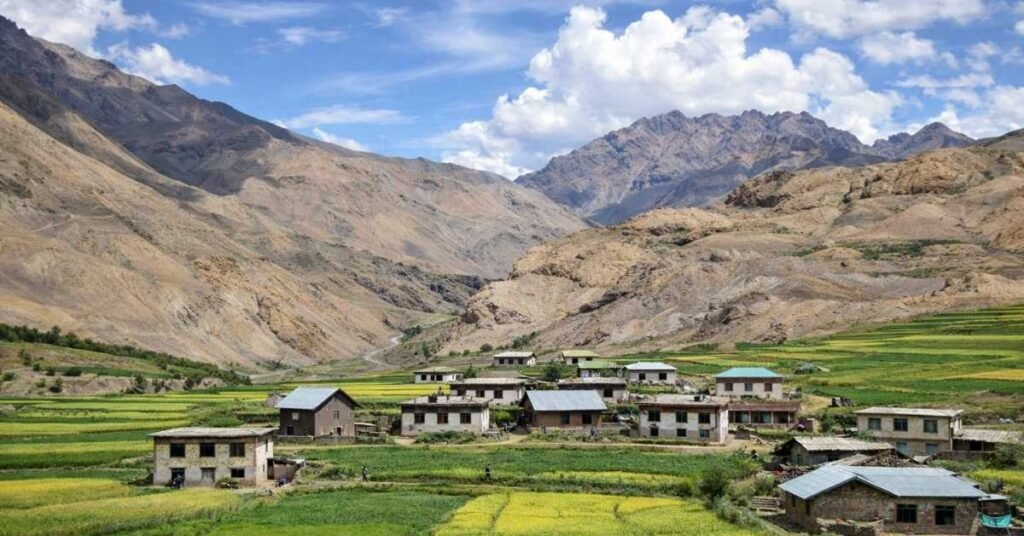
Pin Valley isn’t just about mountains; it’s about the hidden spots that make you feel like you’ve stepped back in time. Here are the places you absolutely cannot miss:
- Kungri Monastery: This is one of the most important stops. Built around 1330 AD, it is the second-oldest monastery in all of Spiti. It looks like a giant white castle against the brown hills. Inside, you can see ancient silk paintings (called Thangkas) and huge statues of Buddha.
- Mud Village: Imagine a tiny village with white-washed houses, surrounded by bright green pea and barley fields. This is Mud (pronounced “Moo-d”). It is the highest village in the valley and the last place where the road ends. It’s the perfect spot to sit with a cup of tea and watch the sunset.
- Sagnam Village: This is the largest village in the valley. It is located where two rivers meet. It’s a great place to see how local people live, grow their food, and manage their sheep in such a cold place.
- The Sangam (Confluence): Just like where two colors of paint mix together, you can see the clear blue Pin River meet the muddy grey Spiti River. It is a great spot for a quick photo!
Things to Do & Trekking Options
If you love being active and exploring, Pin Valley is like a giant outdoor playground. Here is what you can do:
- Go Wildlife Spotting: You don’t need to be a professional scientist to see animals here. Keep your eyes on the high rocky cliffs. If you see something moving that looks like a goat with giant curved horns, that’s a Himalayan Ibex. You might also see the Red Fox or the Blue Sheep.
- Take a Day Hike: You don’t have to be a marathon runner to enjoy a walk. From Mud Village, you can walk for an hour or two along the river. The air is fresh, and the views are better than any movie.
- The “Crossover” Treks: For people who are very fit and have a guide, Pin Valley is a gateway to other worlds.
- Bhaba Pass: A famous trek that takes you from the dry desert of Pin Valley into the lush, thick green forests of Kinnaur.
- Pin Parvati Pass: A very difficult trek that connects Pin Valley to the beautiful Parvati Valley in Kullu.
- Photography: Because the air is so thin and clean, the colors here are extra bright. At night, the sky is so dark that you can see thousands of stars and even the Milky Way with your naked eyes!
Where to Stay: Homestays in Pin Valley
When you visit Pin Valley, don’t expect big luxury hotels with swimming pools. Instead, you get something much better: Homestays. This is where local families open their doors to travelers. It is the best way to experience “EEAT” (Expertise, Experience, Authoritativeness, and Trustworthiness) because you are learning directly from the people who have lived here for generations.
- Authentic Experience: You will stay in a traditional Spitian house made of mud and brick, which stays surprisingly warm.
- Local Food: You get to eat home-cooked meals like Thukpa (noodle soup) or Tsampa (roasted barley).
- The Hub (Mud Village): Most travelers stay in Mud Village because it has the most options. There are several small guesthouses and homestays that provide a clean bed, warm blankets, and delicious local food.
- Booking: You don’t usually need to book these online (most aren’t on big websites anyway!). You can just show up, talk to the locals, and find a cozy room.
Essential Travel Tips (Permits, ATMs, and Network)
Pin Valley is remote, which means you need to be prepared. If you forget something important, you might have to drive two hours back to Kaza to find it!
Important Travel Facts:
| Feature | Reality in Pin Valley |
| Mobile Network | Very weak or zero. BSNL sometimes works near Sagnam, but don’t count on it. Jio/Airtel usually don’t work in Mud Village. |
| ATMs | There are no ATMs in Pin Valley. Carry all the cash you need from Kaza or Rekong Peo. |
| Permits | Indian tourists don’t need special permits to visit Pin Valley. Foreigners need an Inner Line Permit (available in Kaza or Shimla) because it is close to the border. |
| Electricity | Available, but it can go out during storms or heavy snow. Bring a power bank for your camera and phone! |
Health Tip: Because Pin Valley is very high up (about 12,000 feet!), you must drink plenty of water and rest. If you feel a headache or dizzy, tell your host immediately. This is called altitude sickness, and the best cure is resting and staying hydrated.
FAQs About Pin Valley National Park
To help you plan the perfect trip, here are the most common questions travelers ask before visiting:
Is Pin Valley open year-round?
The valley is technically open, but the road from Attargo to Mud Village often gets blocked by heavy snow from December to March. Always check the road status in Kaza before heading in during winter.
Can I visit Pin Valley as a day trip from Kaza?
Yes, you can! If you start early from Kaza (around 8:00 AM), you can visit Kungri Monastery and Mud Village and be back by evening. However, staying overnight in Mud Village is highly recommended to experience the local culture.
Do I need a guide for trekking?
For short walks around Mud Village, you don’t need a guide. But for long treks like the Pin-Bhaba or Pin-Parvati Pass, a local guide is mandatory for your safety.
Are there medical facilities in Pin Valley?
There is a small dispensary in Sagnam, but for any serious issues, the nearest well-equipped hospital is in Kaza.
Conclusion
Pin Valley National Park is more than just a destination; it is a journey into one of the quietest and most beautiful corners of the Himalayas. From the ancient chants at Kungri Monastery to the peaceful fields of Mud Village, it offers a break from the modern world that is hard to find anywhere else.
By visiting, you aren’t just seeing a park; you are supporting local families and protecting a fragile ecosystem. Remember to carry your trash back with you and respect the local traditions.
Pack your bags, leave your phone signals behind, and get ready to discover the “Lush Soul” of the cold desert.