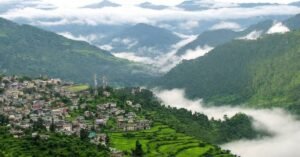
Makhdoom Sahib Srinagar: Your Ultimate Guide to Spiritual Bliss
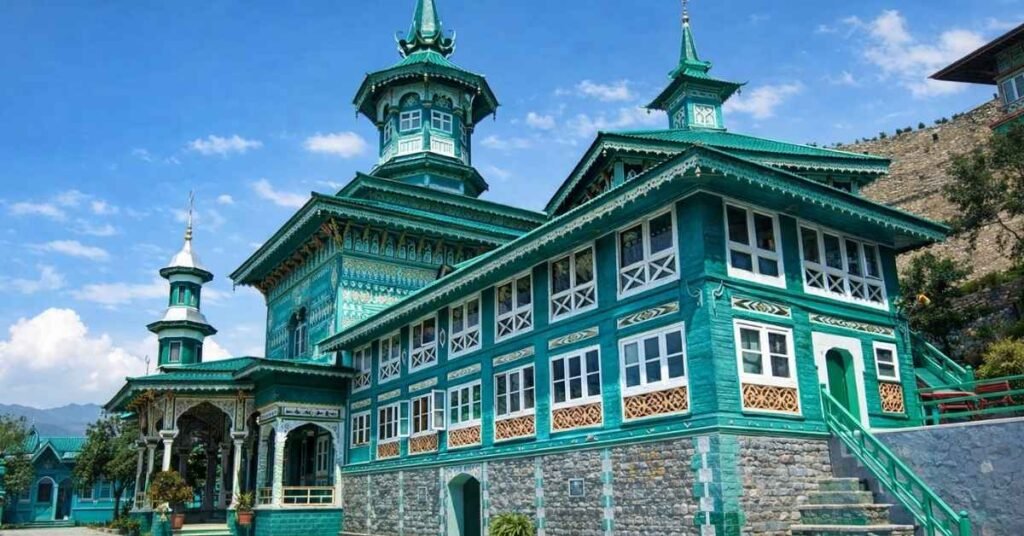
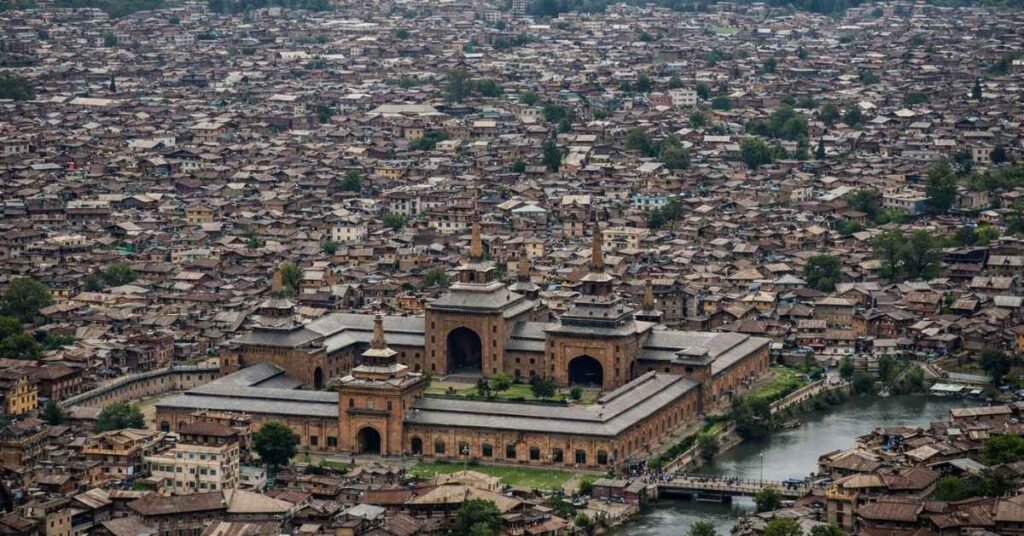
Imagine standing high up on a hill, feeling a cool breeze on your face. Below you, the beautiful city of Srinagar looks like a colorful painting. You can see the blue waters of Dal Lake and the old rooftops of the city. Right where you are standing, there is a peaceful building with a bright green roof. This is the Makhdoom Sahib Shrine, one of the most sacred places in all of Kashmir.
For hundreds of years, people from all over have come here. Some come to pray, some come for the views, and others come just to feel the quiet and calm. Whether you are a traveler looking for a great photo or someone looking for peace of mind, this place has something special for you. In this guide, I will tell you everything you need to know about visiting this “Soul of Srinagar.”
Who was Hazrat Sultan-ul-Arifeen?
Before we talk about the building, we must talk about the man it was built for. His name was Hazrat Sheikh Hamza Makhdoom, but most people call him Sultan-ul-Arifeen. This title means “The King of those who know the truth.”
He lived a long time ago, back in the 1500s. He wasn’t a king who lived in a palace with gold; he was a teacher who lived in the hearts of the people. He spent his whole life helping the poor and teaching people how to be kind, honest, and close to God.
Even today, people believe that his spirit protects the city. That is why you will see people from different religions—not just Muslims—visiting the shrine. They all believe that Sultan-ul-Arifeen listens to their prayers and brings them comfort.
The Magic of the Makhdoom Sahib Shrine
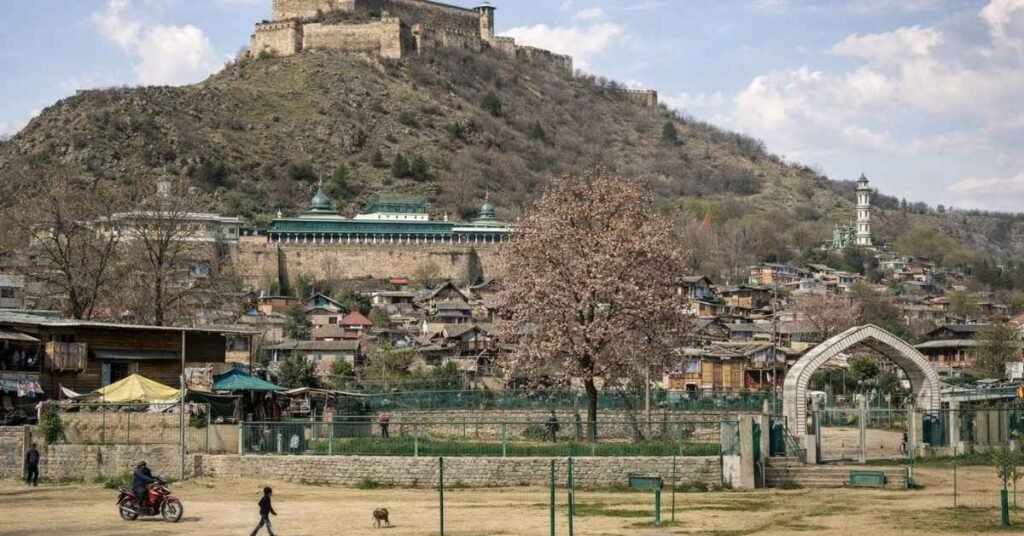
When you first step into the shrine area, you will notice how different it feels from the busy city streets below. It is like entering a whole new world. The air smells like sweet incense and fresh flowers.
The building itself is a masterpiece of old Kashmiri style. Unlike many modern buildings made of concrete, this shrine uses a lot of wood and stone. The walls are strong, and the roof is a beautiful green color that stands out against the blue sky.
Inside, the work is even more amazing. You will see:
- Paper Mache Work: Beautiful hand-painted designs on the ceilings and walls.
- Wooden Carvings: Intricate patterns carved into the pillars that show how talented Kashmiri artists are.
- The Peaceful Lattice: The windows have wooden “jaalis” (screens) that let in soft light and cool air.
The most important part of the shrine is the Ziyarat (the tomb). People walk around it quietly, whispering their prayers. It doesn’t matter if you are a tourist or a local; you can’t help but feel a sense of “Sukoon” (deep peace) when you are inside.
How to Reach: Stairs or Ropeway?
Getting to the Makhdoom Sahib Shrine is an adventure in itself! Because the shrine is located on the Hari Parbat hill, you have to go up to reach it. There are two main ways to get there, and each offers a very different experience.
The Iconic Stairs (A Test of Faith)
For many years, the only way to reach the shrine was by climbing the stone stairs. There are about 80 to 100 steps (depending on where you start).
- The Vibe: Walking up these stairs is a special tradition. You will pass small shops selling colorful flowers, sweet-smelling perfumes (ittar), and prayer beads.
- The Effort: It can be a bit tiring if you aren’t used to walking, but there are places to sit and rest. Most locals prefer this way because they feel the effort is part of their prayer.
The Makhdoom Sahib Ropeway (The Easy Way)
If you are traveling with elderly people or kids, or if you just want to see the best views, take the Cable Car (Ropeway). It was built to make the trip easier and more fun.
- The View: As the glass cabin moves up, you get a “bird’s eye view” of the entire city. You can see the Hari Parbat Fort right next to you and the sparkling Dal Lake in the distance.
- The Cost: It is very affordable and saves you a lot of time and energy.
| Feature | The Stairs | The Ropeway |
| Effort Level | High (Good exercise!) | Low (Very comfortable) |
| View | Close-up of local shops | Panoramic view of Srinagar |
| Time Taken | 10-15 minutes | 3-5 minutes |
| Best For | Young travelers & Pilgrims | Families, Seniors & Photographers |
Best Time to Visit for a Special Experience
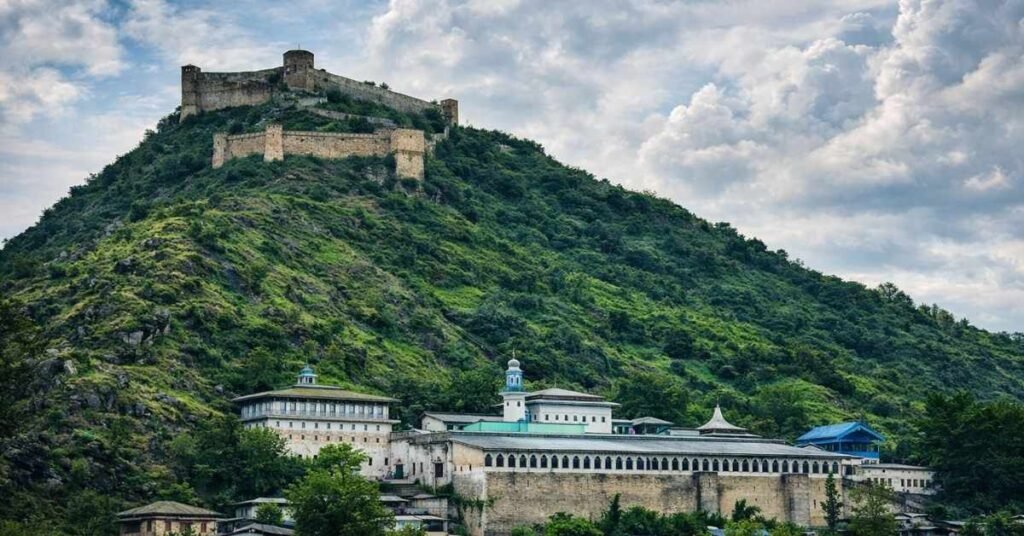
Kashmir changes its “clothes” every few months, and the shrine looks different in every season. To get the most out of your trip, you should pick a time that fits what you want to see.
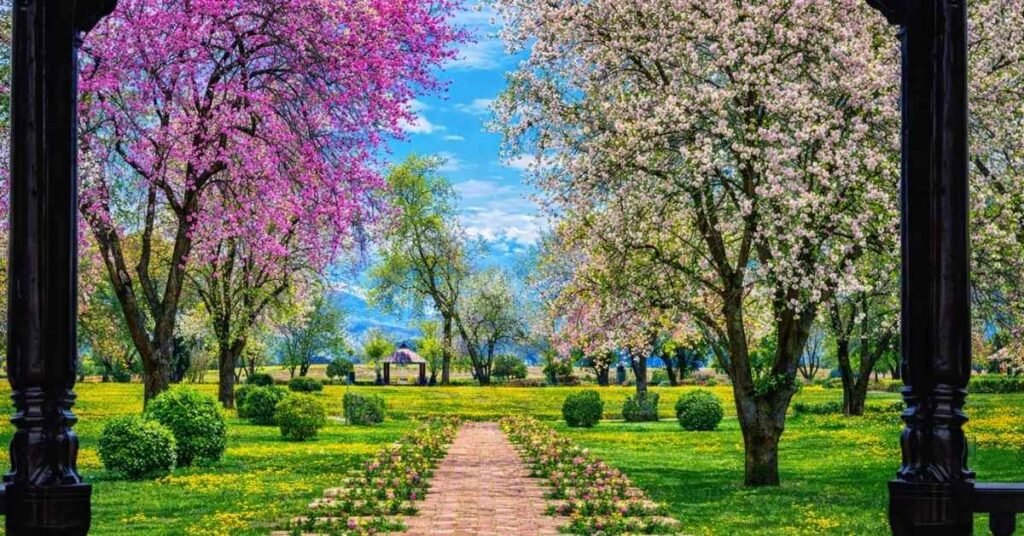
- Spring (March to May): This is perhaps the most beautiful time. The nearby Badam Wari garden is full of almond blossoms. The air is cool, and the walk up the stairs is very pleasant.
- Summer (June to August): Srinagar can get a bit warm during the day, so it is best to visit the shrine early in the morning (around 7:00 AM) or late in the evening. The sunsets from the hilltop are breathtaking in summer.
- Autumn (September to November): The leaves turn gold and orange. It is a very peaceful time to sit in the shrine courtyard and enjoy the crisp air.
- Winter (December to February): If you love the snow, this is the time for you! The green roof of the shrine covered in white snow looks like a scene from a fairy tale. Just be careful, as the stairs can be a bit slippery.
A Pro Tip: Try to visit on a Thursday or Friday. These are the days when more people gather for prayers, and you might even hear beautiful Sufi devotional music (Qawwali) that will give you goosebumps.
The Annual Urs: A Celebration of Soul
Once a year, the shrine becomes the most vibrant place in Srinagar during the Urs. The Urs is a special festival that marks the anniversary of the saint, Hazrat Makhdoom Sahib. It isn’t a sad event; it is a massive celebration of his life and teachings.
During these days, the entire hill is decorated with lights. Thousands of people from all over Jammu and Kashmir travel here to pay their respects. Here is what makes the Urs so special:
- The Spiritual Energy: You will see hundreds of people sitting together, reciting prayers and singing praises. The collective sound of their voices creates a feeling of peace that is hard to describe.
- The Market Vibe: Temporary stalls pop up everywhere! You can find traditional Kashmiri snacks like Nadru Monje (fried lotus stems) and local sweets that are only sold during festivals.
- The Brotherhood: You will see people sharing food and helping one another. It truly shows the “Experience” of Kashmiri hospitality and how the saint still brings people together.
If your trip happens to fall during the Urs, be prepared for large crowds, but also be prepared for an unforgettable experience of Kashmiri culture.
Important Tips for First-Time Visitors
Visiting a spiritual place like Makhdoom Sahib is different from visiting a regular park. To make sure you have a great time and show respect to the local culture, here are some easy tips to follow:
- Dress Simply: Both men and women should wear clothes that cover their shoulders and legs. It is a good idea for everyone to carry a small scarf or handkerchief to cover their head when entering the main shrine area.
- Take Off Your Shoes: Before you enter the inner part of the shrine, you will need to leave your shoes at the entrance. There are safe places to keep them.
- Ask Before You Click: You can take beautiful photos of the view and the outside of the building. However, taking photos inside the main tomb area is usually not allowed. It is always best to look for a sign or ask someone nearby.
- Carry Small Change: You might want to buy flowers or give a small donation. Having small notes (like 10 or 20 rupee notes) makes this much easier.
- Stay Quiet: Many people come here to meditate and talk to God. Keeping your voice low helps everyone enjoy the peace.
By following these simple rules, you will blend right in and have a much deeper experience of the shrine’s magic.
Hidden Gems Nearby (Make it a Day Trip)
The hill where the shrine sits is like a treasure chest. Once you have finished your prayers, don’t just head back home! There are several other amazing places just a few minutes away. You can easily turn your visit into a full day of exploring.
- Hari Parbat Fort: This massive stone fort sits right at the very top of the hill. It was built hundreds of years ago by Afghan rulers. From here, you can see the entire Dal Lake and the snowy mountains. It is the best place in Srinagar for a 360-degree view!
- Sharika Devi Temple: On the other side of the same hill, you will find this ancient temple. It is dedicated to Goddess Sharika, who is believed to be the protector of Srinagar. Seeing a temple and a shrine so close together shows how people of different faiths live in harmony here.
- Badam Wari Garden: If you visit in March or April, you must go here. It is a famous garden filled with thousands of almond trees. When they bloom, the whole place turns pink and white like a dream.
- Gurdwara Chatti Patshahi: Located near the southern gate of the fort, this is one of the most important Sikh shrines in Kashmir. It is beautiful, quiet, and very welcoming.
- Mosque of Akhund Mullah Shah: A hidden architectural gem made of grey limestone. It was built by a Mughal prince and is famous for its unique stone carvings.
Why This Shrine is the Soul of Srinagar
In a world that often feels too loud and busy, the Makhdoom Sahib Shrine stands as a reminder to slow down. It is more than just a famous landmark or a spot on a tourist map. For the people of Srinagar, it is a place where they go to share their joys and find comfort in their sorrows.
Whether you climb the stairs to feel the history or take the ropeway to see the beauty of the valley, you will leave with a heart that feels a little lighter. As the sun sets over the Hari Parbat hill and the evening prayers begin to echo through the city, you will realize why this place has been loved for over 500 years. It isn’t just about the view; it’s about the feeling of being home.
Frequently Asked Questions (The Facts)
To help you plan your trip perfectly, here are the answers to the most common questions travelers ask about visiting Makhdoom Sahib.
How many stairs are there in Makhdoom Sahib?
There are approximately 80 to 100 stairs leading up to the main shrine. The climb is well-paved and has resting spots, so most people can manage it easily.
What is the timing for the Makhdoom Sahib Ropeway?
The ropeway usually operates from 10:00 AM to 5:00 PM. However, timings can change depending on the weather, so it is a good idea to arrive early.
Is there an entry fee for the shrine?
No, there is no entry fee to visit the Makhdoom Sahib Shrine. It is open to everyone. You only need to pay if you choose to use the Ropeway (Cable Car).
Is it safe for solo female travelers?
Yes, it is very safe. The area is always buzzing with families and local devotees. The people are very helpful and respectful toward tourists.
How far is it from Lal Chowk or Dal Lake?
The shrine is about 5 to 6 kilometers from Lal Chowk (the city center) and very close to the old city area. You can easily reach it by auto-rickshaw or a local taxi in about 15-20 minutes.
What is the full name of the saint?
His full name is Hazrat Sheikh Hamza Makhdoom, and he is popularly known as Sultan-ul-Arifeen.