Likir Monastery: Your Complete Guide to Ladakh’s Golden Buddha
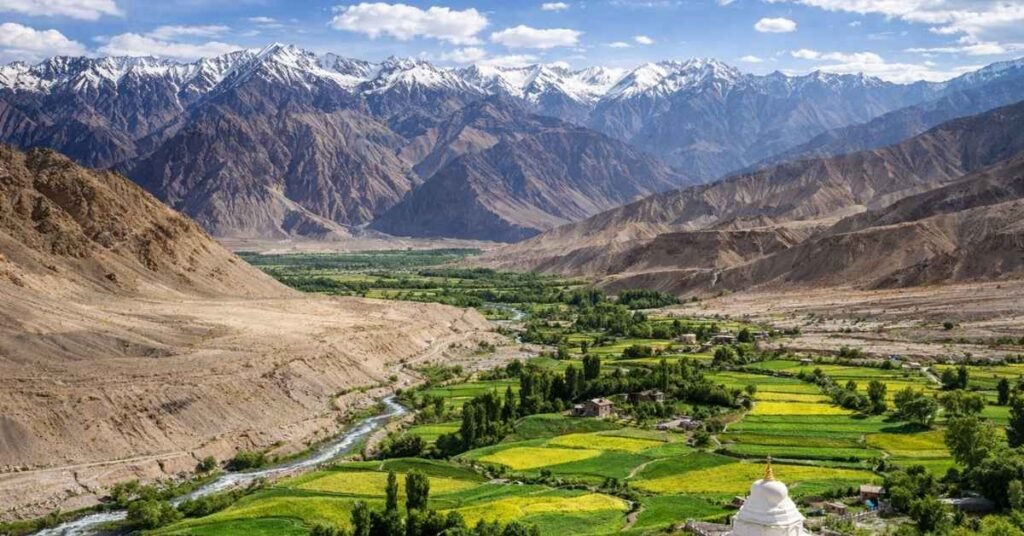
If you are planning a trip to Ladakh, you have probably seen photos of a giant, golden Buddha statue sitting high on a hill. That famous spot is Likir Monastery. Also known as Likir Gompa, it is one of the oldest and most beautiful places in the “Land of High Passes.”
Located about 52 kilometers away from Leh, Likir is much more than just a photo spot. It is a place where history, peace, and amazing views come together. Whether you are a solo traveler, a family on vacation, or a photographer, Likir has something special for you.
Why You Should Visit Likir Monastery
- The Giant Buddha: You can see the 75-foot tall gold-covered statue of Maitreya Buddha from miles away. It is truly a sight to behold.
- Peaceful Vibes: Unlike some busy tourist spots, Likir feels calm and spiritual.
- The Sham Valley Route: It is perfectly located on the way to other famous spots like Alchi and the Magnetic Hill, making it an easy addition to your plan.
- Living History: It belongs to the Yellow Hat sect of Buddhism and is headed by the younger brother of the Dalai Lama.
The Story of Likir: History and Meaning
Every old building has a story, and Likir’s story is over 900 years old! The name “Likir” actually comes from the word Lukhgil, which means “The Encircled Snake.” Local legends say that two great serpent kings—Nanda and Taksak—once protected this area. People believe the monastery’s walls wrap around the hill just like a sleeping snake.
A Quick Timeline of Likir
- The Beginning: It was founded in the 11th century (around the year 1065) by King Lhachen Gyalpo.
- The Change: Originally, it followed a different path of Buddhism, but in the 15th century, it was rebuilt and became part of the Gelugpa sect (also known as the Yellow Hat sect).
- The Royal Connection: Today, the monastery is led by Ngari Rinpoche. He is the younger brother of the 14th Dalai Lama, which makes this monastery very important to the local people.
Even though it was destroyed by fire once and rebuilt in the 18th century, the monks have worked hard to keep its ancient soul alive. When you walk through the halls today, you are walking through centuries of prayers and traditions.
Top Things to See at Likir Monastery
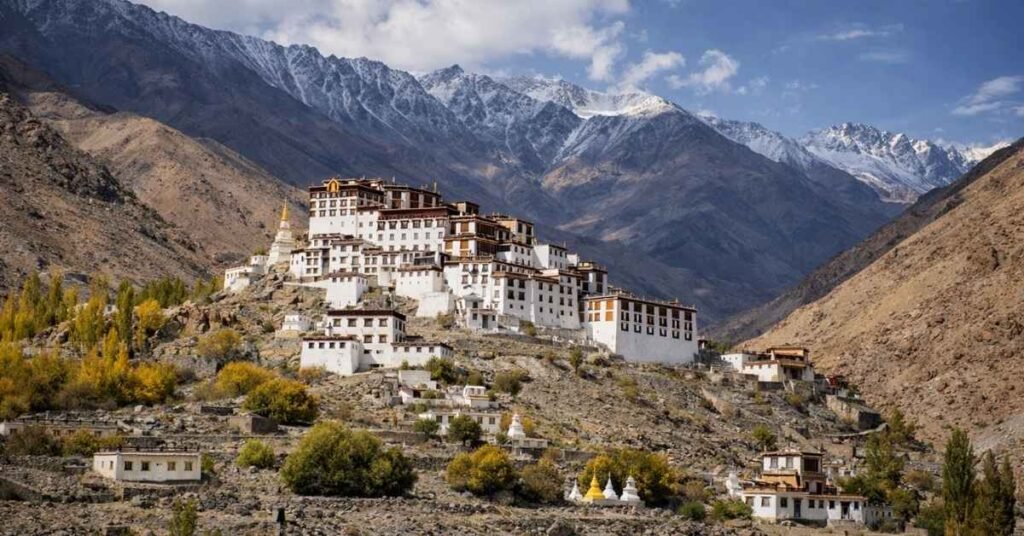
When you arrive at Likir, there is a lot to take in. The monastery is built on a hill, so you will be walking upward, discovering new treasures at every level.
The 75-Foot Golden Maitreya Buddha
This is the “superstar” of the monastery. It is a massive statue of the Maitreya Buddha (the Future Buddha) sitting out in the open air.
- The View: It sits on top of the monastery roof. Because it is covered in gold, it sparkles brilliantly when the sun hits it.
- Photography Tip: For the best photos, try to visit in the morning. The sunlight faces the Buddha, making it look magical against the deep blue Ladakh sky.
The Main Assembly Halls (Dukhangs)
Inside the monastery, there are two main prayer halls. These rooms are filled with high benches for the monks and tall statues of famous teachers.
- Old and New: You will see the older hall and a newer one built more recently.
- The Art: Look closely at the walls. They are covered in murals (paintings) that tell stories of Buddha’s life. Even after hundreds of years, the colors are still bright and beautiful.
The Monastery Museum
If you like old things, you will love the museum located inside the complex. It is small but packed with history.
- What’s Inside: You can see ancient Thangkas (religious scroll paintings), old coins, and even traditional Ladakhi weapons used long ago.
- Why it Matters: It shows you how people lived and prayed in this remote mountain desert centuries ago.
The Woodwork and Architecture
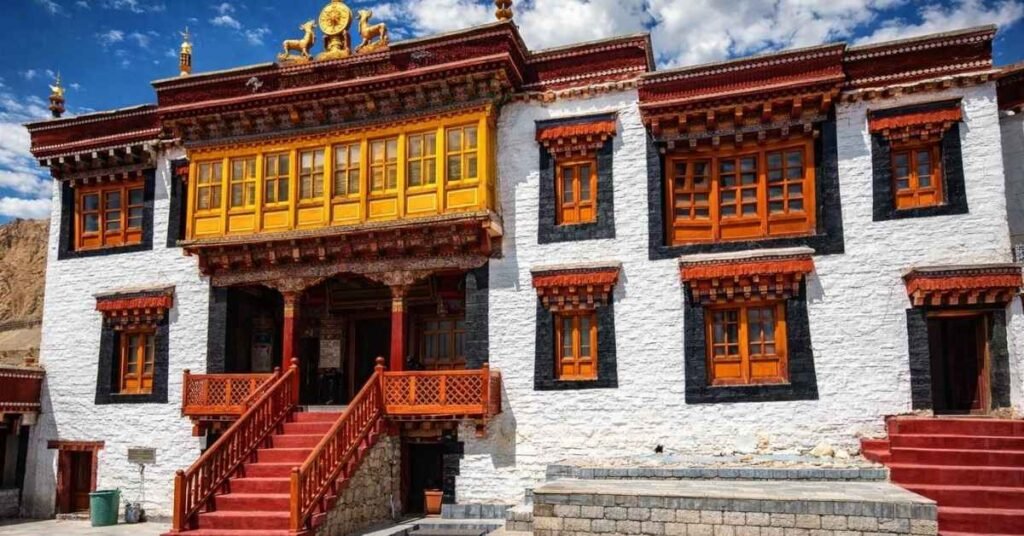
Unlike some other monasteries that are made mostly of stone, Likir is famous for its intricate wood carving. Look at the door frames and the pillars in the courtyards. The monks here are known for being master craftsmen, and you can see their hard work in every corner.
How to Reach Likir Monastery from Leh
Getting to Likir is quite easy because it is located just off the main highway (NH1) that connects Leh to Srinagar. The journey takes about 1.5 to 2 hours, covering a distance of approximately 52 kilometers.
A Quick Look at Road Conditions
The road from Leh to the Likir diversion is part of the national highway, meaning it is smooth, wide, and well-maintained. You can easily drive at a steady pace. Once you take the right turn toward the village (look for the “Likir” welcome gate), the road becomes a bit narrower as it winds up the hill.
- The “Likir Link” Road: This 5-6 km stretch is fully paved (blacktopped) and easy to drive, though it has a few sharp curves.
- Winter Note: If you visit in winter (January-February), the main highway is usually kept clear by the BRO, but the smaller road leading up to the monastery can be slippery due to black ice.
Travel Options Comparison
| Travel Mode | Estimated Cost | Best For… |
| Private Taxi | ₹2,500 – ₹3,500 | Families or groups wanting comfort and stops. |
| Shared Taxi | ₹300 – ₹500 | Budget travelers and solo backpackers. |
| Biking | Fuel + Rental | Adventure seekers who love the scenic route. |
| Local Bus | ₹60 – ₹100 | People who want a 100% local experience. |
By Taxi (The Most Comfortable Way)
Most tourists hire a taxi from the Leh taxi stand. This is the best choice if you want to visit other spots on the same day, like Magnetic Hill or Gurudwara Pathar Sahib. The driver can wait for you while you explore.
By Local Bus (The Budget Way)
Buses run from the Leh New Bus Stand.
- Timings: Usually, a bus leaves in the afternoon (around 3:00 PM), but schedules change, so check a day before.
- Note: The bus drops you on the highway. From there, you might need to walk or hitch a ride for the final 5 km uphill.
By Bike (The Adventure Way)
Riding through the Sham Valley is a dream. The road is scenic and mostly flat until you reach the monastery turnoff. Just remember to carry your license and wear a helmet!
Best Time to Visit and Weather
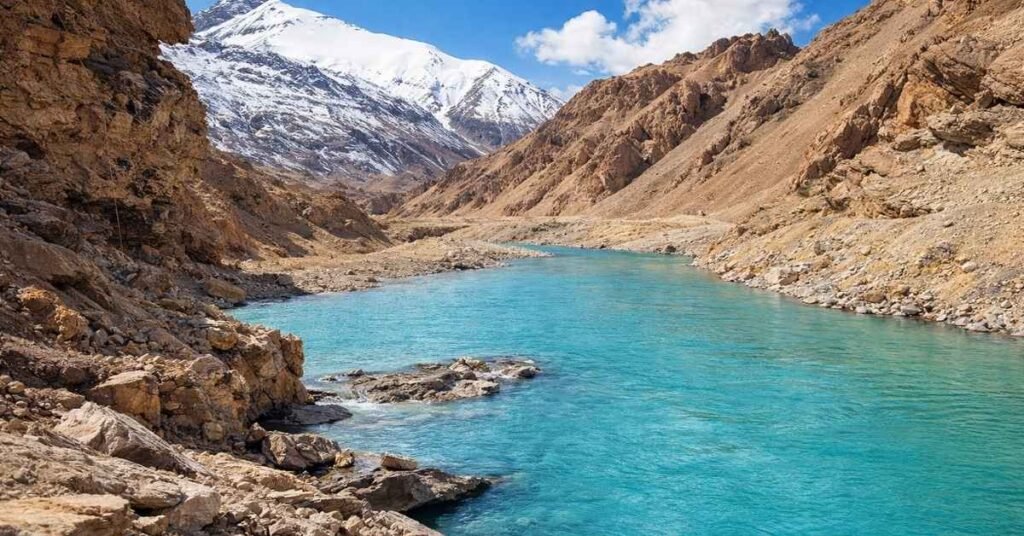
Ladakh is a land of extremes, and the weather at Likir Monastery changes a lot throughout the year. Choosing the right month to visit can make a huge difference in your experience.
Summer (May to September) – The Golden Window
This is the most popular time to visit. The roads are clear, the sky is a deep blue, and the weather is very pleasant.
- Weather: Daytime temperatures stay between 15°C and 25°C. It feels warm under the sun but stays cool in the shade.
- Why Visit: All the monastery halls and the museum are open. You can spend hours outside taking photos of the giant Buddha without feeling too cold.
Winter (October to April) – The Quiet Season
If you want to see a different side of Ladakh, winter is for you. However, it is not for the faint of heart!
- Weather: It gets very cold. Temperatures can drop to -15°C or lower at night.
- Why Visit: The crowds are gone, and the monastery looks stunning covered in white snow. It is a very peaceful time for meditation.
- Important: Many guest houses in the village close down, so you will need to plan your stay carefully.
The Dosmoche Festival (February)
If you can handle the cold, visiting during the Dosmoche Festival is a once-in-a-lifetime experience.
- What Happens: The monks perform famous Cham Dances (masked dances) to drive away evil spirits.
- The Vibe: The monastery comes alive with music, colorful costumes, and local people coming together to pray. It usually takes place in late February.
Entry Fee, Timings, and Rules
Visiting a monastery is different from visiting a park or a museum. It is a sacred place where monks live and pray, so there are a few simple things you should know before you step inside.
Timings: When is Likir Open?
The monastery is open every day of the week. However, the monks have a lunch break, so it is a good idea to plan your visit around their schedule.
- Summer Hours: 8:00 AM to 1:00 PM and 2:00 PM to 6:00 PM.
- Winter Hours: 10:00 AM to 1:00 PM and 2:00 PM to 4:00 PM.
- Pro Tip: Try to arrive between 8:00 AM and 10:00 AM. If you are lucky, you might hear the monks chanting their morning prayers!
Entry Fee: How Much Does it Cost?
One of the best things about Likir is that it is very affordable.
- Monastery Entry: Free (though a small donation is always appreciated).
- Museum Entry: Approximately ₹20 to ₹30 per person. This small fee goes towards maintaining the ancient artifacts inside.
Rules to Follow (Monastery Etiquette)
To show respect to the monks and the local culture, please keep these “Golden Rules” in mind:
- Dress Modestly: Make sure your shoulders and knees are covered. Avoid wearing sleeveless tops or short shorts.
- The “Right” Way to Walk: When you walk around the monastery or spin the prayer wheels, always move in a clockwise direction (keep the building to your right).
- Remove Your Shoes: You must take off your shoes before entering any of the prayer halls (Dukhangs).
- Ask Before You Click: You can take photos of the giant Buddha outside, but many indoor prayer rooms do not allow photography. Always look for a sign or ask a monk first.
- Stay Quiet: Treat the monastery like a library. Keep your voice low so you don’t disturb the monks during their meditation.
Where to Stay and Eat
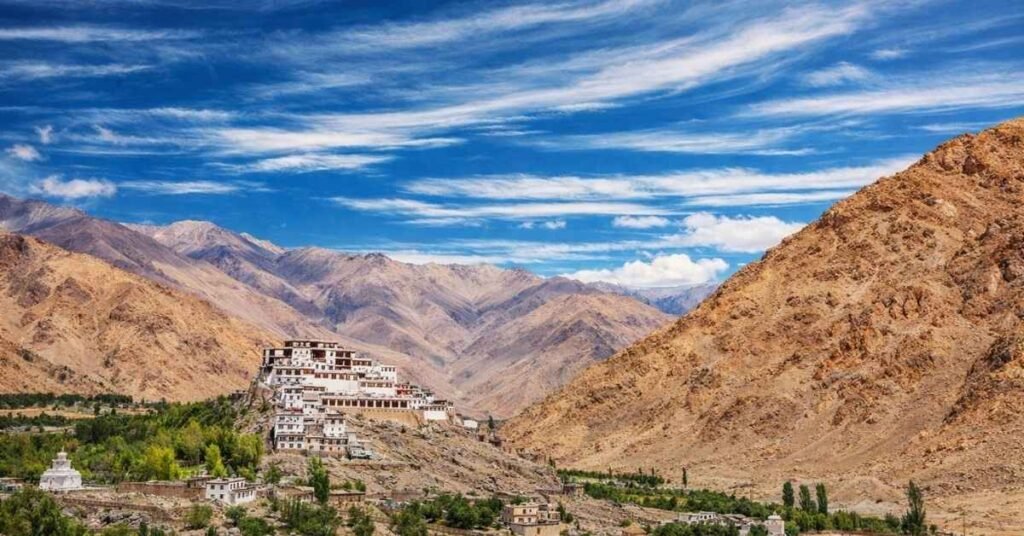
Likir is a small, quiet village, so you won’t find big luxury hotels here. Instead, you get to experience the real Ladakhi lifestyle. Most people visit Likir as a day trip from Leh, but staying overnight is a great way to enjoy the peace.
Where to Stay
- Monastery Guest House: Right next to the monastery, there is a basic guest house run by the monks. The rooms are simple and clean, and the money you pay helps support the monastery. It is the best place if you want to wake up to the sound of morning bells.
- Village Homestays: Many local families in Likir village open their homes to travelers. This is a wonderful way to eat home-cooked food and learn about their culture.
- Camping: During the summer, some travelers bring their own tents and camp in the nearby fields (always ask the locals for permission first!).
What to Eat
Food options are limited but very fresh and tasty.
- Monastery Cafe: There is a small cafe near the entrance that serves basic snacks. You can grab a hot cup of Maggi, some biscuits, or a cold drink.
- Local Ladakhi Food: If you stay in a homestay, you must try:
- Thukpa: A warm noodle soup with vegetables.
- Butter Tea: A salty, creamy tea that helps keep you warm in the mountains.
- Tsampa: A traditional barley flour dish that is very healthy.
- Pro Tip: Carry some water and small snacks (like chocolate or energy bars) with you from Leh, as shops in Likir might not always be open.
Pro Travel Tips for a Smooth Trip
Traveling in high-altitude places like Ladakh requires a bit of extra planning. To make sure you have the best time at Likir Monastery without any hiccups, here are some “insider” tips.
Give Your Body Time (Acclimatization)
Likir is located at an altitude of about 11,500 feet. If you have just landed in Leh, do not rush to Likir on the same day.
- The Rule: Spend at least 48 hours in Leh first to get used to the thin air. This helps prevent headaches and dizziness (Altitude Sickness).
Connectivity: Will Your Phone Work?
Don’t expect to be scrolling through social media easily here!
- SIM Cards: Only Postpaid SIM cards work in Ladakh. BSNL has the best coverage in remote areas like Likir, followed by Airtel.
- Data: Internet speeds can be very slow or non-existent once you leave the main town of Leh.
Carry Cash (No ATMs!)
Likir is a small village and does not have any ATM machines.
- Be Prepared: Always withdraw enough cash in Leh before you head out. You will need it for the entry fees, taxi, homestays, and local snacks.
Stay Hydrated and Sun-Protected
The sun in the mountains is much stronger than you think.
- Sunscreen: Wear a high-SPF sunscreen and a hat to avoid a nasty sunburn.
- Water: Drink plenty of water throughout the day. It helps your body adjust to the high altitude much faster.
Plastic-Free Zone
Ladakh is a very eco-sensitive place. Try your best not to buy plastic water bottles. Instead, carry a reusable bottle and refill it at your guest house or at filtered water points.
Nearby Attractions to Add to Your Plan
Since Likir is located in the beautiful Sham Valley, most people don’t just visit the monastery and head back. You can make it a full day of adventure by visiting these nearby spots on your way to or from Leh.
Magnetic Hill
Located right on the highway, this is a place that defies gravity! If you park your car at a specific spot and leave it in neutral, the car will slowly start moving uphill on its own. It is a fun “magic trick” of nature that kids and adults both love.
Gurudwara Pathar Sahib
A short drive from Magnetic Hill is this beautiful Sikh temple. It was built to remember Guru Nanak’s visit to Ladakh. The monks and the army soldiers here are very welcoming, and you can even enjoy a hot meal (Langar) and some tea.
Sangam (Indus and Zanskar River Meeting Point)
This is where the shiny green Indus River meets the muddy brown Zanskar River. The “V” shape where they merge is a spectacular sight. In the summer, many people go river rafting here, which is an exciting experience!
Alchi Monastery
If you have more time, drive a bit further to Alchi. Unlike Likir, which is on a hill, Alchi is built on flat ground. It is famous for its very old paintings that look more Indian than Tibetan. It is one of the most important historical sites in all of Ladakh.
Basgo Monastery
On your way back, keep an eye out for the giant mud-brick ruins of Basgo. It looks like a giant sandcastle standing against the mountains. It was once the capital of Lower Ladakh and offers a great view for sunset photos.
Frequently Asked Questions (FAQs)
Planning a trip can bring up a lot of questions. Here are the most common things travelers ask about Likir Monastery.
Is Likir Monastery worth visiting?
Yes! It is one of the most accessible and visually stunning monasteries in Ladakh. The 75-foot Golden Buddha alone makes the trip worthwhile.
How far is Likir from Leh?
It is approximately 52 kilometers (32 miles) from Leh. By car or bike, it takes about 1.5 to 2 hours to reach.
Can I stay inside the monastery?
You can stay in the Monastery Guest House located just outside the main gates. It offers a simple, peaceful stay with basic amenities.
What is the best way to include Likir in a tour?
The best way is to do a “Sham Valley Day Trip.” You can start from Leh, visit Magnetic Hill, Sangam, and Likir, and then return to Leh by evening.
Are there any festivals at Likir?
Yes, the Dosmoche Festival is the biggest event. It usually happens in February and features colorful mask dances by the monks.
Conclusion: The Timeless Spirit of Likir
Likir Monastery is a place where you can truly feel the heart of Ladakh. From the massive Golden Buddha that watches over the valley to the quiet prayer halls filled with ancient stories, it is a destination that stays with you long after you leave.
Whether you are visiting for the history, the photography, or just a moment of peace, Likir offers a warm welcome to everyone. Just remember to respect the local traditions, take your time to breathe in the mountain air, and enjoy every bit of the journey.
Happy Traveling!