Jammu to Pahalgam Distance: The Complete 2026 Road Guide & Travel Secrets
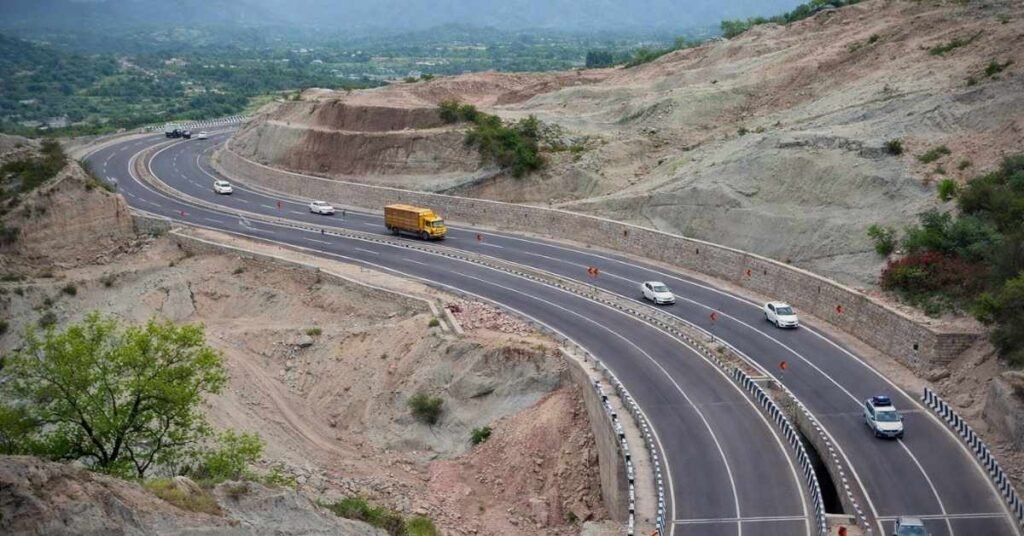
Last updated on February 8th, 2026 at 03:26 pm
Introduction: The Gateway to the Valley
Imagine leaving behind the warm, sunny plains of Jammu in the morning and waking up to the smell of pine trees and the sound of a rushing river in Pahalgam by the evening. That is exactly what the journey from Jammu to Pahalgam feels like!
Pahalgam, often called the “Valley of Shepherds,” is one of the most beautiful places in Kashmir. But to get there, you have to cross the mighty Pir Panjal mountains. The distance is roughly 235 to 250 kilometers, depending on the specific route you take. While that might not sound like a lot on a flat highway, mountain roads are different.
Because I have traveled these roads many times, I can tell you that this trip is about more than just the miles—it’s about the tunnels, the stops for local food, and the changing weather.
To make your planning easier, here is a quick “cheat sheet” for your trip:
At a Glance: The Quick Trip Summary
| Feature | Details |
| Total Distance | Approximately 235 km |
| Travel Time | 7 to 9 hours (can vary with traffic) |
| Primary Road | NH 44 (Jammu-Srinagar Highway) |
| Best Starting Time | 5:00 AM or 6:00 AM |
| Key Highlights | Chenani-Nashri Tunnel, Banihal Tunnel, and the Lidder River |
Distance & Duration: The Hard Facts
When you look at a map, the distance between Jammu and Pahalgam is about 235 kilometers (146 miles). In a city, you could drive that in 3 or 4 hours. But in the mountains of Jammu and Kashmir, things work a bit differently!
Why does it take longer?
Even though the roads are getting much better every year, you should plan for a 7 to 10-hour journey. Here is why the clock ticks differently on this route:
- The Mountain Climb: You are climbing from the low plains of Jammu up into the high mountains. This means the roads have curves and slopes where cars must go slower.
- Truck Traffic: NH 44 is the main “lifeline” for Kashmir. Large trucks carrying fruits, vegetables, and supplies use this road, and sometimes they can slow down the flow.
- Security Checks: Because this is a sensitive and important area, there are occasionally security checkpoints where vehicles need to slow down or stop briefly.
- The “Convoy” Factor: During certain times of the year (like the Amarnath Yatra), official convoys move on the road. This can sometimes pause regular traffic for a little while.
The Realistic Timeline
If you leave Jammu at 6:00 AM, you can expect to reach Pahalgam between 2:00 PM and 4:00 PM. This gives you enough time for a relaxed lunch and a few photo stops along the way.
Pro Tip: Don’t trust Google Maps blindly! It often says the trip will take 6 hours, but it doesn’t know about the lunch breaks or the slow-moving trucks on the mountain bends. Always add 2 extra hours to whatever the app tells you.
Route Mapping: The Best Way to Go
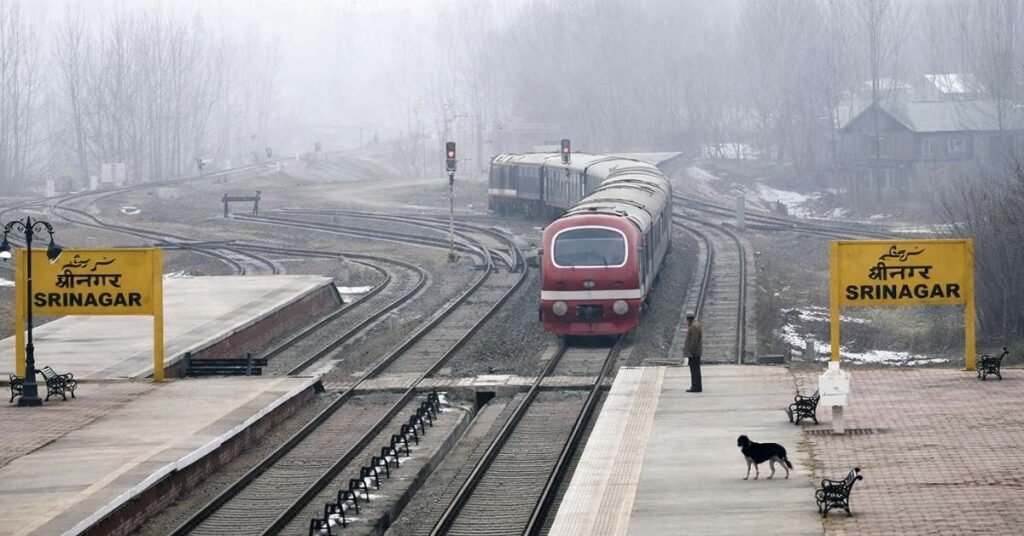
To get from Jammu to Pahalgam, there is one main “superhighway” that almost everyone uses. It is called NH 44 (National Highway 44). You can think of this road as the main artery that connects the rest of India to the heart of Kashmir.
The Major Stops on Your Journey
Here are the towns you will pass through in order. It’s like a checklist for your road trip!
- Jammu: Your starting point.
- Udhampur: A large town where the hills really start to begin.
- Ramban: This is the halfway point. It’s a great place to stretch your legs.
- Banihal: This is where the big mountains are! You’ll go through a massive tunnel here.
- Qazigund: Known as the “Gateway to Kashmir.” Once you cross this, the air feels cooler and the trees look different.
- Anantnag: A busy city where you will leave the main highway and turn toward Pahalgam.
- Pahalgam: Your beautiful final destination!
Transport Logistics: How to Get There
Now that you know the way, how do you actually get there? You have three main choices: hiring your own car, sharing a ride with others, or taking a big bus. Each one is a bit different in price and comfort.
Private Taxis (The Most Comfortable)
If you are traveling with family or a group of friends, hiring a private taxi is the best way. You can find them at the Jammu Tawi Railway Station or the Jammu Airport.
- Cost: A small car (like a Swift Dzire) usually costs around ₹5,500 to ₹7,000. A bigger SUV (like an Innova) can cost between ₹8,000 and ₹11,000.
- Why choose this? You can stop whenever you want for photos or food.
Shared Taxis (The Popular Choice)
For solo travelers or couples, shared taxis are very common. These are usually SUVs (like a Sumo or Tavera) where you pay for just one seat.
- Where to go: Head to the Srinagar Taxi Stand near the Jammu Railway Station.
- Cost: Expect to pay about ₹800 to ₹1,200 per seat.
- Note: These taxis usually wait until all the seats are full before they start driving.
JKSRTC Buses (The Budget Choice)
The government-run buses (JKSRTC) are the cheapest option.
- Where to go: The General Bus Stand in Jammu.
- Cost: Tickets are usually around ₹400 to ₹800 depending on if the bus has “Deluxe” seats or not.
Quick Comparison Table
| Transport Type | Estimated Cost | Best For |
| Private Taxi | ₹5,500+ | Families & Comfort |
| Shared Taxi | ₹1,000 | Solo Travelers |
| Government Bus | ₹500 | Travelers on a Budget |
Pro Tip: If you take a shared taxi, try to get the front seat next to the driver. It has the best view and you won’t feel “squished” in the back!
The “Tunnel Advantage”: Navigating the NH 44
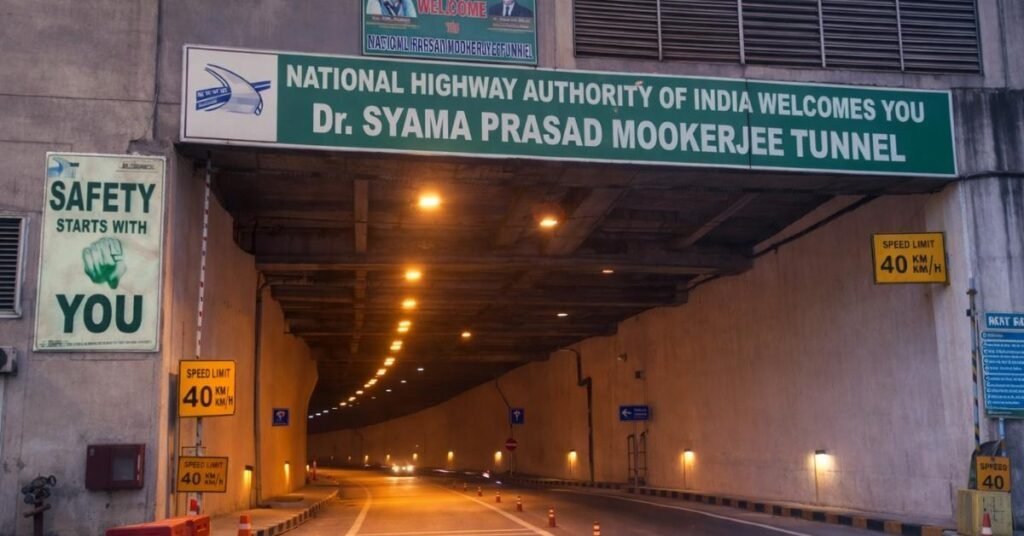
If you had traveled this road ten years ago, you would have spent hours driving up and down steep, scary mountain curves. But today, thanks to some incredible engineering, we have “shortcuts” through the mountains called tunnels. These make the trip much safer and faster.
The Two “Game Changers”
- Dr. Syama Prasad Mookerjee Tunnel (Chenani-Nashri): This is the longest road tunnel in all of India! It is nearly 9 kilometers long. Before this tunnel was built, drivers had to go over the “Patnitop” pass, which was full of sharp turns and often got blocked by fog or snow. Now, you just drive straight through the mountain in about 10 minutes.
- Banihal-Qazigund Road Tunnel (Navyug Tunnel): This is the newest tunnel on the route. It helps you avoid the old “Jawahar Tunnel,” which was very narrow and often had long traffic jams. This new tunnel is much wider and stays open even when there is heavy snow on the mountain tops above it.
Important Rules for Tunnels:
- Check Your Speed: There are cameras everywhere inside. Keep your speed between 40 km/h and 50 km/h.
- Headlights On: Always keep your headlights on (but not your high beams) so other drivers can see you clearly.
- No Overtaking: Stay in your lane! Changing lanes inside these long tunnels can be very dangerous.
Pro Tip: When you enter the Chenani-Nashri tunnel, you’ll notice the temperature inside is very different from the outside. It has a special ventilation system that keeps the air fresh!
Strategic Pitstops: Where to Eat & Rest
You can’t drive for 8 hours without some delicious food and a chance to stretch your legs! The road from Jammu to Pahalgam has some very famous spots where travelers have been stopping for decades.
Here are the best places to take a break:
- Udhampur (The Breakfast Stop): About an hour or two from Jammu, this is a great place to grab some hot parathas or tea.
- Peera (The Famous Lunch): This is a place you must stop at. It is famous for one thing: Rajma Chawal (Red kidney beans and rice) topped with local ghee and anardana (pomegranate) chutney. People travel from all over just to eat this specific meal here. It’s the “fuel” every traveler needs!
- Ramban (The Halfway Point): This is a good place to stop for a quick “Chai” break. There are many small shops here selling local snacks.
- Anantnag: As you get closer to Pahalgam, you’ll pass through Anantnag. If you have time, you can stop here to see some of the local markets before the final 45-minute drive to Pahalgam.
Pro-Tips for Food:
- Drink Bottled Water: To keep your stomach happy during the mountain trip, it is always safer to buy bottled mineral water at these stops.
- Eat Light: Because the roads have many twists and turns, it’s better not to eat a very heavy meal right before the winding parts of the drive.
Road Conditions & Safety: Staying Safe on the Journey
Safety is the most important part of any trip! Because the road from Jammu to Pahalgam goes through high mountains, the weather and road conditions can change very quickly.
Current Road Status (January 2026 Update)
As of January 24, 2026, the Jammu-Srinagar Highway (NH 44) is currently closed due to heavy snowfall. The authorities have advised everyone to avoid traveling until the snow is cleared from the tunnels and the roads are safe again. This is why you must always check the “Road Status” the night before you leave!
Key Safety Tips for Your Drive
- The “Shooting Stone” Zone: Between the towns of Ramban and Banihal, there are areas where small rocks can sometimes fall from the cliffs (locals call these “shooting stones”). Drivers are very careful here. It is best to cross this area during the day when visibility is high.
- Landslides: During heavy rain or snow, the soil can get loose. If it’s raining hard, it is much safer to wait in Jammu or Ramban until the weather clears.
- Travel in Daylight: I always recommend starting your trip at 5:00 AM or 6:00 AM. This ensures you reach Pahalgam before it gets dark. Driving on mountain roads at night is not a good idea for visitors.
- Keep Your ID Ready: There are security checkpoints at places like Nagrota and near the tunnels. Make sure everyone in your car has their Original Aadhar Card or another ID handy to show the officers.
The “Postpaid SIM” Rule (Very Important!)
Here is a secret that many first-time travelers miss: Prepaid SIM cards from outside Jammu & Kashmir do not work here. If you have a prepaid SIM from Delhi, Mumbai, or anywhere else, your phone will show “No Service” the moment you enter the state. You will need a Postpaid SIM (Airtel, Jio, or BSNL work best) to use GPS or call your hotel.
Secrets to Save 3 Hours on Your Jammu to Pahalgam Trip
Want to beat the crowds and save nearly 3 hours of sitting in a car? After years of traveling this route, here are the “insider” secrets that most tourists don’t know:
- The “5 AM Club” Advantage: Most taxis and buses start at 8:00 AM. By then, the Nagrota checkpoint is already jammed. If you leave at 5:00 AM sharp, you clear the city traffic and reach the mountain tunnels before the heavy trucks start their day. (Time Saved: 45 minutes).
- The New Rail-Link “Hack”: In 2026, the USBRL Train is your best friend. Instead of driving the bumpy road from Jammu to Ramban, take the train from Jammu to Anantnag. It’s faster, cheaper, and avoids the landslide-prone areas entirely. (Time Saved: 1 Hour).
- The Tunnel Priority: Don’t let your driver take the “scenic” old roads over the Patnitop or Jawahar passes just for views. Insist on using the Chenani-Nashri and Navyug Tunnels. They are built to keep traffic moving at 50 km/h, even when it’s snowing outside. (Time Saved: 1 Hour).
- Pre-Packed Breakfast: Don’t spend 45 minutes waiting for a dhaba to cook your parathas. Pack a heavy breakfast from your Jammu hotel and eat it on the go. Save your “sit-down” time for the famous Rajma Chawal at Peera later! (Time Saved: 30 minutes).
- Digital Traffic Checking: Before you even start your engine, check the J&K Traffic Police’s live updates on X (Twitter). If there is a breakdown at Ramban, you can wait at your hotel instead of being stuck in a 5-mile long queue on a narrow cliff side. (Time Saved: Priceless/Prevents getting stuck for hours).
Route Attractions: Making the Most of the Drive
The best part about a road trip is that the fun starts long before you reach your hotel! The drive from Jammu to Pahalgam is full of “hidden gems” where you can stop for 15-20 minutes to take amazing photos.
Here are the top spots to look out for:
- Patnitop Viewpoints: About 110 km from Jammu, Patnitop is a beautiful hill station. If you have time, take the small diversion to see the tall Deodar trees. The air here is very fresh and cool.
- Titanic View Point: After you cross the Banihal area and pass through the tunnels, there is a famous spot called the Titanic View Point. From here, you get your very first “panoramic view” of the entire Kashmir Valley. It looks like a giant green carpet spread out below you.
- Sangam (The Cricket Bat Village): As you get closer to Anantnag, you will see thousands of wooden planks stacked on the side of the road. This is Sangam, where the world-famous Kashmiri Willow cricket bats are made. You can actually see the artisans carving the bats by hand!
- Martand Sun Temple (near Anantnag): If you like history, this is a must-visit. It is an ancient stone temple dedicated to the Sun God. Even though it is in ruins now, it looks very majestic against the mountain backdrop.
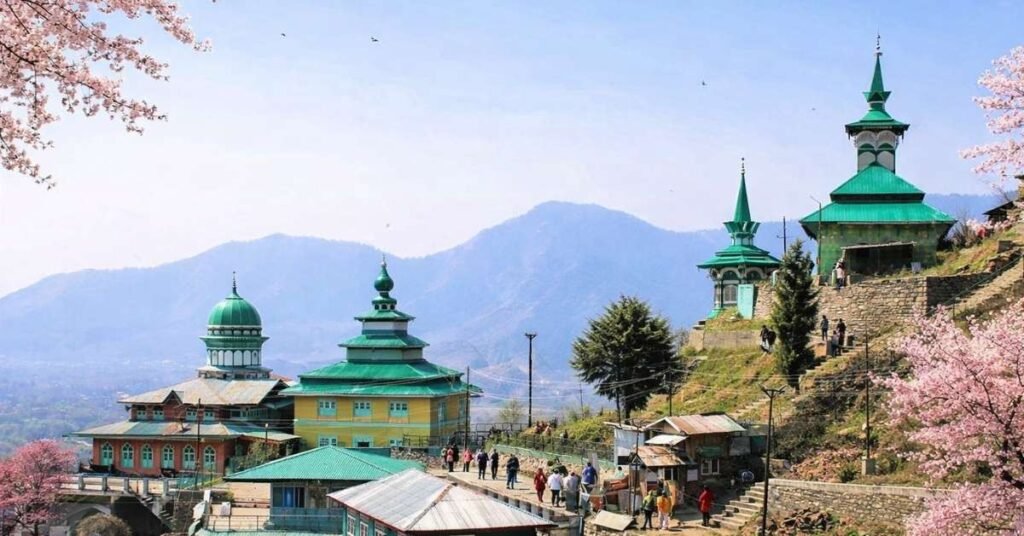
- Aishmuqam Dargah: Located just a few kilometers before Pahalgam, this famous shrine sits high on a hill. You might recognize it from the Bollywood movie Bajrangi Bhaijaan (the “Bhar Do Jholi Meri” song was filmed here). The climb up the stairs offers a great view of the valley.
Pro Tip for Kids: If you are traveling with children, keep an eye out for the local sheep and goats being led by nomadic shepherds (the Bakarwals). They often cross the road with hundreds of animals, which is a very cool sight to see!
Best Time to Visit: A Seasonal Guide
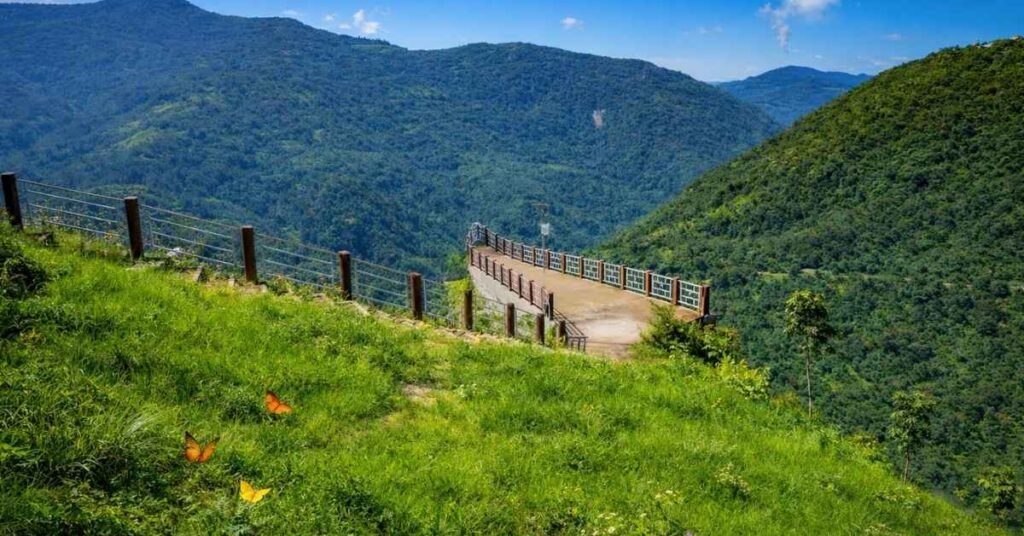
Pahalgam is a place that changes its “look” every few months. Depending on what you want to see—green meadows, orange leaves, or white snow—you should pick your travel dates carefully.
Summer (April to June) – The Best Time
This is when most families visit. The weather is perfect (not too hot, not too cold). The flowers are blooming, and the Lidder River is flowing fast.
- Road Condition: Usually very good and clear.
- What to Pack: Light sweaters for the evenings and cotton clothes for the day.
Monsoon (July to September) – The Greenest Time
During these months, the mountains turn a deep, beautiful green. However, it does rain quite a bit.
- Road Condition: This is the time when landslides can happen. You must be careful and check the weather reports daily.
- Special Event: This is also the time of the Amarnath Yatra. The road will be very busy with pilgrims, and security will be very tight.
Autumn (October to November) – The Gold & Orange Time
If you love photography, come in October! The famous Chinar trees change color from green to bright orange and red. It looks like a painting.
- Road Condition: Clear and easy to drive.
- What to Pack: Heavy sweaters and a good jacket.
Winter (December to March) – The Snow Wonderland
Everything turns white! If you want to see snowfall or try sledding, this is your time.
- Road Condition (Current Alert): As I mentioned earlier, in late January 2026, the roads are currently closed due to heavy snow. Winter travel is beautiful but can be unpredictable.
- What to Pack: Heavy coats, gloves, woollen caps, and waterproof boots.
| Season | Best For… | Temperature |
| Summer | Sightseeing & Trekking | 15°C to 25°C |
| Monsoon | Budget Travelers | 18°C to 30°C |
| Autumn | Photography | 10°C to 20°C |
| Winter | Snow Lovers | -5°C to 10°C |
Essential Travel Checklist for J&K
Traveling to Jammu and Kashmir is a bit different from other parts of India. Because it is a mountain region and a high-security zone, you need a specific checklist to ensure your trip doesn’t hit any “roadblocks.”
Before you leave Jammu, double-check your bag for these five essentials:
- 1. Original ID Cards: You will pass through several security checkpoints on the way to Pahalgam (like Nagrota and Ramban). You must carry your original Aadhar Card, Voter ID, or Passport. Digital copies on your phone might not be accepted if the internet is down.
- 2. Postpaid SIM Card: I cannot stress this enough—Prepaid SIMs from other states do not work in J&K. To use Google Maps, call your driver, or check in with family, you need a Postpaid connection (Jio, Airtel, and BSNL have the best signals).
- 3. Physical Cash: While UPI (like GPay or PhonePe) is common in Jammu city, it can be very unreliable on the highway or in deep valleys where the internet signal is weak. Always keep at least ₹5,000 to ₹10,000 in cash for food, tolls, and emergencies.
- 4. Motion Sickness Medicine: The road between Udhampur and Ramban has many “ghats” (winding curves). If you or your children feel dizzy or sick in cars, take a motion sickness pill 30 minutes before you start the mountain climb.
- 5. Power Bank: Cold weather and searching for network signals drain phone batteries very quickly. Keep a fully charged power bank handy so your phone doesn’t die just when you reach the best photo spots!
Experience Tip: If you are visiting in 2026, keep a small first-aid kit with basic medicines for cold, fever, and stomach aches. Mountain water is pure, but sometimes a change in water can upset your tummy!
Arrival in Pahalgam: What Awaits You
As you finally drive into Pahalgam, the first thing you will notice is the Lidder River flowing right next to the road. The sound of the water and the sight of the tall mountains will make all those hours in the car feel worth it!
However, there are a few “local rules” you need to know the moment you arrive so you don’t get confused:
The Entry Fee (Toll)
When your vehicle enters the Pahalgam zone, you will see a small toll booth.
- Cost: You usually have to pay a small entry fee for the vehicle (around ₹50 to ₹100).
- Betaab Valley Entry: If you go inside Betaab Valley itself, the entry fee has been updated for 2026 to ₹100 per person. Keep your tickets safe!
The “Taxi Union” Rule (Very Important!)
This is the part that surprises many tourists. Your taxi from Jammu or Srinagar is allowed to drop you at your hotel, but it is not allowed to take you for local sightseeing to places like Aru Valley, Betaab Valley, or Chandanwari.
- What you must do: You have to hire a local taxi from the Pahalgam Taxi Union.
- Why? This is a local rule to help the people living in Pahalgam earn a living. The drivers are experts at driving on the narrow, rocky paths of the inner valleys.
Your First Glimpse
Most people like to head straight to the Lidder Waterfront or the local market (Pahalgam Bazaar) for a hot cup of Kahwa (Kashmiri saffron tea) the moment they check into their hotel. It’s the perfect way to relax after the long drive from Jammu.
Frequently Asked Questions (FAQs)
To finish our guide, here are the most common questions people ask when planning their trip from Jammu to Pahalgam in 2026.
Is the Jammu to Pahalgam road open today?
Because the weather in the mountains changes quickly, the road can close due to snow or landslides. As of January 24, 2026, the highway is currently closed due to heavy snow. The best way to check is to look at the official J&K Traffic Police Twitter (X) handle or call the Traffic Control Room (TCU) in Jammu at 0191-2459048.
Is there a direct train from Jammu to Pahalgam?
There is no railway station inside Pahalgam town, but there is big news for 2026! The Jammu-Srinagar rail link (USBRL) is now fully operational. You can now take a train (including the Vande Bharat) from Jammu Tawi to Anantnag. From Anantnag, Pahalgam is just a 45-minute taxi ride away. This is much faster and more comfortable than driving the whole way!
How much does a taxi from Jammu to Pahalgam cost in 2026?
Taxi prices have updated recently. For a one-way drop:
- Sedan (Dzire/Etios): Approximately ₹7,000.
- SUV (Ertiga): Approximately ₹8,000.
- Premium SUV (Innova Crysta): Approximately ₹11,000.
- Note: These prices usually include tolls and fuel, but always ask the driver before you sit down.
Can I do a day trip from Jammu to Pahalgam?
I would not recommend it. Even with the new tunnels, the journey takes many hours. If you go and come back on the same day, you will spend your whole holiday inside a car! It is much better to stay at least two nights so you can see the valleys properly.
What is the entry fee for Betaab Valley in 2026?
The entry fee for the famous Betaab Valley has been revised to ₹100 for adults and ₹50 for children. This money goes toward keeping the park clean and beautiful for everyone.
Are there many petrol pumps on the Jammu-Pahalgam highway?
Yes! There are plenty of petrol pumps in Jammu, Udhampur, Ramban, and Anantnag. However, I suggest filling your tank in Jammu or Udhampur because sometimes the pumps in the smaller mountain towns can run out of fuel during heavy snow seasons.
Conclusion: Enjoy the Journey
The drive from Jammu to Pahalgam is more than just a way to get from Point A to Point B—it is an adventure through some of the most beautiful mountains in India. If you start early, eat some Rajma Chawal at Peera, and keep your Postpaid SIM ready, you are going to have an amazing trip.
Pahalgam is waiting for you with its cool breeze and blue rivers. Drive safe!