The Ultimate Fontainhas Goa Guide: Mapping the Latin Quarter’s Magic
Have you ever walked through a place that felt like a living painting?
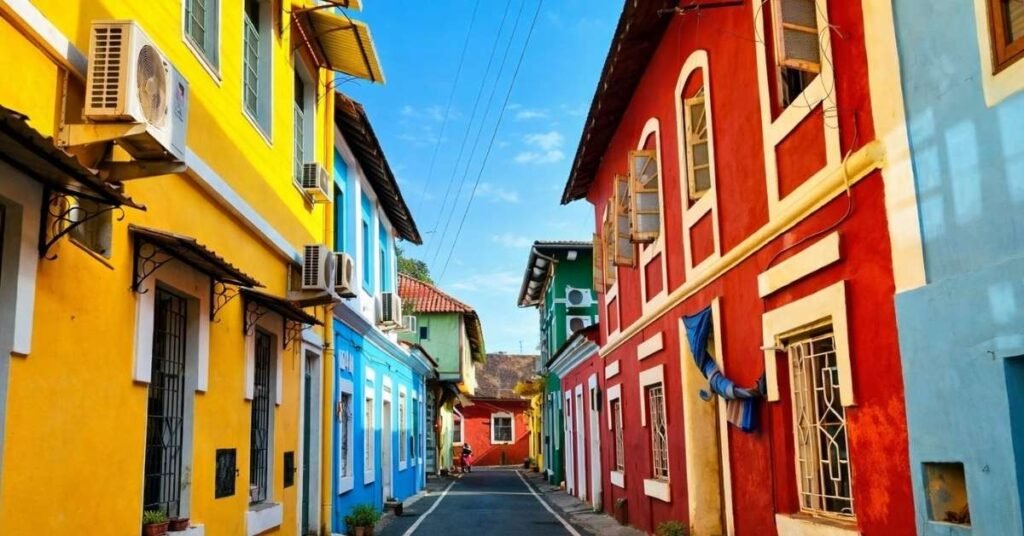
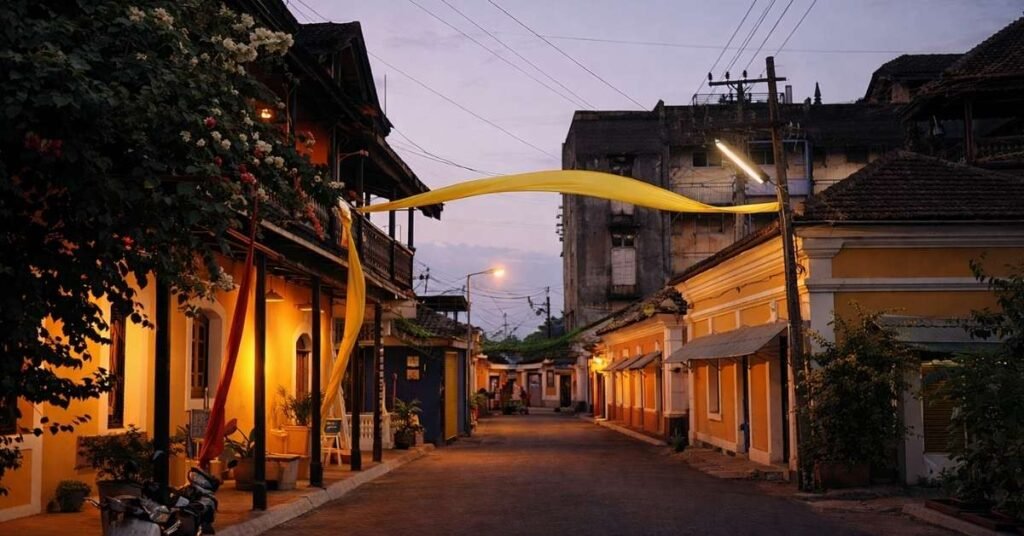
Imagine narrow, winding streets lined with bright lemon-yellow, sky-blue, and deep-red houses. Imagine tiny balconies filled with flowers and white-bordered windows that look like they belong in a fairytale.
Welcome to Fontainhas, the famous “Latin Quarter” of Panjim, Goa.
While most people go to Goa for the beaches and the parties, Fontainhas is for the dreamers. It is the oldest neighborhood in the city and feels more like a quiet village in Portugal or the Mediterranean than a busy Indian town. Here, the air smells like fresh bread from old bakeries, and every corner tells a story from hundreds of years ago.
In this guide, I’m going to show you how to see Fontainhas the right way—not just as a place to take a few photos, but as a place to experience the real soul of Goa.
A Brief History: From Coconut Groves to a UNESCO Buffer Zone
Before we dive into the colorful streets, let’s travel back in time. About 200 years ago, Fontainhas wasn’t full of houses. Instead, it was a massive grove of coconut trees!
It all changed in the late 1700s. A wealthy Portuguese man named Antonio Joao de Sequeira started the area, and later, the government moved here because the old capital (Old Goa) was getting crowded and people were falling sick.
Why are the houses so colorful? Back then, the Portuguese government made a strict rule: every house had to be painted every year after the monsoon. But there was a catch—they weren’t allowed to use white! Only churches were allowed to be white. So, the locals got creative and used bright colors like yellow, red, and blue.
Today, Fontainhas is so special that it is protected as a UNESCO Heritage Buffer Zone. This means the people living here work very hard to keep the old buildings looking exactly like they did centuries ago. When you walk here, you aren’t just on a street; you are walking through a piece of history that is still alive.
Best Things to Do in Fontainhas: More Than Just Pretty Walls
Most people visit Fontainhas, snap a quick selfie, and leave. But to really “see” this place, you need to slow down. Here are the best ways to spend your time in the Latin Quarter:
The Ultimate Self-Guided Photography Walk
The best thing to do is simply get lost! Start your walk near the General Post Office. From there, wander into the side lanes. Look for the famous “Wishing Well” and the houses with tiny roosters on their roofs (these are called Galo de Barcelos, a symbol of honesty and luck).
Step Inside the St. Sebastian Chapel
Located at the end of a narrow lane, this small white church was built in 1818. Inside, you will find a very special crucifix. Unlike most churches where Jesus has his eyes closed, the one here has wide-open eyes. It was designed this way to strike fear into the hearts of people during the historical Inquisitions!
Discover Local Art at Gitanjali Gallery
If you love colors and creativity, stop by this gallery. It’s right next to the Panjim Inn. You can see beautiful paintings by local Goan artists and even find some old Scandinavian lithographs. It is quiet, peaceful, and cool—a perfect break from the afternoon sun.
Shop for Authentic Azulejos
You will see beautiful blue-and-white nameplates on almost every house. These are called Azulejos (hand-painted ceramic tiles). You can buy your own souvenir tiles at local shops like Velha Goa. It’s like taking a piece of Fontainhas home with you.
Join a Heritage Walk with a Local Historian
If you want to hear the “secret” stories of these houses, I highly recommend joining a guided walking tour. Local experts can show you hidden courtyards and explain why some windows are made of shimmering oyster shells instead of glass! (Hint: It was a way to let light in while keeping the heat out before electricity existed).
Visit the Solar Costa Mansions
While many houses are private, some heritage homes allow you to peek into the past. These mansions show you exactly how the Indo-Portuguese families lived, with heavy wooden furniture, grand chandeliers, and high ceilings. It feels like stepping into a movie set from the 1800s.
Listen to Live Fado Music
If you visit in the evening, keep your ears open. Some local venues host Fado performances—this is a soulful, traditional style of Portuguese singing. It is very emotional and beautiful to hear while sitting in a dimly lit café in the heart of the quarter.
Top Photography Spots: How to Capture the “Vibe”
Fontainhas is probably the most photographed place in Goa. But if you want your photos to stand out (and look professional), you need to know exactly where to go. Here are the spots that make everyone on social media stop scrolling:
The Bright Yellow House (Near 31 De Janeiro Bakery)
This is the “poster child” of Fontainhas. The walls are a deep mustard yellow with clean white borders and a dark wooden door. It looks best in the early morning light when the sun isn’t too harsh.
The Wishing Well
Hidden in a small alley, there is a beautifully maintained old well. It is surrounded by colorful houses and hanging plants. It’s a great spot for a wide-angle shot that captures the “village” feel of the neighborhood.
The Blue Lane
There is a specific stretch where almost three houses in a row are painted in different shades of sky blue and indigo. Standing in the middle of this street creates a beautiful “tunnel” effect in your pictures.
Windows and Doors (The Little Details)
Don’t just look at the big buildings! Some of the best photos are of the small things:
- Averell’s traditional nameplates made of blue tiles.
- Ornate balconies with red flowering bougainvillea.
- The “Rooster of Barcelos” statues sitting on the roof edges.
| Feature | Best Time to Shoot | Why? |
| Main Streets | 7:00 AM – 8:30 AM | No cars blocking the view and soft lighting. |
| Cafes & Doors | 4:00 PM – 5:30 PM | The “Golden Hour” makes the colors pop. |
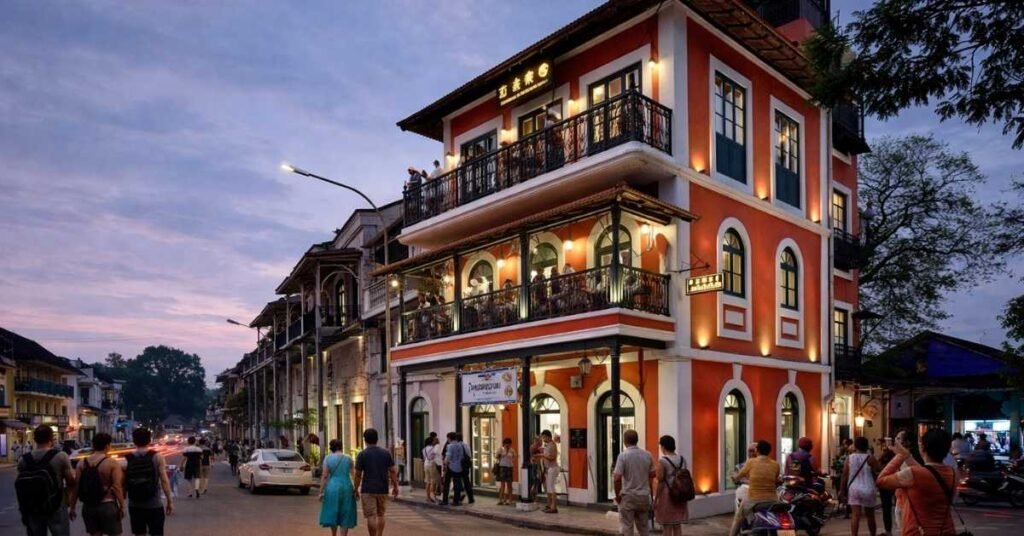
| Night Shots | After 7:00 PM | The street lamps give a romantic, old-world glow. |
Where to Eat: A Culinary Journey Through the Latin Quarter
You can’t visit Fontainhas and not eat! This neighborhood is a food lover’s paradise, where you can find recipes that have been passed down through families for generations.
Iconic Bakeries and Cafes for Breakfast
- Confeitaria 31 De Janeiro: This is one of the oldest bakeries in Goa. You must try their Patis (savory puffs) and Bebinca (a traditional Goan layered dessert). They still use a traditional wood-fired oven, which gives the bread a special flavor you won’t find anywhere else.
Authentic Goan Lunch and Dinner Spots
- Viva Panjim: This famous little restaurant is located in a heritage home. It’s the best place to try Prawn Balchão or Fish Thali. It’s cozy, affordable, and feels like eating at a Goan grandmother’s house.
- The Horse Shoe: If you want a slightly more formal feel but with incredibly authentic Portuguese-Goan flavors, this is your spot. Their Vindaloo is legendary.
Hidden Bars for an Evening Drink
- Joseph Bar: This is a tiny, “hole-in-the-wall” bar that is famous across India. People stand on the street with their drinks because the inside is so small! It’s the perfect place to try local Feni (a Goan spirit made from cashew or coconut) or a chilled craft beer while chatting with locals.
Pro Tip: Many of these places are small and very popular. If you are planning to have lunch at Viva Panjim, try to reach by 12:30 PM to grab a table before the crowd arrives!
Modern Cafes and Hidden Gems
If you want a mix of old charm and modern tastes, Fontainhas has some hidden treasures:
- Teal: This is a secret courtyard cafe. It is very peaceful and serves organic, vegan, and gluten-free food. You can sit under the shade of trees and try their Tender Coconut Cold Brew—it’s super refreshing!
- Caravela Cafe & Bistro: Known for its amazing coffee and all-day breakfast. It’s a great place to sit with a book or your travel journal.
- Bombay Coffee Roasters: If you are a true coffee lover, this is the place to be. It has a cool, artistic vibe and very friendly staff.
Must-Try Goan Snacks and Drinks
| Item | What is it? | Where to find it? |
| Bebinca | A 7-layer traditional pudding. | Confeitaria 31 De Janeiro |
| Feni Cocktail | A drink made from cashew or coconut spirit. | Joseph Bar |
| Serradura | A creamy “sawdust” pudding made with biscuits. | Viva Panjim |
| Kokum Juice | A tangy, pink refreshing fruit drink. | Most local cafes |
Essential Logistics: Planning Your Visit
Getting to Fontainhas is easy, but knowing when and how to visit can make the difference between a crowded, hot walk and a magical experience.
Best Time to Visit (Lighting vs. Crowds)
- The Early Bird (7:00 AM – 9:00 AM): This is the best time for photographers. The streets are empty, the air is cool, and the golden morning sun makes the yellow and red houses glow.
- The Afternoon (1:00 PM – 4:00 PM): It can get very hot, and many shops or bakeries close for a “siesta” (afternoon nap). If you visit now, spend your time inside the Gitanjali Gallery or a cool cafe.
- The Evening (5:00 PM – 8:00 PM): This is when the neighborhood wakes up. The street lamps turn on, locals sit on their balconies, and the bars like Joseph Bar start buzzing with energy.
How to Reach Fontainhas
Fontainhas is located in the heart of Panjim (Panaji), the capital of Goa.
- From North Goa (Calangute/Baga): It is about a 30-40 minute drive. You can take a taxi or a rental scooter.
- From Panjim Bus Stand: It is a very short 10-minute walk or a 2-minute rickshaw ride.
- Parking Tip: Parking inside the narrow lanes of Fontainhas is very difficult and often restricted for residents. It is best to park your vehicle near the Old Secretariat or the Patto Plaza and walk in.
Where to Stay: Boutique Heritage Hotels
To truly feel the vibe, why not stay inside a 200-year-old house?
- Panjim Inn: One of the first heritage hotels in the area. It’s full of antiques and history.
- WelcomHeritage Panjim Pousada: A quiet, beautiful house with a central courtyard.
- Old Quarter by HostelCrowd: A great, budget-friendly option for backpackers who want to stay in the heart of the Latin Quarter.
The “Living Heritage” Etiquette: How to Be a Respectful Tourist
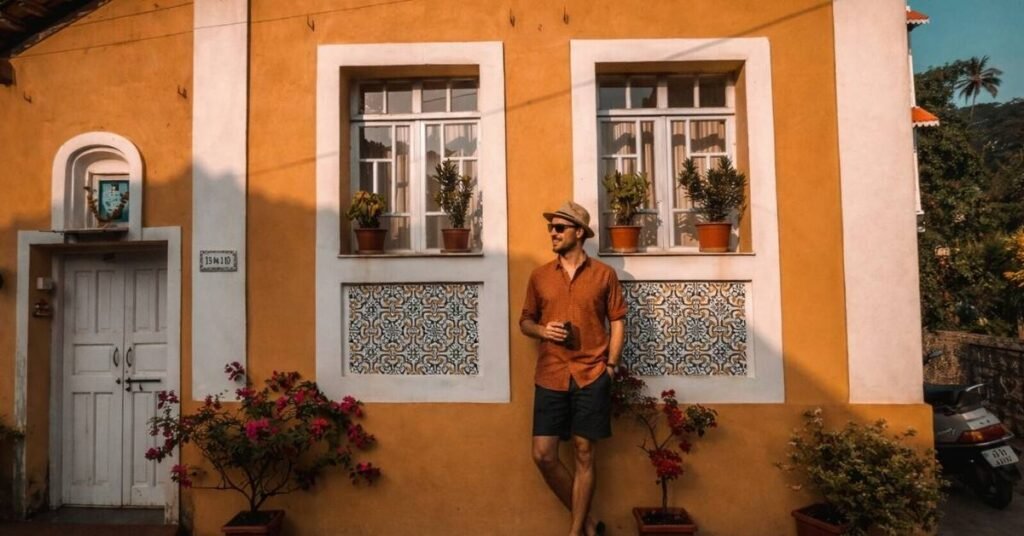
This is the most important part of your visit. While Fontainhas looks like a movie set or a museum, it is actually a living neighborhood. Real people live in these beautiful houses—they are cooking lunch, kids are doing homework, and elderly people are taking their afternoon naps.
In recent years, many residents have become upset because tourists sometimes forget they are in someone’s backyard. To be a “Pro Traveler” and help keep Fontainhas beautiful, follow these simple rules:
- Don’t Climb on Private Steps: That beautiful red staircase might look perfect for a photo, but it belongs to someone’s home. Please stay on the public sidewalk.
- Keep Your Voice Down: Sound echoes in narrow streets. If you are in a large group, try to speak softly so you don’t disturb the residents.
- Ask Before You Snap: If you see a local sitting on their balcony and want to take a picture, a quick smile and a wave (or asking, “May I?”) goes a long way. Most people are very friendly if you show respect!
- Look for “No Photography” Signs: Some houses have put up signs asking people not to take photos of their doors or windows. Please honor their privacy and move to the next house—there are plenty of others to see!
- Don’t Litter: This neighborhood is kept clean by the people who live there. Make sure your water bottles and snack wrappers find a dustbin.
Expert Tip: By being a respectful visitor, you help ensure that Fontainhas stays open and welcoming for everyone. When you treat the area with love, the locals are much more likely to share a smile or a hidden story with you!
Places to Visit Near Fontainhas
Once you’ve explored the colorful lanes of the Latin Quarter, you don’t have to go far to see more of Goa’s beauty. Panjim is full of interesting spots just a few minutes away.
Our Lady of the Immaculate Conception Church
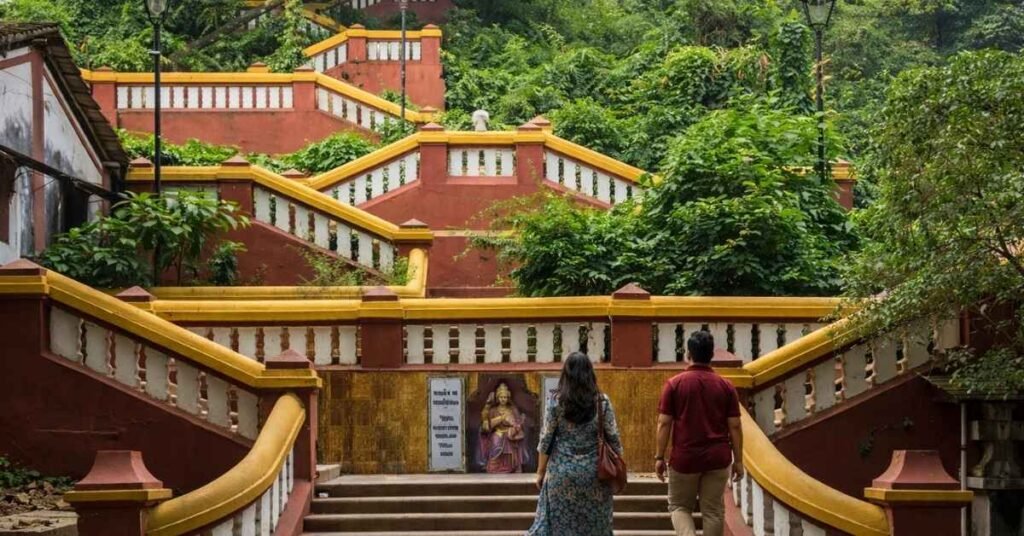
This is the most famous church in Panjim and is only a 10-minute walk from Fontainhas. It is famous for its all-white walls and a grand zigzag staircase that looks like a giant wedding cake!
- Pro Tip: Visit just before sunset. When the lights come on, the church looks like something out of a fairy tale.
Maruti Temple & Altinho Hill
If you want the best view of the city, head up to Altinho Hill. Here you will find the bright orange Maruti Temple (dedicated to Lord Hanuman). From the temple courtyard, you can look down and see the red roofs of Fontainhas and the river in the distance.
Miramar Beach
Only 3 km away, this is where the Mandovi River meets the Arabian Sea. It’s not a “party beach,” but it’s perfect for a long walk on the sand. You’ll see many local families enjoying the evening breeze here.
Dona Paula View Point
About 7 km from Fontainhas, this spot is famous for a romantic legend and a stunning view of the sea. There is a famous statue of a man and a woman, and the jetty is a great place to watch the waves crash against the rocks.
Summary of Nearby Attractions:
| Place | Distance from Fontainhas | Best For… |
| Immaculate Conception Church | 800 meters | Architecture & Photos |
| Maruti Temple | 1 km | City views & Peace |
| Panjim Market | 1.5 km | Shopping for cashews & spices |
| Dona Paula | 7 km | Sunsets & Sea views |
The Mandovi River Front & Cruise
Just a short walk from the edge of Fontainhas is the Mandovi River. In the evening, the riverfront comes alive with lights. You can take a Sunset River Cruise here. It’s a fun experience with local Goan folk dances and music performed on the deck while you sail past the city lights.
Panjim Municipal Market
If you want to see where the locals shop, head to the main market. It is a sensory explosion! You can find everything here:
- Fresh Spices: Huge sacks of cinnamon, cloves, and peppercorns.
- Goan Cashews: Roasted, salted, or plain—they make the best souvenirs.
- Local Fruits: Depending on the season, look for the famous Mancurad mangoes.
Custom’s Museum (Blue Building)
Located right on the riverfront, this bright blue building is actually the National Museum of Customs & Central Excise. Even if you don’t go inside, the building itself is a stunning example of colonial architecture and makes for a great photo.
Azad Maidan
This is a historic open square in the center of Panjim. It features a beautiful pavilion with tall pillars and is a peaceful place to sit and watch the city go by. It’s also home to a memorial for the freedom fighters of Goa.
Conclusion: Is Fontainhas Worth a Visit in 2026?
The answer is a loud and clear yes! Fontainhas is more than just a place to take colorful photos for your Instagram. It is one of the few places left in Goa where time seems to have slowed down. Whether you are a history lover, a foodie looking for the perfect Bebinca, or just someone who loves wandering through beautiful streets, the Latin Quarter has something for you.
By visiting Fontainhas, you aren’t just seeing a tourist spot; you are supporting a community that works hard to keep its culture alive. Just remember to walk slowly, eat locally, and respect the privacy of the people who call these colorful houses home.
Goa has many faces, but the quiet, artistic, and soulful face of Fontainhas is one you will never forget.
Frequently Asked Questions (FAQ)
To help you plan the perfect trip, here are the answers to the most common questions people ask about visiting Fontainhas:
Is there an entry fee for Fontainhas?
No, there is no entry fee to walk around the neighborhood. It is a public residential area. However, if you visit certain private museums or join a guided walking tour, there will be a separate cost.
How much time do I need to explore the Latin Quarter?
Most visitors spend about 2 to 3 hours here. This gives you enough time to walk the main streets, take photos, visit the St. Sebastian Chapel, and enjoy a coffee at a local bakery.
Is Fontainhas open on Sundays?
Yes, the streets are always open! However, keep in mind that many small local shops and family-run bakeries might be closed or have shorter hours on Sundays. The area is also much quieter on Sunday mornings.
Can I take professional pre-wedding photos here?
Yes, but you should be very careful. While many couples choose this as a location, some residents have started charging a small fee for shooting in front of their private houses, and some areas have “No Photography” signs. It is always best to hire a local photographer who knows the current rules.
What is the best day to visit? Weekdays (Monday to Thursday)
are the best because there are fewer tourists. On Saturdays and Sundays, the narrow lanes can get very crowded with people taking selfies, which makes it harder to get clean photos.