The Ultimate Guide to Darcha: Gateway to Zanskar & Beyond
Have you ever dreamed of a place where the mountains touch the sky and the air is so fresh it feels like magic? Well, let me introduce you to Darcha.
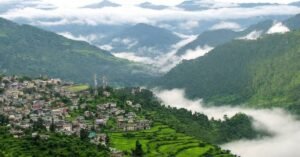
Darcha is a tiny, beautiful village tucked away in the Lahaul Valley of Himachal Pradesh. For a long time, it was just a quiet spot where travelers would stop for a quick tea while driving from Manali to Leh. But today, things are changing!
Darcha is becoming a superstar on the Indian travel map. It is no longer just a “passing point.” It is now the gateway to the hidden land of Zanskar and a dream destination for people who love camping, trekking, and big mountain views. Whether you are a biker on a Royal Enfield, a family on a road trip, or a trekker with a backpack, Darcha has something special waiting for you.
In this guide, we will explore everything about this amazing place—from its famous giant bridge to the secret paths that lead to ancient monasteries.
Where is Darcha Located?
Darcha is located in the northern part of Himachal Pradesh, in a region called Lahaul. If you look at a map, it sits right on the famous Manali-Leh Highway.
Because it is high up in the Himalayas, the air is thin and the scenery is spectacular. To give you an idea of how high it is, Darcha sits at an altitude of about 11,020 feet (3,360 meters). That is much higher than most hill stations!
Here is a quick look at how far Darcha is from other popular spots:
| From | Distance (Approx.) | Time Taken |
| Keylong | 30 km | 1 hour |
| Jispa | 7 km | 15 minutes |
| Manali | 100 km | 3 to 4 hours |
| Atal Tunnel | 75 km | 2 hours |
The village is located at the spot where two mountain streams—the Yotse Chu and the Zanskar Chu—meet to form the Bhaga River. This makes the landscape look like a painting, with grey mountains, a sparkling river, and a deep blue sky.
Why Darcha is Famous: The Iconic Darcha Bridge
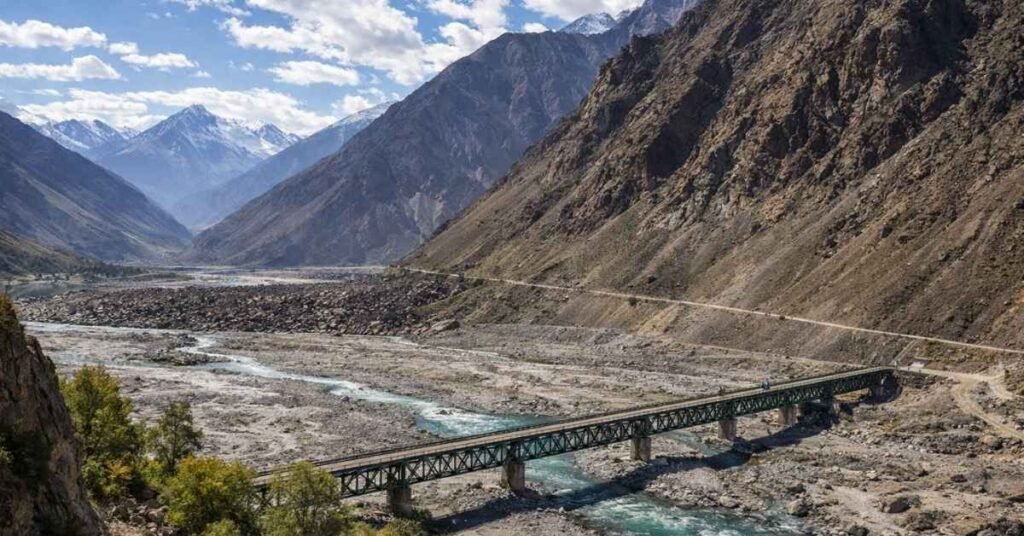
If there is one thing everyone remembers about Darcha, it is the Darcha Bridge. For many years, there was a small, old bridge here, but in 2020, a brand-new giant was built.
This bridge is a “Steel Truss Bridge,” and it is a masterpiece of Indian engineering. It is 360 meters long, making it the longest bridge of its kind in Himachal Pradesh.
Why is it so important?
- A Strong Link: It allows heavy trucks and army vehicles to cross the Bhaga River safely, even during bad weather.
- The “Selfie” Spot: Almost every traveler stops here to take a photo. The contrast of the bright steel against the dusty brown mountains is incredible.
- The View: When you stand near the bridge, you can hear the loud roar of the Bhaga River flowing right underneath you. It is a great place to feel the power of nature.
The bridge isn’t just for cars; it represents the hard work of the Border Roads Organization (BRO), the heroes who keep these high-altitude roads open for us.
The New Road: Darcha to Padum via Shinku La
For a long time, the only way to get from Darcha to the hidden land of Zanskar was by walking for many days. But now, there is an exciting new road that has changed everything!
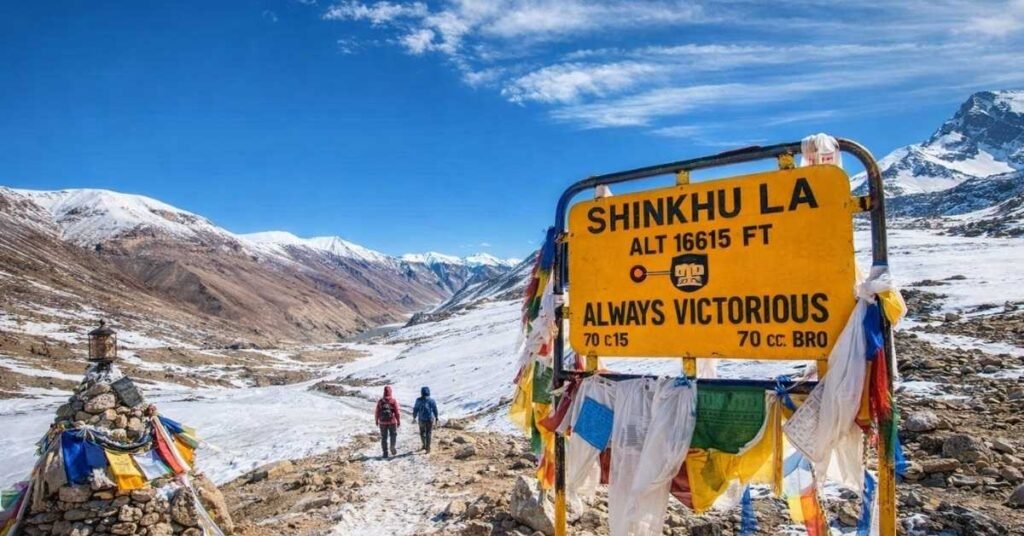
This road connects Darcha to Padum (the main town in Zanskar) by crossing a very high mountain pass called Shinku La.
Why This Road is Special:
- The Shortcut: It is part of the new Nimmu-Padum-Darcha (NPD) road. This will eventually be the third way to reach Leh, and it is much shorter than the old routes.
- The Shinku La Tunnel: The government is working on a tunnel under the Shinku La pass. Once it is finished, it will be the highest tunnel in the world!
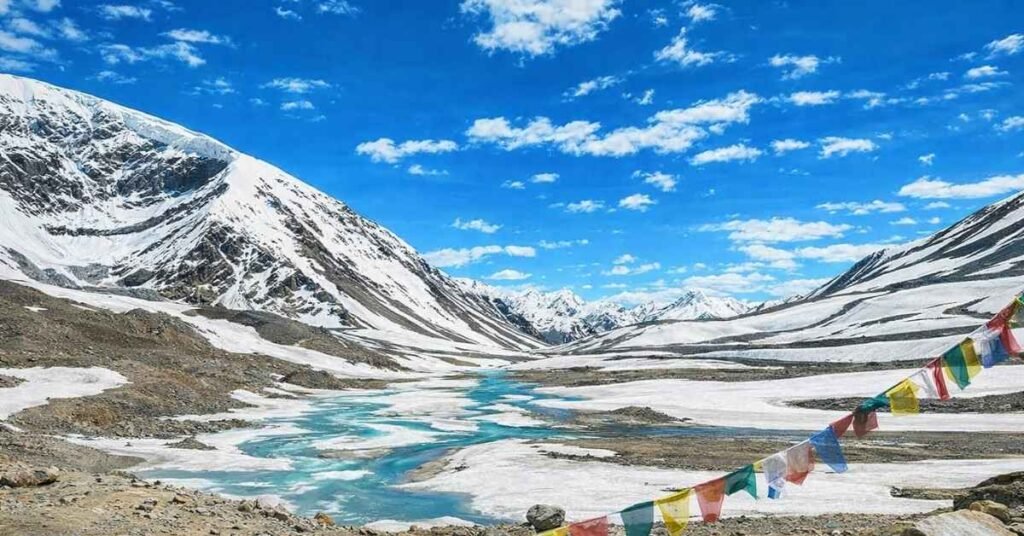
- Adventure for Bikers: This road is a favorite for adventure seekers. You get to see massive glaciers and frozen lakes right next to the road.
Traveler Note: Currently, this road is mostly a dirt track with some rough patches. If you are driving, a car with high ground clearance (like an SUV) is much better than a small city car.
Things to Do in Darcha
Most people think Darcha is just a place to drive through, but if you stay for a few hours or even a night, you will find some very cool things to do. It is the perfect place to slow down and enjoy the quiet side of the Himalayas.
- River Side Camping: This is the best thing to do in Darcha. There are many spots near the river where you can set up a tent. Imagine falling asleep to the sound of the Bhaga River and waking up to see the sun hitting the mountain tops!
- Take an “Acclimatization Walk”: Because Darcha is very high, your body needs time to get used to the thin air. Walking slowly around the village or along the river bank helps your lungs adjust before you go even higher toward Leh.
- Visit the River Confluence: Just a short walk from the main road, you can see the exact spot where the Janskari Nala (stream) meets the Bhaga River. The water is freezing cold, but it looks beautiful.
- Stargazing: Since there are very few streetlights or big buildings, the night sky in Darcha is filled with millions of stars. On a clear night, you can even see the Milky Way with your own eyes!
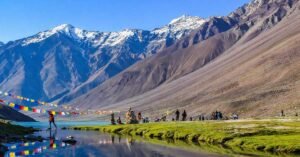
- Photography: Whether it’s the massive Darcha Bridge, the colorful prayer flags fluttering in the wind, or the local Lahauli houses, every corner of Darcha is a great photo opportunity.
The Legendary Darcha-Padum Trek
For many years, Darcha has been famous around the world for one specific thing: the Darcha-Padum Trek. This is one of the most classic trekking routes in the Indian Himalayas. It takes you from the green and rocky Lahaul Valley into the ancient, Buddhist land of Zanskar.
Even though the new road now exists, many people still choose to walk this path to experience the raw beauty of the mountains.
What Makes This Trek Special?
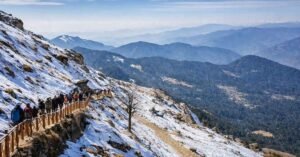
- Shingo La Pass: The biggest challenge of the trek is crossing the Shingo La Pass, which is over 16,500 feet high! It is a place of snow, ice, and colorful prayer flags.
- Ancient Culture: As you walk, you pass through tiny villages where life hasn’t changed much in hundreds of years. You will see beautiful stone houses and friendly local people.
- Phuktal Monastery: One of the highlights of this route is a visit to the Phuktal Monastery. It is built inside a giant cave on a cliffside and looks like a honeycomb!
- Starry Nights: Since you are far away from any towns, the campsites are incredibly peaceful.
Trek Quick Facts:
- Difficulty: Moderate to Hard (You need to be fit!)
- Duration: Usually takes 9 to 12 days.
- Best Time: July to September, when the snow on the pass has melted enough to walk.
How to Reach Darcha
Getting to Darcha is a beautiful journey, whether you are coming from the lush valleys of Manali or the high deserts of Ladakh. Since the opening of the Atal Tunnel, reaching this part of the mountains has become much faster and safer.
By Personal Vehicle (Car or Bike)
This is the most popular way to visit. Most travelers start from Manali.
- You will drive through the Atal Tunnel, which saves you hours of climbing over the Rohtang Pass.
- After the tunnel, you pass through the towns of Sissu, Keylong, and Jispa.
- The roads are mostly paved and smooth, making it a fun drive for bikers and car enthusiasts.
By Bus (HRTC)
If you are on a budget, the Himachal Road Transport Corporation (HRTC) is your best friend.
- You can take a bus from Manali heading towards Keylong.
- From Keylong, there are local buses that go further north toward Darcha and even toward Leh (during the summer months).
- Tip: Always check the bus timings at the Keylong bus stand a day in advance!
By Shared Cab
In Keylong, you can find shared taxis (usually Sumos or Boleros) that take locals and travelers to Darcha. This is a great way to meet people and travel like a local.
Best Time to Visit Darcha
Because Darcha is located in a high-altitude desert, the weather here is very different from the plains. The village is only accessible for a few months of the year, so timing your trip is very important.
Summer (May to September): The Best Time
This is the “Golden Window” for visiting Darcha.
- May and June: This is when the roads finally open after the long winter. You will see massive walls of snow on the way! The weather is cool during the day and cold at night.
- July and August: The valleys become slightly green, and the flowers start to bloom. It is the best time for trekking and camping. Even if it rains in Manali, Darcha usually stays dry because it is in a “rain shadow” area.
- September: The skies are crystal clear and blue. This is a favorite month for photographers because the colors of the mountains look very sharp.
Winter (October to April): The Frozen Land
During these months, Darcha turns into a snowy wonderland, but it becomes very hard to visit.
- Heavy Snow: The roads beyond Keylong often close due to heavy snowfall on the high passes.
- Extreme Cold: Temperatures can drop to -20°C! Most of the small dhabas and guesthouses close down as locals move to warmer places.
- Black Ice: In early winter (October/November), the roads become very slippery and dangerous for driving.
| Season | Months | Road Status | What to Expect |
| Peak | June – Aug | Open | Best weather, great for camping. |
| Shoulder | Sept – Oct | Open | Cold nights, clear skies, less crowd. |
| Off-Season | Nov – April | Closed | Heavy snow, freezing cold, no tourists. |
Where to Stay in Darcha
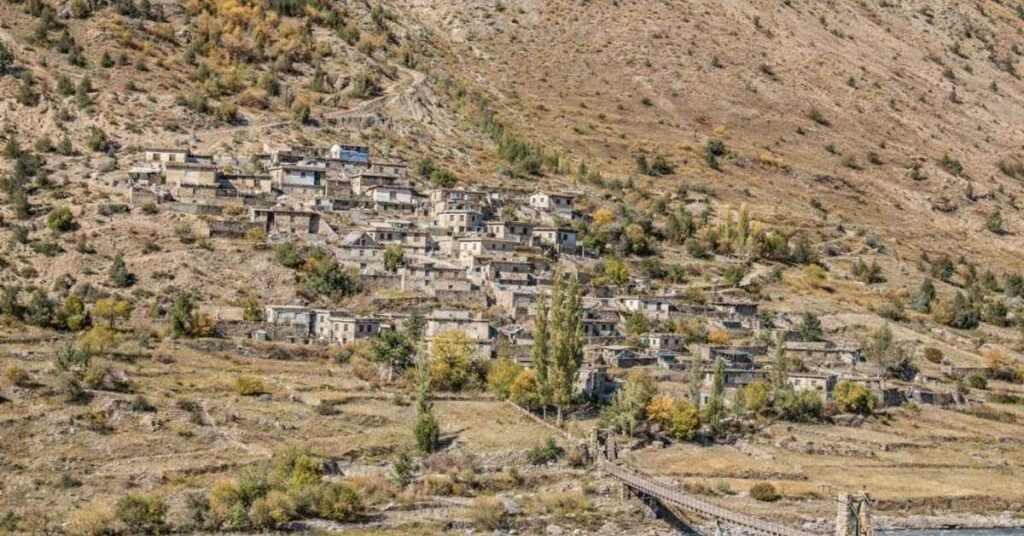
Years ago, Darcha only had a few dusty tents for truck drivers. But today, because so many people want to see the bridge and the new road to Zanskar, there are much better places to stay!
Here are your options for a cozy night in the mountains:
- Homestays: This is the best way to see how people live in the Himalayas. You can stay in a local Lahauli home, eat homemade food like Thukpa or Siddu, and learn about their culture.
- Tented Campsites: If you want to be close to nature, look for the campsites near the river. These tents usually have comfortable beds and attached bathrooms, so it’s “luxury camping” (often called glamping).
- Guest Houses: There are a few simple concrete buildings with basic rooms. They are clean, affordable, and perfect if you just need a place to sleep before heading toward Leh or Padum the next morning.
- Nearby Jispa: If you can’t find a room in Darcha, the town of Jispa is only 15 minutes away. Jispa has bigger hotels and many more luxury camps.
Food and Dining: What to Eat?
When you are high up in the mountains, nothing feels better than a steaming bowl of hot food. Since Darcha is close to Tibet and Ladakh, the food here is a wonderful mix of local Himachali flavors and Tibetan dishes.
Must-Try Dishes in Darcha:
- Thukpa: This is a warm, hearty noodle soup filled with vegetables (and sometimes meat). It is like a big hug in a bowl!
- Momos: These are tasty dumplings steamed to perfection. In Darcha, you will find them served with a spicy red chutney that will wake up your taste buds.
- Siddu: A famous Himachali dish! It is a soft, steamed bread often stuffed with a paste of nuts or poppy seeds and eaten with lots of desi ghee (clarified butter).
- Maggi: You haven’t truly traveled in the Himalayas if you haven’t eaten “Pahadi Maggi” at a roadside dhaba. It somehow tastes 10 times better here!
- Butter Tea: Locally called Gud Gud Chai, this tea is salty instead of sweet and is made with yak butter. It helps keep your skin from getting dry in the cold air.
Where to Eat?
In Darcha, you won’t find big, fancy restaurants. Instead, you will find small, cozy Dhabas. These are roadside eateries run by friendly locals.
Pro Tip: If you are heading further north toward Leh, make sure to eat a heavy meal in Darcha. The next few hours of driving won’t have many places to stop for food!
Essential Travel Tips
Traveling to high-altitude places like Darcha is exciting, but you need to be smart and prepared. Here are some tips to make sure your trip is safe and smooth:
- Handle the Altitude (AMS): Darcha is very high. If you feel a headache or dizziness, it might be Altitude Mountain Sickness. Drink plenty of water, don’t run around too much on your first day, and rest well.
- Mobile Network: BSNL works best here, and sometimes Airtel has a signal near the bridge. However, don’t expect fast 5G internet! It is better to download your maps and tell your family you might be offline for a while.
- Permits: Indian tourists do not need a special permit to visit Darcha. However, if you are a foreign traveler heading toward Padum or Leh, you might need an Inner Line Permit (ILP). Keep your Aadhaar card or Passport handy just in case.
- Last Petrol Pump: This is very important! The last petrol pump is in Tandi (near Keylong). Make sure your tank is full before you reach Darcha, especially if you are heading toward Zanskar or Leh.
- Cash is King: There are no ATMs in Darcha. The nearest ATM is in Keylong, and it often runs out of cash. Carry enough physical money for your food, stay, and fuel.
- Pack in Layers: Even in summer, the wind in Darcha can be very cold. Wear layers so you can take off a jacket when it’s sunny and put it back on when the sun goes down.
Darcha vs. Jispa: Which is Better for a Night Stay?
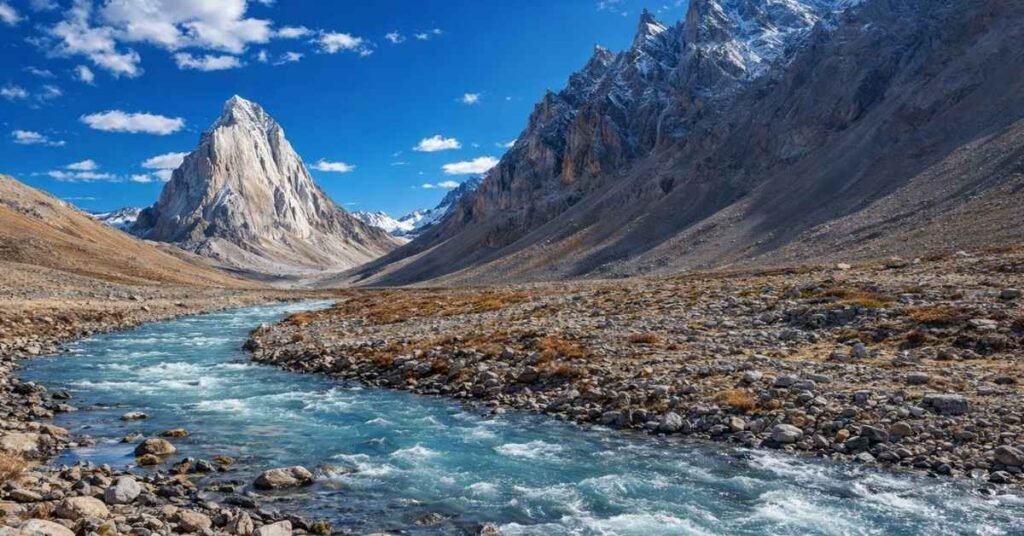
When travelers head toward Leh, they often face a tough choice: should they stop in Jispa or drive just 7 km further to Darcha? Since they are so close to each other, it might seem like they are the same, but each village has its own special personality.
Here is a simple breakdown to help you pick the perfect spot for your night in the mountains:
| Feature | Jispa | Darcha |
| The Vibe | More popular and slightly “touristy,” but very beautiful. | Raw, wild, and very quiet. It feels like the edge of the world. |
| Places to Stay | Many hotels, luxury camps, and even hostels for backpackers. | Mostly authentic homestays and basic riverside campsites. |
| The Altitude | 10,500 feet. This is slightly lower and better for your first night. | 11,020 feet. It is a bit higher and colder at night. |
| Food & Shops | More cafes and even a small museum to visit. | Simple roadside dhabas serving local, hearty meals. |
| The Crowd | You will see many other travelers and groups here. | You might be the only group in your campsite! |
Why Choose Jispa?
Jispa is famous for its wide, open valley and beautiful river views. Because it is a few hundred feet lower than Darcha, it is slightly warmer. If you are traveling with family or want a room with a hot shower and a proper bed, Jispa has more “fancy” options. It’s the safe, comfortable choice.
Why Choose Darcha?
Darcha is for the true adventurer. While Jispa is getting crowded with new hotels, Darcha remains peaceful. It is the best place if you want to be the first person on the road to Shinku La or Leh the next morning. If you want to sit by a campfire with just the sound of the wind and the rushing river, Darcha is much better than Jispa.
The Verdict:
- Stay in Jispa if you want comfort, better mobile signals, and a more social atmosphere.
- Stay in Darcha if you want to escape the crowds, save a little money on local homestays, and experience the “raw” Himalayas.
Frequently Asked Questions (FAQs)
Traveling to a remote place like Darcha can bring up many questions. Here are the most common things travelers want to know before they go:
Is Darcha open in December?
No, Darcha is usually not open for tourists in December. While the Atal Tunnel keeps the road to Keylong open, the stretch beyond Jispa to Darcha often gets blocked by heavy snow and “black ice” (slippery frozen water on the road). It is best to visit between May and October.
How far is Darcha from the Atal Tunnel?
It is about 75 kilometers from the North Portal of the Atal Tunnel. The drive is very beautiful and takes around 2 hours because the roads are generally in good condition.
Can I see snow in Darcha in June?
Yes! Even though it is summer in India, you can still find patches of snow near the river in Darcha in early June. If you want to see “walls of snow,” you can drive a bit further toward Baralacha La, where snow stays almost all year round.
Is it safe to travel alone to Darcha?
Yes, Darcha is very safe for solo travelers, including solo female travelers. The local Lahauli people are very kind and helpful. However, since the area is remote and the altitude is high, always let someone know your travel plans and carry enough water and warm clothes.
What is the altitude of Darcha in feet and meters?
Darcha is located at an altitude of approximately 11,020 feet, which is about 3,360 meters above sea level.
Conclusion
Darcha is much more than just a quick stop on a map. It is a place where the air is pure, the mountains are tall, and the adventures are endless. Whether you are standing in awe of the Darcha Bridge, starting the legendary Darcha-Padum Trek, or just enjoying a warm bowl of Thukpa by the river, this village will stay in your heart forever.
As the new road through Shinku La brings more people to this hidden corner of Himachal, Darcha is slowly turning from a quiet village into a must-visit destination. If you love the feeling of being “off-the-beaten-path” but still want to see the incredible engineering of modern India, Darcha is waiting for you.
So, pack your warmest jacket, charge your camera, and get ready for the trip of a lifetime. The mountains are calling—are you ready to answer?