The best mountain places in India include Leh-Ladakh, Manali, Coorg, Munnar, Auli, Tawang, Shillong, Gulmarg, Gangtok, and Chopta. Each destination offers a completely different mountain personality, from high-altitude desert plains to tropical misty tea hills.
I have spent over a decade traveling through Indian mountain terrain, from the bone-dry ridges of Ladakh to the cloud-soaked valleys of Meghalaya. That experience has taught me one thing: India does not have one kind of mountain. It has dozens.
Most travel lists recycle the same five names. This guide does not do that.
Whether you are chasing snow, silence, adventure, or just clean air and a hot cup of tea, the best mountain places in India have something that flatlands simply cannot offer. This list covers all of it, verified from personal visits, with real transit details and honest costs.
The Green Side of the Himalayas Nobody Talks About: South India’s Misty Mountain Towns
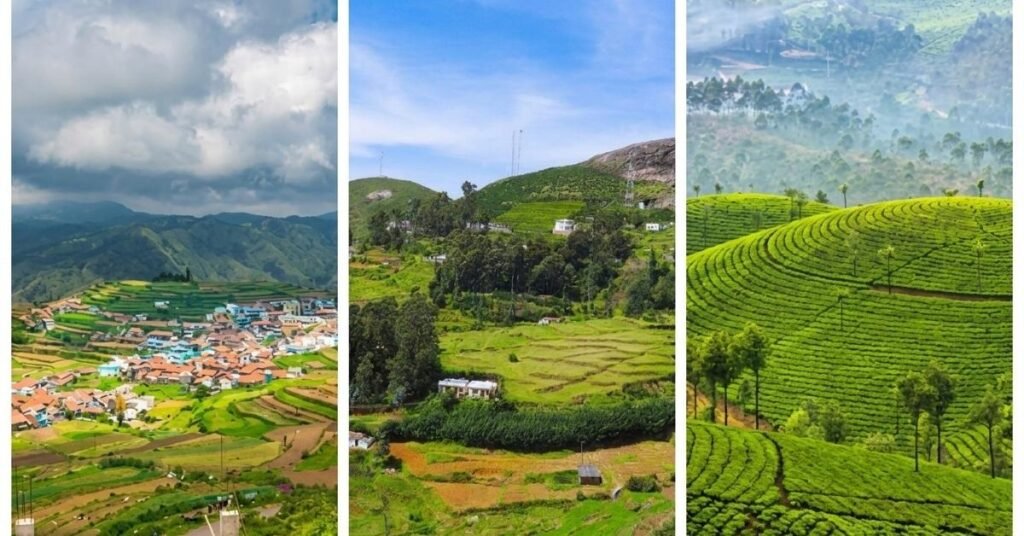
Most people think mountains in India means the North. Snow, Himalayas, altitude sickness. I thought the same thing until I drove up to Munnar at 6 AM and watched an entire valley turn gold as the fog lifted over the tea gardens. South Indian mountains hit differently.
They are greener, warmer, and far less crowded than their northern counterparts. The air smells like eucalyptus and fresh rain. And the tea is always better when you are standing next to the garden it came from.
Munnar, Kerala: Where Every Hillside Is a Tea Garden
Munnar sits at around 1,600 metres above sea level in Kerala’s Idukki district. The town itself is small, but the landscape around it is enormous.
The Kanan Devan Hills Plantations, locally known as KDHP, manage a massive stretch of tea estates here. Visiting their tea museum gave me a clear picture of how Kerala’s tea industry actually works, from plucking to packaging. It is one of the most underrated cultural experiences in South India.
The roads to Munnar from Kochi take around 4 hours by cab. Budget roughly Rs. 1,500 to Rs. 2,000 for a one-way taxi. The best time to visit is between September and March.
Ooty, Tamil Nadu: The Classic Hill Station That Still Delivers
Ooty gets called overrated a lot. I disagree.
Yes, it is busy during summer. But if you visit between November and January, the Nilgiri hills around Ooty feel genuinely calm. The Nilgiri Mountain Railway, a UNESCO World Heritage train ride, is not just a tourist gimmick. The views from that toy train window stayed with me longer than most five-star experiences.
Here are the top three things I recommend doing in Ooty:
- Take the Nilgiri Mountain Railway from Mettupalayam to Ooty. Book tickets at least two weeks in advance through the IRCTC portal.
- Walk through the Government Botanical Gardens in the early morning before the crowds arrive.
- Drive out to Pykara Lake and waterfall, roughly 20 km from town, for a quieter version of the Ooty experience.
Ooty is well connected by road from Coimbatore, which has a major airport. The drive takes about 2.5 hours.
Kodaikanal, Tamil Nadu: For When You Want the Mountain to Yourself
Kodaikanal is quieter than both Munnar and Ooty, and that is exactly why I keep going back.
At 2,133 metres, it is one of the highest towns in South India. Kodaikanal Lake at the centre of town is perfect for an early morning walk. The road to Pillar Rocks and Green Valley View offer some of the most dramatic drop-offs I have seen anywhere in the country.
The nearest airport is Madurai, roughly 120 km away. A cab from Madurai costs around Rs. 1,800 to Rs. 2,200 one way.
South India’s mountain towns will not give you glaciers. But they will give you greenery, warmth, and a slower pace that the North rarely offers.
These Classic Hill Stations Still Have Magic in Them (If You Know When to Go)
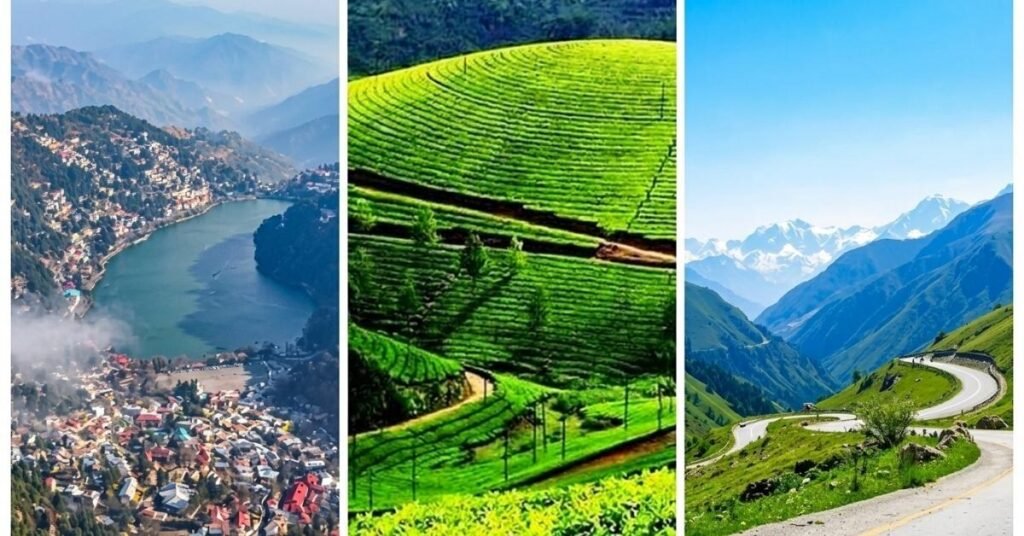
Popular does not always mean overcrowded. It just means you need a smarter plan. Manali, Darjeeling, and Nainital have been on every Indian travel list for decades, and for good reason. I have visited all three more than once, and each time I find something that justifies the hype, as long as I time it right.
Manali, Himachal Pradesh: Arrive Before the Crowd Does
Manali is one of the most visited hill stations in India, and during peak summer it shows. Mall Road gets packed, hotels double their prices, and the Solang Valley parking lot looks like a highway toll booth.
My fix is simple: arrive in late September or early October. The tourist rush has cleared, the apple orchards are full, and the light on the Beas River in the morning is something photographs cannot fully capture.
When I need to slow down in Manali, I go to Dylan’s Toasted & Roasted Coffee, a small cafe that has become something of a quiet institution among long-term travellers and backpackers. The coffee is honest and strong, and the vibe is unhurried. It is the kind of place where you sit down for thirty minutes and leave two hours later.
Manali is accessible by overnight Volvo buses from Delhi, which cost roughly Rs. 800 to Rs. 1,500. The nearest airport is Bhuntar, about 50 km away, with limited flights from Delhi.
Darjeeling, West Bengal: The Early Morning Trick That Changes Everything
Darjeeling is famous for Tiger Hill sunrise views and Darjeeling tea. Both are worth the hype. The crowds, however, are not.
The one travel hack that genuinely works here: book a hotel within walking distance of Tiger Hill and go up at 4 AM on a weekday, not a weekend. By the time the tour buses arrive, you will already be on your second cup of tea watching the light shift over Kangchenjunga.
Here is how to reach Darjeeling:
- Nearest airport: Bagdogra Airport (IXB), approximately 88 km from Darjeeling town
- From Bagdogra, shared taxis to Darjeeling cost around Rs. 300 to Rs. 400 per person
- Private cabs cost roughly Rs. 2,000 to Rs. 2,500 one way
- The historic Darjeeling Himalayan Railway toy train is also an option from New Jalpaiguri station
Nainital, Uttarakhand: Skip July, Thank Yourself Later
Nainital in July is a lesson in patience. The rains are heavy, the roads get unstable, and Naini Lake disappears into the fog for days at a time.
Visit instead in November or March. The lake is clear, the Mall Road is walkable without shoulder-to-shoulder crowds, and accommodation rates drop by nearly 40 percent.
The nearest airport is Pantnagar, around 65 km away. Most travellers take a cab from Kathgodam railway station, which is well connected to Delhi and Lucknow.
These three destinations earned their reputation honestly. Respect their seasons and they will reward you with the experience everyone talks about but few actually get.
Not Sure Where To Go!
Let our Random Country Generator help you discover your next perfect destination.
Use Our Free ToolThese Three Mountain Destinations Are Not on Most Radar Screens Yet
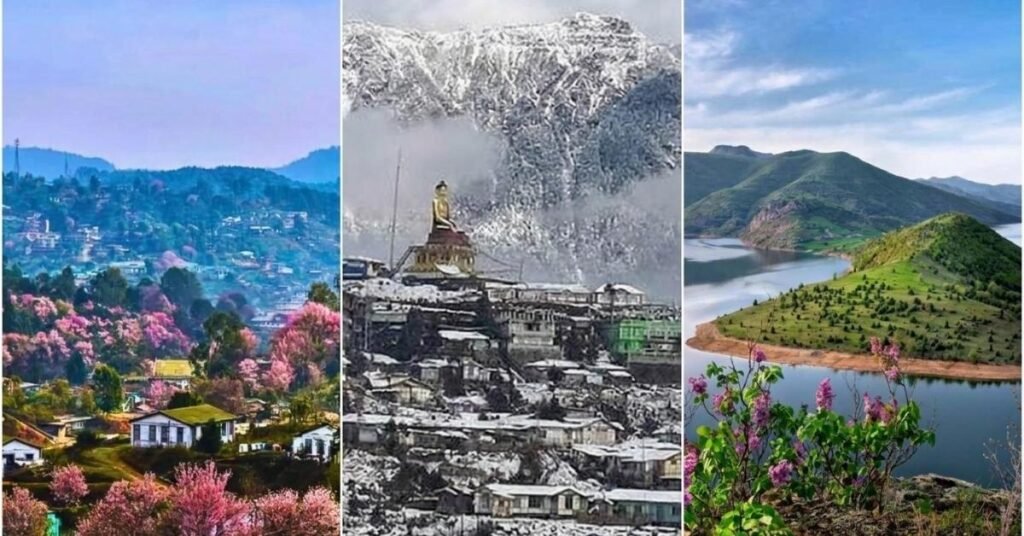
Offbeat does not mean uncomfortable. It means you get the mountain experience without the noise, the inflated hotel prices, and the bumper-to-bumper traffic. These three destinations are where I send friends who have already done Manali and Shimla and want something that feels genuinely undiscovered.
Jibhi, Himachal Pradesh: The Fairytale Village That Instagram Has Not Ruined Yet
Jibhi sits in the Tirthan Valley and looks like something out of a storybook. The wooden cottages here are built in traditional Himachali style, with slate roofs, carved balconies, and small rivers running right outside the window.
What makes Jibhi special is the silence. There is no Mall Road. No honking. No souvenir shops every ten metres. Just forests, cold water streams, and the occasional sound of cowbells in the distance.
I stayed in a wooden homestay here for four nights and barely checked my phone. The nearest town with an ATM is Banjar, about 12 km away, so carry cash before you arrive.
Tawang, Arunachal Pradesh: A Place That Asks You to Slow Down
Tawang is one of the most spiritually significant destinations in Northeast India. The Tawang Monastery, founded in the 17th century, is the largest monastery in India and the second largest in the world. Walking through its prayer halls in the early morning, with monks chanting and butter lamps burning, is an experience that stays with you long after the trip ends.
The drive from Guwahati to Tawang takes roughly 14 to 16 hours across mountain roads. It is long, but the route through the Sela Pass at 4,170 metres is one of the most dramatic drives I have done anywhere in the country. Inner Line Permit is required for all non-Arunachal residents and can be arranged online or at the district office.
Shillong, Meghalaya: The Scotland of the East With a Lake to Prove It
Shillong carries its nickname proudly. The rolling green hills, the colonial architecture, and the consistently cool weather make it feel unlike anywhere else in Northeast India.
Umiam Lake, about 15 km from the city centre, is the kind of place where you park the car, sit on the bank, and do absolutely nothing for an hour. It is a large reservoir surrounded by pine-covered hills and it is genuinely calming.
First-hand Transit Guide
| Destination | Nearest Major Transit Hub | Approx. Distance | Recommended Mode |
| Jibhi | Bhuntar Airport, Kullu | 65 km | Cab or local bus |
| Tawang | Lokpriya Gopinath Bordoloi Airport, Guwahati | 540 km | Cab via Sela Pass |
| Shillong | LGBI Airport, Guwahati | 100 km | Shared cab or private taxi |
Final Thoughts on Choosing Your Mountain Escape
The best mountain places in India do not come in one size. Leh and Auli are for those who want altitude and adrenaline. Munnar and Jibhi are for those who want quiet and green. Darjeeling and Gangtok work beautifully for families who want comfort with scenery.
My honest advice: match the destination to your energy, not just your schedule.
Whatever you choose, pack in layers. Temperatures in mountain regions can shift by 15 degrees between morning and afternoon. Above 3,000 metres, altitude sickness is real. Ascend slowly, stay hydrated, and do not push your first day.
For official travel guidelines and permits, always cross-check with Incredible India, the Ministry of Tourism’s official site.
The mountains are not going anywhere. Plan smart and they will deliver every time.
Frequently Asked Questions
Which is the best mountain place in India for first-time travelers?
Manali and Nainital are the most beginner-friendly mountain destinations in India. Both are well connected, have good accommodation options across budgets, and offer a mix of scenery, local culture, and outdoor activities without requiring special permits or extreme altitude acclimatization.
What is the best time to visit hill stations in India?
The best time depends on the region. For North Indian hill stations like Manali and Nainital, March to June and September to November are ideal. For South Indian destinations like Munnar and Ooty, September to March works best. Northeast destinations like Tawang and Shillong are best visited between March and October.
Which mountain destination in India is best for adventure activities?
Auli in Uttarakhand and Leh-Ladakh in Jammu and Kashmir are top choices for adventure seekers. Auli features Asia’s longest cable car covering 4 km, while Leh offers trekking, river rafting on the Zanskar, and high-altitude bike rides across some of the world’s highest motorable passes.
Do I need a permit to visit Tawang in Arunachal Pradesh?
Yes. Non-residents of Arunachal Pradesh require an Inner Line Permit to visit Tawang. The permit can be obtained online through the official Arunachal Pradesh government portal or at designated district offices. It is advisable to arrange this at least a few days before your trip.
What is the nearest airport to Darjeeling?
The nearest airport to Darjeeling is Bagdogra Airport, approximately 88 km away. From Bagdogra, shared taxis to Darjeeling cost around Rs. 300 to Rs. 400 per person, while private cabs cost roughly Rs. 2,000 to Rs. 2,500 one way.
Which South Indian hill station is least crowded?
Kodaikanal in Tamil Nadu tends to be quieter than both Munnar and Ooty, especially outside of summer holidays. Sitting at 2,133 metres, it offers Kodaikanal Lake, Pillar Rocks, and Green Valley View without the heavy footfall that the other two destinations regularly see.