| How to Reach | Shimla → Kinnaur → Kaza (only route open in winter) |
| Temperature | -15°C to -30°C |
| Who Should Go | Fit, prepared travelers only. Not for children or elderly. |
Winter Spiti Valley is not a vacation. It is a test.
The river freezes. The roads disappear under snow. Temperatures crash to -30°C at night. And yet, thousands of travelers come here every winter, because nothing else in India looks like this.
Snow-covered monasteries. Empty valleys. Skies so clear you can see the Milky Way without a telescope.
But here is the truth nobody tells you upfront: if you are not physically fit, if you have not acclimatized properly, and if you have not planned your route carefully, Spiti in winter can become dangerous very fast.
This guide covers everything, the only safe route in, the temperatures to expect, the places still open, and exactly how to survive and enjoy one of India’s most extreme winter destinations.
Surviving -30 Degrees: What to Expect in Winter Spiti Valley
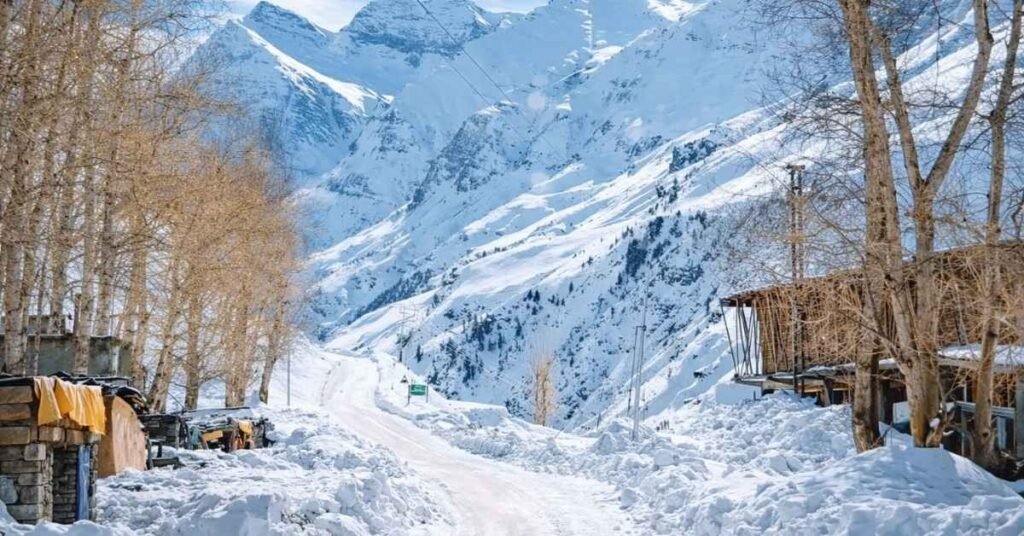
Most travel blogs show you the pretty pictures. This section shows you what actually happens when you land in Spiti in December or January.
Water Freezes. Literally Everything Freezes.
Running water is a luxury you will not have in winter Spiti Valley. Pipes freeze solid overnight. This means:
- No running taps in most homestays and guesthouses
- No flush toilets. You will use traditional dry compost toilets. They are basic, they are cold, but they are the only option.
- No hot showers in most places. Some homestays heat water in buckets, but do not count on it daily.
This is not a complaint. This is just the reality. Accept it before you go.
Power Cuts Are Normal
Electricity in Spiti during winter is unpredictable. Power cuts happen regularly, sometimes lasting several hours.
Here is what this means for you practically:
- Carry at least two fully charged power banks
- Keep power banks inside your jacket or sleeping bag at night. Cold kills battery life extremely fast. A fully charged power bank left outside overnight can drop to 20% by morning.
- Carry a headlamp with extra batteries, not just your phone torch
- Do not rely on charging your devices overnight. It may not happen.
Your Phone Will Betray You
At -20°C or below, phone batteries drain frighteningly fast. A full battery can drop to zero within 30 to 40 minutes outdoors.
- Keep your phone in your inner pocket, close to your body heat
- Turn on low power mode before stepping outside
- Download offline maps of the entire Spiti region before leaving Shimla or Kaza
The Cold is Not Just Uncomfortable. It is Dangerous.
Frostbite can begin within minutes on exposed skin at -30°C. Cover every inch of skin when stepping outside at night or early morning.
Respect the cold. Prepare for it. And Spiti in winter becomes one of the most unforgettable experiences of your life.
Open Routes vs. Closed Routes: How to Reach Spiti Valley in Winter
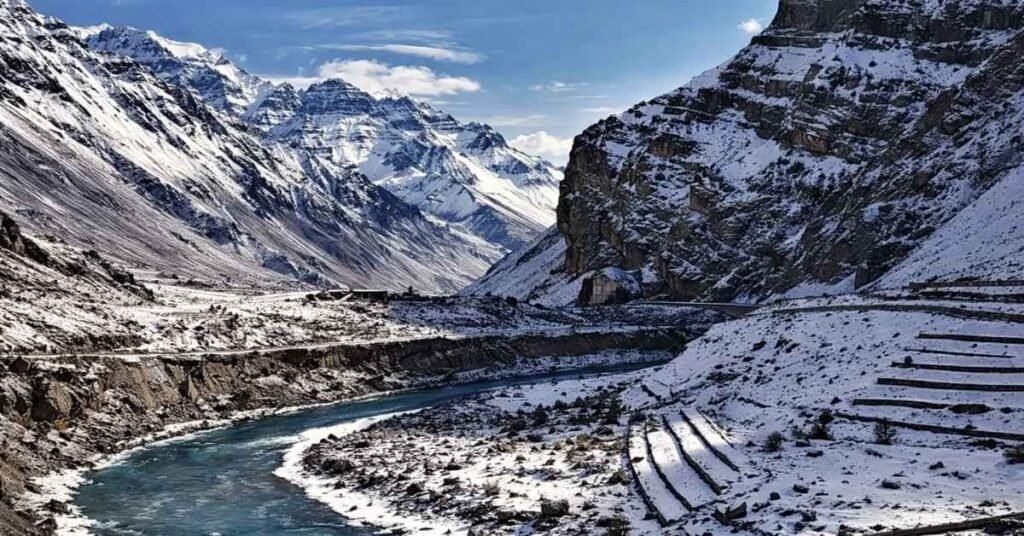
This is the most important section of this entire guide. Getting the route wrong does not mean a bad trip. It means being stranded in the Himalayas in -20°C weather.
The Manali-Kaza Route is Completely Closed
Every year, without exception, the Manali to Kaza route shuts down in winter. Both Rohtang Pass and Kunzum Pass receive extremely heavy snowfall starting November. These passes do not reopen until late May or June.
If you see any travel agent or blog telling you the Manali route is open in December or January, they are wrong. Do not trust that information.
The Only Open Route: Shimla to Kaza
The one and only way into winter Spiti Valley is through the Shimla-Kinnaur highway. This road stays open because it runs at lower altitudes through the Kinnaur valley before climbing into Spiti.
The full route looks like this:
Delhi → Shimla → Rampur → Kalpa → Nako → Tabo → Kaza
| Route | Approximate Distance | Winter Status |
| Manali → Kaza (via Rohtang & Kunzum) | 200 km | CLOSED |
| Delhi → Shimla | 370 km | Open |
| Shimla → Kaza (via Kinnaur) | 430 km | Open (with caution) |
For live road condition updates, check the Himachal Pradesh Road Transport Corporation or ask locals in Shimla before departing.
After Nako: Snow Chains and 4×4 Are Not Optional
Once you cross Nako, the road condition changes completely. Black ice becomes a serious danger. Black ice is invisible ice on the road surface that causes vehicles to skid without warning.
Here is what you need beyond Nako:
- A 4×4 vehicle is strongly recommended
- Snow chains must be fitted on tyres before entering this stretch
- Never self-drive this section if you have no experience driving on icy mountain roads
- Hire a local driver from Kaza or Shimla who knows these roads through winter
Local drivers are not expensive. They could genuinely save your life on this route.
Leave Early Every Single Day
Start driving by 6:00 AM each day. Afternoon sunlight melts surface snow, which refreezes as deadly black ice by evening. Early mornings give you the safest road conditions.
Not Sure Where To Go!
Let our Random Country Generator help you discover your next perfect destination.
Use Our Free ToolWhat to Wear and Carry: Ultimate Winter Spiti Packing List
Packing wrong for winter Spiti Valley is not just uncomfortable. It can send you to a hospital. Every single item on this list exists for a reason.
The 3-Layer Clothing Rule
Your body needs three layers of clothing working together in -30°C cold. One thick jacket is not enough.
Layer 1: Thermals (Base Layer)
- Wear full-sleeve thermal tops and thermal leggings under everything
- Choose wool or synthetic thermals. Cotton thermals are useless in extreme cold because they hold moisture against your skin
- Carry at least 3 sets so you always have a dry pair
Layer 2: Fleece (Mid Layer)
- A thick fleece jacket goes over your thermals
- This layer traps your body heat and acts as insulation
- A fleece with a zip collar gives extra neck protection
Layer 3: Down Jacket (Outer Layer)
- Your down jacket must be rated for at least -20°C
- Look for jackets with duck or goose down filling, not synthetic alternatives
- This outer shell blocks wind and snow from reaching your body
Never step outside with fewer than all three layers active.
Feet Are Your First Target for Frostbite
- Snow boots only. No sneakers, no casual shoes, no exceptions
- Boots must be waterproof and ankle-high at minimum
- Wear double woolen socks every single day
- Pack at least 4 pairs of woolen socks and rotate them to keep feet dry
Full Packing Checklist
Clothing
- Thermal sets (3 pairs)
- Fleece jacket (1-2)
- Down jacket rated -20°C or lower
- Waterproof snow boots
- Woolen socks (4+ pairs)
- Woolen gloves plus waterproof outer gloves
- Balaclava or full face mask
- Woolen cap
- Sunglasses (UV rays are intense at high altitude)
- Neck gaiter or scarf
Health and Safety
- Personal prescription medicines (carry extra supply)
- Diamox tablets (consult your doctor before Spiti for AMS prevention)
- ORS packets for rehydration
- Basic first aid kit
- Lip balm and heavy-duty moisturiser (skin cracks badly in dry cold)
Electronics
- Minimum two fully charged power banks
- Headlamp with extra batteries
- Offline maps downloaded before departure
Hydration and Alcohol: The Most Ignored Advice
Drink at least 4 liters of water every single day in Spiti. Altitude dries your body out faster than you realise.
Avoid alcohol completely. At high altitude, alcohol accelerates dehydration and dramatically increases your risk of Acute Mountain Sickness. It is not worth it.
Best Places to Visit in the Frozen Desert
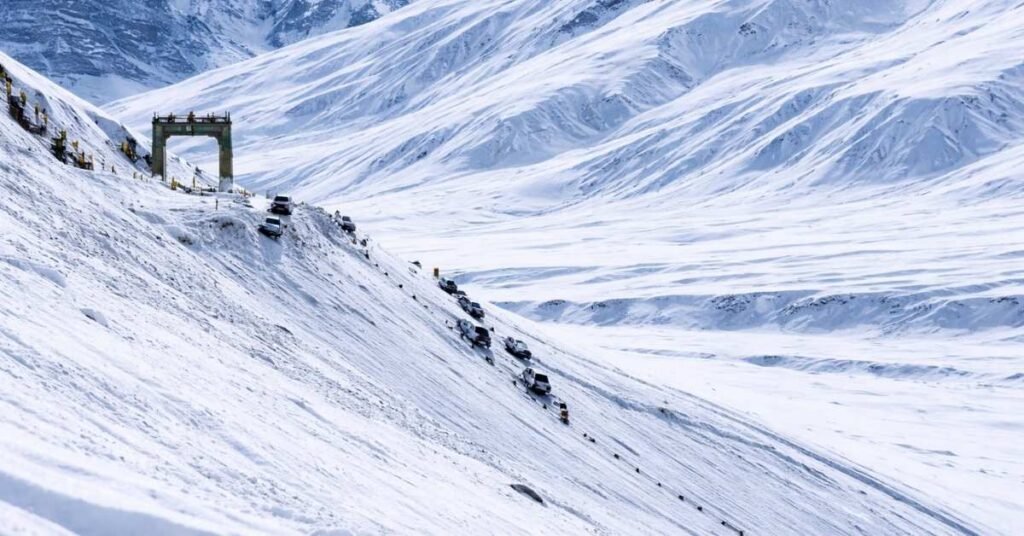
Winter does not shut Spiti down completely. It just filters out the crowds and leaves behind something far more raw and real. These are the places still worth visiting when everything is covered in snow.
Kaza: The Winter Hub of Spiti
Kaza is the only proper town in Spiti that stays active through winter. It has shops, homestays, and a small but warm local community.
In winter, Kaza looks completely different from its summer version. Snow covers the flat rooftops. Streets are nearly empty. The mountains surrounding the town turn pure white.
This is your base for everything. Plan to spend at least 2 to 3 nights here before exploring further.
Key Monastery: Snow-Covered and Spectacular
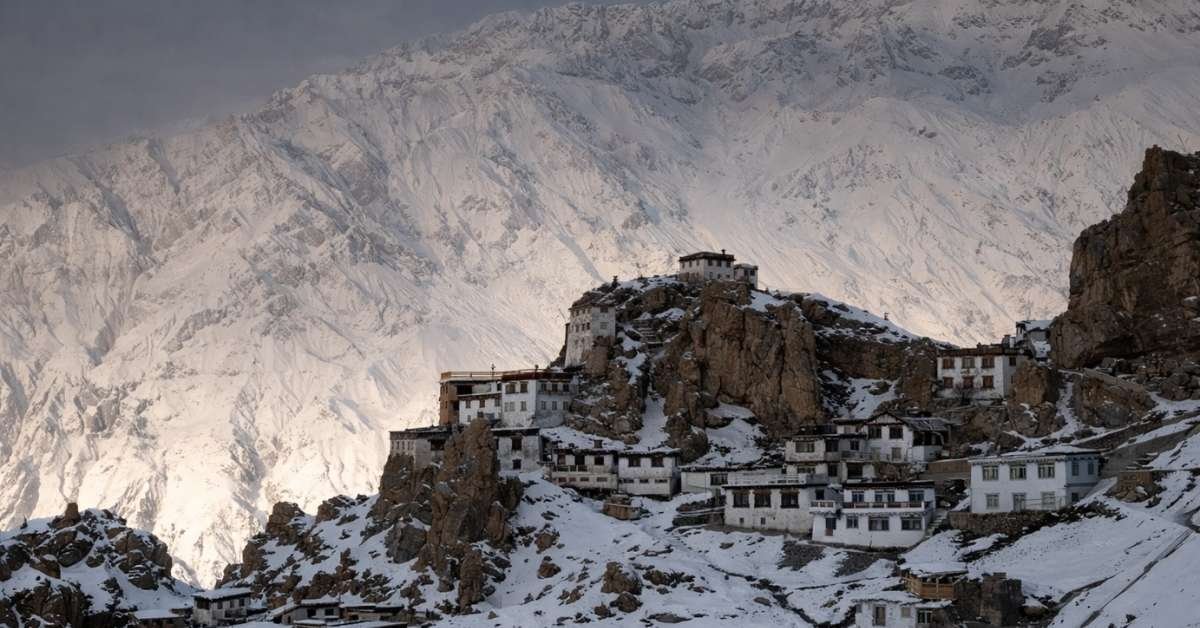
Key Monastery is the most iconic structure in all of Spiti Valley. In winter, it becomes something else entirely.
Thick snow covers every surface. The ancient mud-brick walls turn white. The prayer flags flap hard against freezing winds. Monks still live and pray here through the coldest months.
The road to Key Monastery can get icy and narrow in deep winter. Confirm road conditions with your driver or local homestay owner before heading up.
Chicham Bridge: Asia’s Highest Village Bridge
Chicham Bridge connects two clifftops over a deep gorge near Kaza. It holds the record as Asia’s highest village bridge.
In winter, standing on this bridge is genuinely terrifying in the best possible way. The gorge below fills with shadow. Ice clings to the cables and railings. The wind hits hard from every direction.
The bridge itself stays accessible in winter. However, the road leading to it can be blocked after heavy snowfall. Check conditions locally before visiting.
Hikkim and Langza: Go Only If Roads Allow
Hikkim is home to the world’s highest post office. Langza has the famous Buddha statue overlooking the valley.
Both villages sit at extreme altitudes. In deep winter, the roads to these villages are often blocked completely by snow. Do not attempt to reach them by vehicle without checking first.
If the road is partially blocked, some travelers walk the final stretch. Only do this if you are fully acclimatized and accompanied by a local guide.
The views from both villages under snow are worth every effort. A snow-covered Buddha statue against a bright blue Himalayan sky is one of those sights that stays with you permanently.
A Simple Rule for Winter Exploration
Always ask your local homestay owner or driver before going anywhere beyond Kaza. Road conditions change overnight in winter Spiti. Local knowledge is your most valuable tool here.
Homestays, Heating, and Network: What to Expect in Winter Spiti
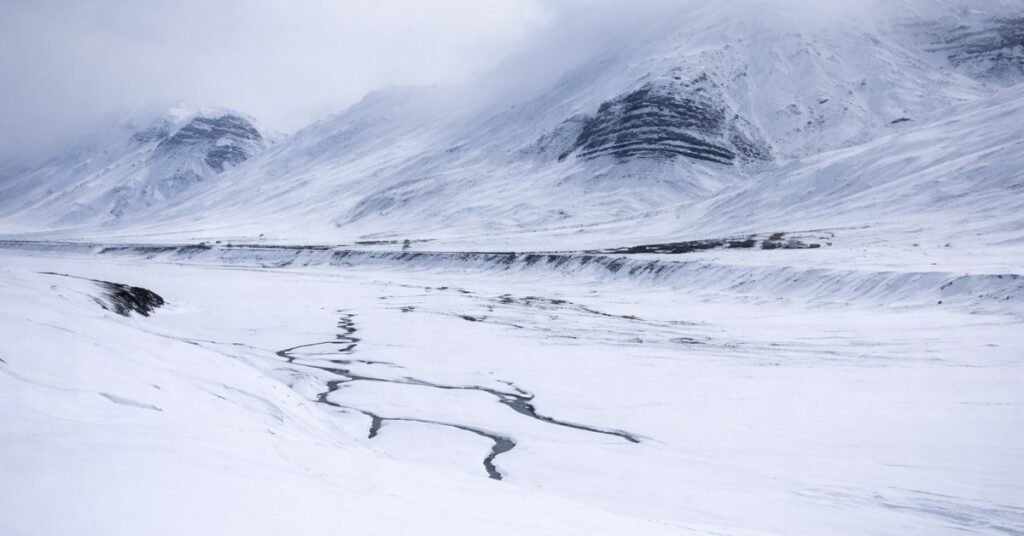
Forget five-star hotels. Forget room service. Forget reliable WiFi. Winter Spiti Valley operates on completely different rules, and once you accept that, it becomes part of the charm.
Where to Stay: Homestays Are Your Only Real Option
Almost every big hotel and resort in Spiti shuts down between November and April. The locals who stay back open their homes to travelers.
These are your verified and trusted options in Kaza:
- Sakya Homestay, Kaza: A well-known winter stay with warm hosts and basic but comfortable rooms
- Nawang Homestay, Kaza: A family-run option with a genuine local experience and home-cooked meals
- Winter White Hotel, Kaza: One of the very few hotel-style accommodations that stays operational through winter
Book in advance. Options are extremely limited in winter and fill up faster than you expect.
Heating: The Bukhari is Your Best Friend
There is no central heating anywhere in Spiti. No radiators, no heated floors, no electric room heaters that run all night.
Locals heat their homes using a Bukhari, a traditional woodfire heater, or a Tandoor in the kitchen area. Both are placed in the common room or main living area.
This means:
- Your bedroom will be cold. Sleep in thermals and use all available blankets.
- The common room is where everyone gathers in the evening for warmth
- Do not leave wet clothes in your room overnight. They will freeze.
Food: Simple, Hot, and Exactly What You Need
Winter menus in Spiti are short but satisfying.
Expect Dal and Rice, Thukpa (Tibetan noodle soup), Tsampa (roasted barley flour), butter tea, and simple parathas. Hot food served by a warm host after a freezing day of travel feels genuinely incredible.
Network and Connectivity: Expect Nothing
Only BSNL and sometimes Jio show any signal in Kaza. Even those drop constantly.
Do not depend on connectivity for navigation, communication, or anything important. Download everything offline before leaving Shimla. Treat this as a full digital detox and your experience will be far more peaceful.
Important Safety & Money Tips
ATMs in Kaza: Do Not Depend on Them
Kaza has ATMs but in winter they are either frozen, out of cash, or simply offline for days at a time.
Withdraw enough physical cash before leaving Shimla or Reckong Peo. Carry more than you think you need. There is no UPI fallback when network is down and no ATM is working.
A safe estimate is carrying at least 5 to 7 days worth of expenses in cash before entering Spiti.
Acute Mountain Sickness: The Biggest Real Danger
AMS is not just headaches and tiredness. Left ignored, it becomes life-threatening.
AMS Warning Symptoms include severe headache, vomiting, loss of balance, and confusion. If you or anyone in your group shows these signs, descend immediately. Do not sleep it off hoping it gets better. Drink 4 liters of water daily. Avoid alcohol completely. Consult your doctor about Diamox before the trip. AMS does not care how fit or young you are.
Quick Safety Checklist
- Register at the local police check post on arrival
- Always inform your homestay owner before any solo outing
- Never travel after dark on mountain roads
Is Winter Spiti Worth It?
Winter Spiti Valley is not for everyone, and that is exactly what makes it special.
If you need comfort, reliable heating, hot showers, and strong WiFi, this is the wrong destination. Go somewhere else without guilt.
But if you are someone who finds peace in extreme silence, who wants to see a frozen Himalayan desert with almost no other tourists around, who can handle real physical discomfort in exchange for something genuinely unforgettable, then yes.
Winter Spiti is absolutely worth it.
Prepare seriously. Respect the mountains. And go.
Frequently Asked Questions About Winter Spiti Valley
Is Spiti Valley open in winter?
Yes, Spiti Valley is accessible in winter but only through the Shimla-Kinnaur route. The Manali-Kaza route via Rohtang and Kunzum Pass is completely closed from November to May.
What is the temperature in Spiti Valley in winter?
Winter temperatures in Spiti Valley drop between -15°C to -30°C. Nights are significantly colder than days. January is the coldest month.
Which is the only open route to Spiti in winter?
The only open route is Delhi → Shimla → Rampur → Kalpa → Nako → Tabo → Kaza. No other route remains accessible during winter months.
Can beginners visit Spiti Valley in winter?
Spiti in winter is not recommended for first-time Himalayan travelers or those with no experience of extreme cold and high altitude. Physical fitness and proper preparation are non-negotiable.
How do I prevent Acute Mountain Sickness in Spiti?
Drink at least 4 liters of water daily, avoid alcohol completely, acclimatize properly by not rushing your itinerary, and consult your doctor about Diamox tablets before the trip.
What network works in Spiti Valley in winter?
Only BSNL and sometimes Jio show limited signal in Kaza. Connectivity is extremely unreliable. Download all offline maps and important information before entering Spiti.