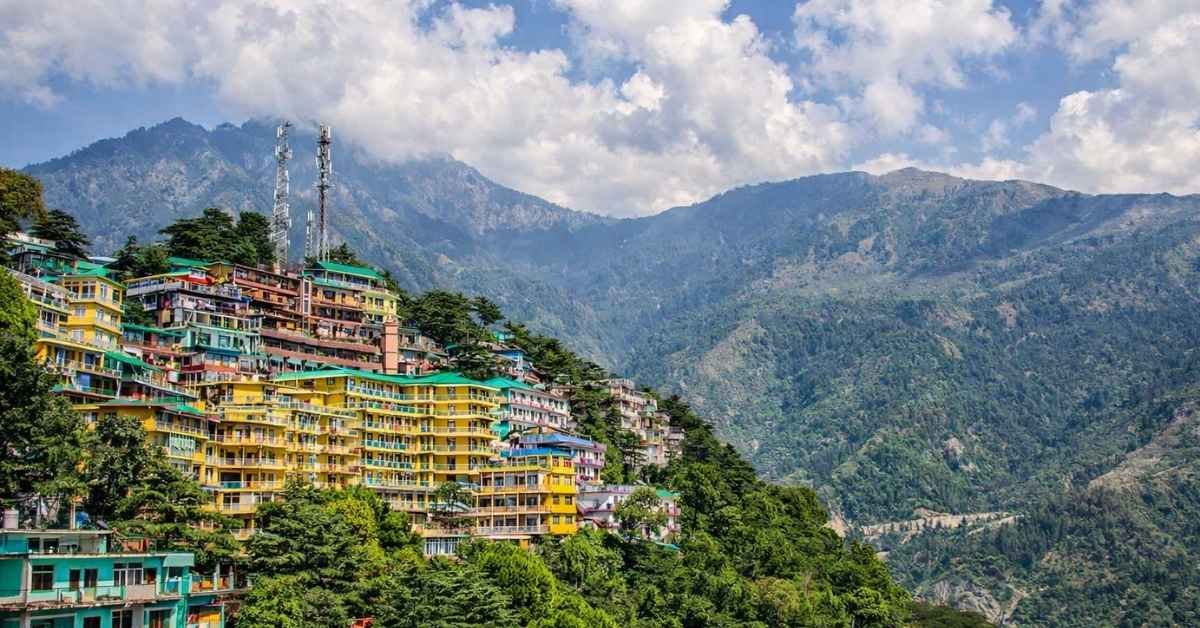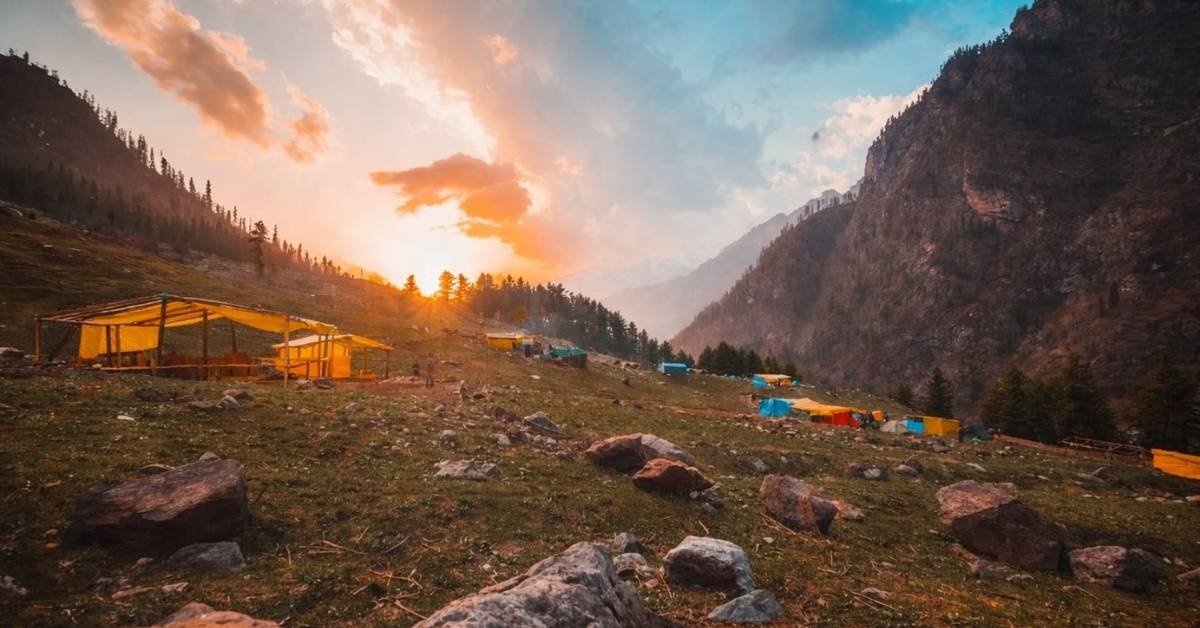
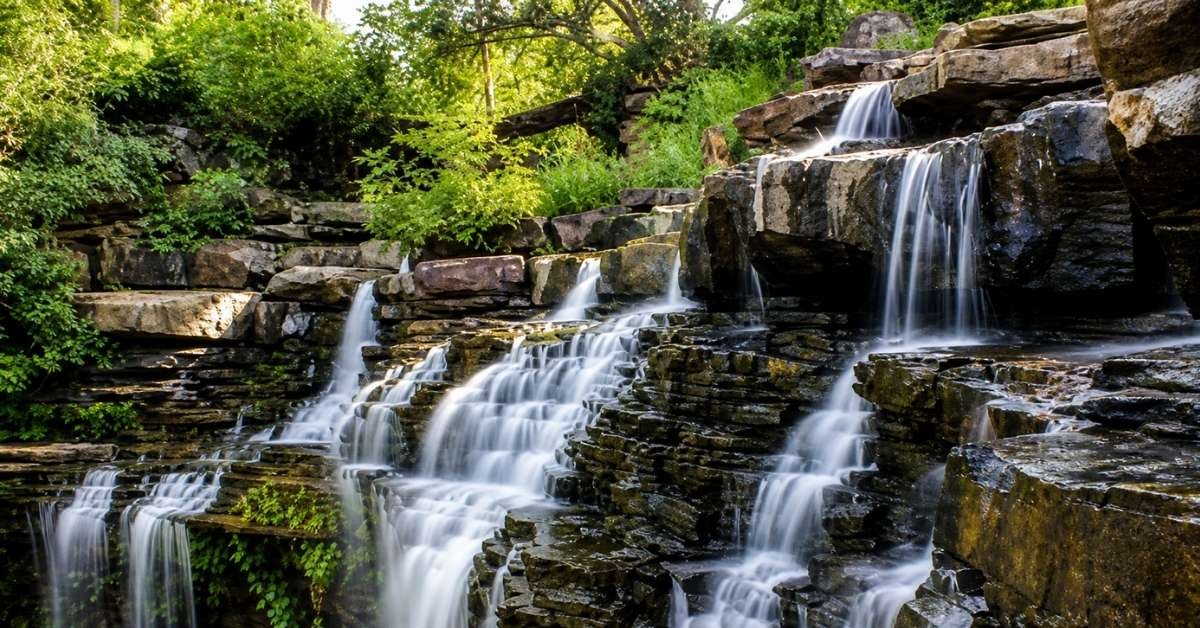
The best waterfall near Raipur is Ghatarani Waterfall — the largest waterfall in Chhattisgarh, located approximately 85–90 km from the city. It sits deep inside forest cover near Rajim and is best visited between August and November.
Most people stuck in Raipur’s heat don’t realise a full-scale forest waterfall is less than two hours away by road. No flight. No long weekend needed. Just a route, a plan, and the right information.
This guide covers everything you actually need before you go:
- The exact route from Raipur to Ghatarani
- The reality of what the place looks, feels, and functions like on the ground
- Practical survival tips — food, safety, and crowd management
- Hidden spots most visitors completely miss
Let’s get into it.
Why Ghatarani Tops the List of Escapes
Chhattisgarh has several waterfalls. But Ghatarani consistently pulls the biggest crowds — and for good reason. It is the largest waterfall in the entire state, and the journey to reach it feels like the city simply stops existing.
The waterfall sits deep inside a thick forest near Rajim. The trees close in around you as you get closer. The air changes. The noise drops. That shift alone is worth the drive from Raipur.
What makes this spot even more special is the Jatmai Temple located nearby. Many visitors combine both stops in a single day trip — the waterfall for the adventure, the temple for a moment of calm. The two together give the trip a natural rhythm: spiritual in the morning, wild by afternoon.
Raipur is a fast-growing city — traffic, construction, concrete. Ghatarani is the direct opposite. Dense sal forest, rocky terrain, and the sound of rushing water replace everything urban. It is not a manicured tourist park. It is raw, real, and refreshing.
Quick Facts at a Glance
| Detail | Info |
| Distance from Raipur | ~85–90 km |
| Best Vehicle | Car or bike (road is manageable) |
| Trek Difficulty | Easy to Moderate (short forest trail) |
| Entry Fee | Mostly free; nominal parking charge |
| Nearest Landmark | Jatmai Temple, Gariaband district |
This combination of natural scale, forest depth, and spiritual proximity is exactly why Ghatarani leads every “waterfall near Raipur” conversation.
The Reality of Reaching There: Logistics & Route
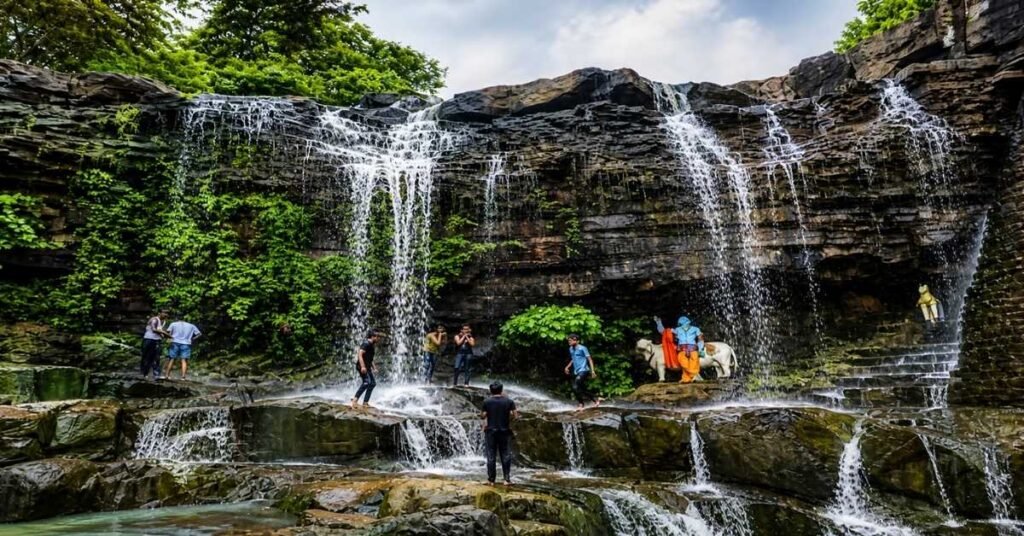
Getting to Ghatarani is straightforward — but only if you know what to expect. The route is not complicated, but the final stretch near the forest requires attention. Here is an honest breakdown.
By Road (The Best Option)
A personal car or a bike is the most practical way to reach Ghatarani from Raipur. The main highway stretch is smooth and well-maintained. However, as you get closer to the forest zone, the road narrows. Some patches near the tree line are uneven, especially after heavy monsoon rain.
The drive itself is genuinely scenic. You pass through open fields and small villages before the landscape shifts into dense green forest. Plan for roughly 2 to 2.5 hours of travel time depending on your starting point in Raipur.
A rough route to follow:
- Raipur → Abhanpur → Rajim → Gariaband → Ghatarani
You can verify the live route and road conditions on Google Maps: Raipur to Ghatarani Waterfall.
Avoid starting after 11 AM on weekends. The parking area fills up quickly and the forest trail gets crowded by early afternoon.
By Train & Air (For Out-of-State Travelers)
If you are travelling from outside Chhattisgarh, Raipur Junction Railway Station is the closest major railhead. It connects to most major Indian cities. From the station, you hire a cab or rent a vehicle to drive to Ghatarani.
If you are flying in, Swami Vivekananda Airport, Raipur is the nearest airport. It handles flights from Delhi, Mumbai, Hyderabad, and Bengaluru regularly.
From both transport hubs, Ghatarani is under a 3-hour drive with a planned early start.
Not Sure Where To Go!
Let our Random Country Generator help you discover your next perfect destination.
Use Our Free ToolOn-Site Experiences & Exploring the Terrain
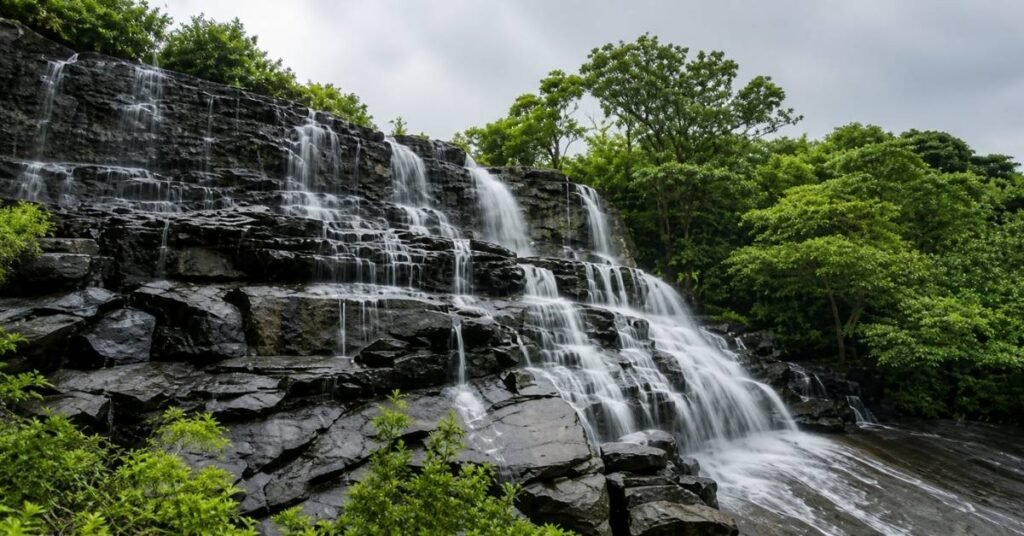
Ghatarani does not begin at the waterfall. It begins the moment you step out of your vehicle. Here is what the experience actually looks and feels like on the ground.
The Trek In
From the parking area, a short forest trail leads you to the main cascade. It is not a long walk, but it is uneven. Wear shoes with grip — sandals are a bad idea here.
- The path cuts through dense trees and gets progressively rockier
- The sound of the waterfall reaches you before you can see it
- The final approach involves navigating large boulders and wet stone surfaces
Safety note: The rocks near the waterfall are genuinely slippery. Several visitors lose footing every season. Step carefully and avoid rushing.
At the Waterfall
The main cascade is powerful and loud. The mist hits you from several metres away.
- Shallow pools near the edges are safe for wading and foot dipping
- Near the main drop, the current is strong and the depth is unpredictable — stay out of this zone
- The best photography spots are slightly elevated, on the dry boulders to the left side of the fall
The light is best in the mid-morning hours before direct overhead sun flattens the scene.
Food & Water on Site
Do not expect a food court. The area near the Jatmai Temple has basic local stalls offering:
- Hot Maggi and chai
- Packaged snacks and cold drinks
- Occasional local snacks depending on the season
However, bringing your own water bottles is strongly advised. The stalls run out during peak crowd days, and hydration on a forest trek is non-negotiable.
The Truth About the Best Time to Visit
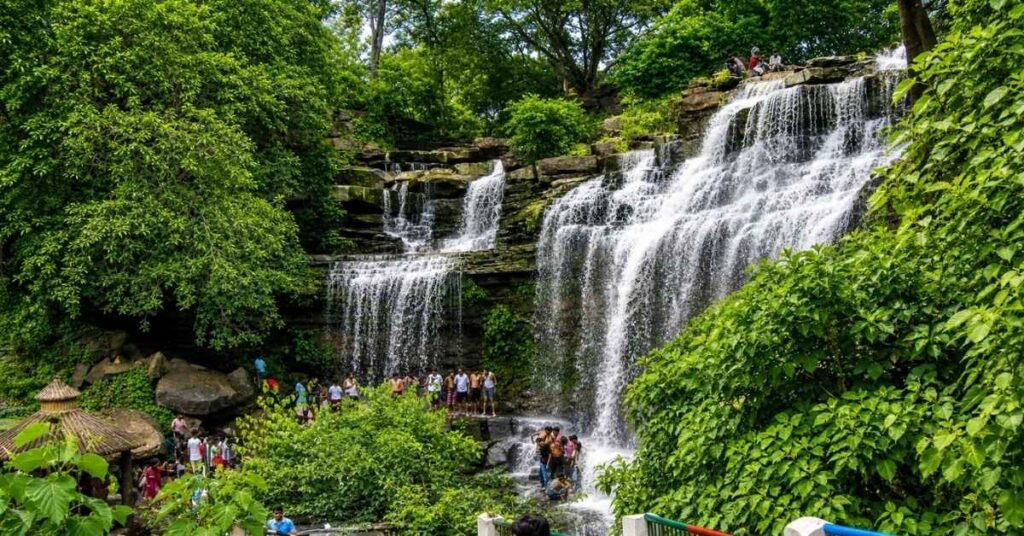
Here is the one fact that saves you from a wasted trip: Ghatarani Waterfall is not active all year round.
Post-Monsoon (August to November) — Go Now
This is the only window where the waterfall is at full force. The rains feed the cascade and the forest turns a deep, saturated green. Water levels are high, the pools fill up, and the whole site looks exactly like the photos you have seen online.
August to November is the non-negotiable sweet spot.
Monsoon Itself (July) — Proceed With Caution
The waterfall is powerful during active monsoon, but forest trails become dangerously slippery. Flash water surges are a real risk. If you visit in July, go only on a clear day and leave early.
Summer (April to June) — Avoid
This is the hard truth most travel posts skip. By late April, water flow drops significantly. By May and June, you are largely looking at a dry or near-dry rock face. The drive, the trek, the heat — none of it pays off without water.
Plan around the post-monsoon window and the waterfall will not disappoint.
Essential Tips for Families & Riders
Most trips to Ghatarani go smoothly. The ones that don’t usually share a common thread — poor preparation. These tips are specific and actionable.
Footwear is Non-Negotiable
The forest trail and waterfall rocks are covered in wet moss. Slippers and flat sandals offer zero grip on this surface.
- Wear closed sports shoes with a rubber sole
- Children especially need proper footwear — the boulders near the fall are uneven and unpredictable
- Avoid brand new shoes you haven’t broken in — the trail is rough enough to cause blisters
Mobile Signal Warning
Once you enter the deep forest zone, mobile network becomes unreliable. This catches many visitors off guard.
- Download your route on Google Maps offline before leaving Raipur
- Inform someone at home of your plan and expected return time
- Do not rely on live navigation once you are inside the forest stretch
Watch Yourself Around the Temple Area
The Jatmai Temple area has a resident monkey population. They are bold and opportunistic.
- Keep all food inside bags and zipped shut
- Do not eat openly near the temple entrance
- If a monkey approaches, stay calm — do not run or make sudden movements
- Keep children close and avoid letting them hold snacks in open hands
One More for Riders
If you are riding a bike, check tyre pressure before leaving. The narrow forest road has sharp gravel patches that can catch underinflated tyres off guard.
Beyond Ghatarani: Another Hidden Gem
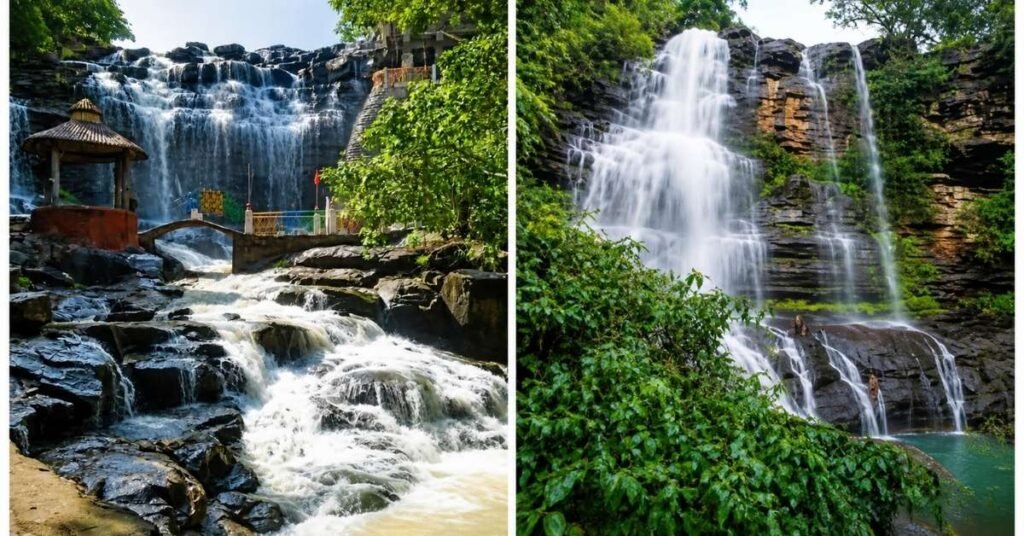
Ghatarani is the headline act. But the surrounding region holds two more spots that most day-trippers completely miss.
Jatmai Waterfall & Temple
Jatmai is not just a temple stop on the way to Ghatarani — it has its own small waterfall that flows beautifully during the post-monsoon season. The site carries a strong spiritual atmosphere, and the waterfall here is gentler and more accessible than Ghatarani’s main cascade.
It sits roughly 25 km before Ghatarani on the same route, making it a natural first stop. Most smart travellers treat the two as a single combined itinerary — Jatmai in the morning, Ghatarani by midday.
Chingra Pagar Waterfall — The Offbeat Option
If you want to avoid crowds entirely, Chingra Pagar Waterfall in Gariaband district is your answer. It sits in the same forested belt as Ghatarani but receives a fraction of the footfall.
The terrain is rawer, the path less defined, and the experience far more solitary. This one is best suited for travellers who are comfortable navigating without clear signage and prefer untouched natural settings over popular tourist spots.
For anyone serious about exploring every waterfall near Raipur, Chingra Pagar belongs on the list.
Frequently Asked Questions
How much time is required to explore Ghatarani?
A comfortable visit to Ghatarani takes around 3 to 4 hours on site. This includes the trek in, time at the waterfall, and a meal break near the temple stalls. If you are combining it with Jatmai, add another 1 to 1.5 hours to your total plan.
Is the road safe for scooty or bikes?
Yes, the main highway stretch is safe and manageable for two-wheelers. However, avoid riding after dark — the forest road has no street lighting, and wildlife movement near the tree line is a genuine concern at night.
Can we swim in the waterfall?
Swimming in the shallow pools near the edges is generally fine for adults. Do not enter the water near the main cascade — the current is strong, the depth is unpredictable, and there are no lifeguards on site. Keep children strictly to the shallow areas.
Is Ghatarani suitable for young children and elderly visitors?
The short forest trek involves uneven rocky terrain. Young children and elderly visitors can still enjoy the trip but should be accompanied closely. The temple area at Jatmai is flat and fully accessible for all age groups.
Are there any accommodation options nearby?
There are no hotels or guesthouses directly at Ghatarani. The nearest accommodation options are in Raipur or Gariaband town. Most visitors treat this as a day trip and return to Raipur the same evening.
Is there a best day of the week to visit?
Weekdays are significantly less crowded than weekends and public holidays. If your schedule allows, a Tuesday or Wednesday visit means easier parking, quieter trails, and a more relaxed experience overall.