Sari Village: The Ultimate Travel Guide to Uttarakhand’s Best Kept Secret
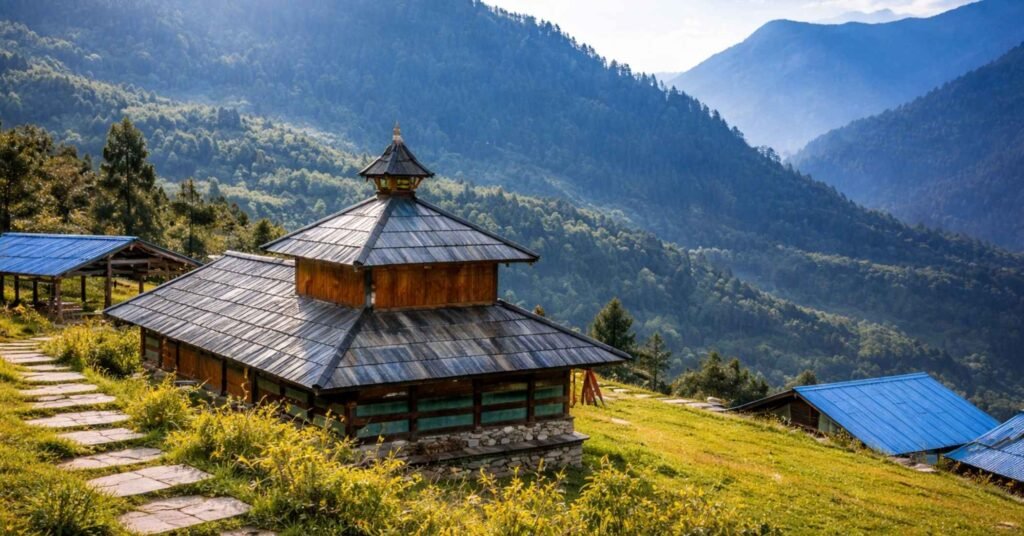
- What it is: A small Garhwali village in Rudraprayag district, Uttarakhand
- Where: Ukhimath Block, at ~2,000 meters altitude
- Famous for: Base camp for the Deoriatal Lake trek
- Distance from Delhi: ~400 km | From Rishikesh: ~190-200 km
Sari village is quietly becoming one of the most searched trekking bases in Uttarakhand, and for good reason.
No loud markets. No tourist traps. Just oak and rhododendron forests, clean mountain air, and a straight shot to one of Garhwal’s most beautiful alpine lakes.
Travelers who are tired of overcrowded spots like Mussoorie or Nainital are now choosing Sari village for a simpler, more peaceful Himalayan experience. The views are real, the stays are affordable, and the trek to Deoriatal is genuinely worth it.
Why Sari Village Stands Out From Other Hill Destinations
Most hill stations in Uttarakhand have gotten crowded and commercialized. Sari village is different. It still feels like the Himalayas actually looked before Instagram found them.
Here is what makes it genuinely special:
The Natural Setting
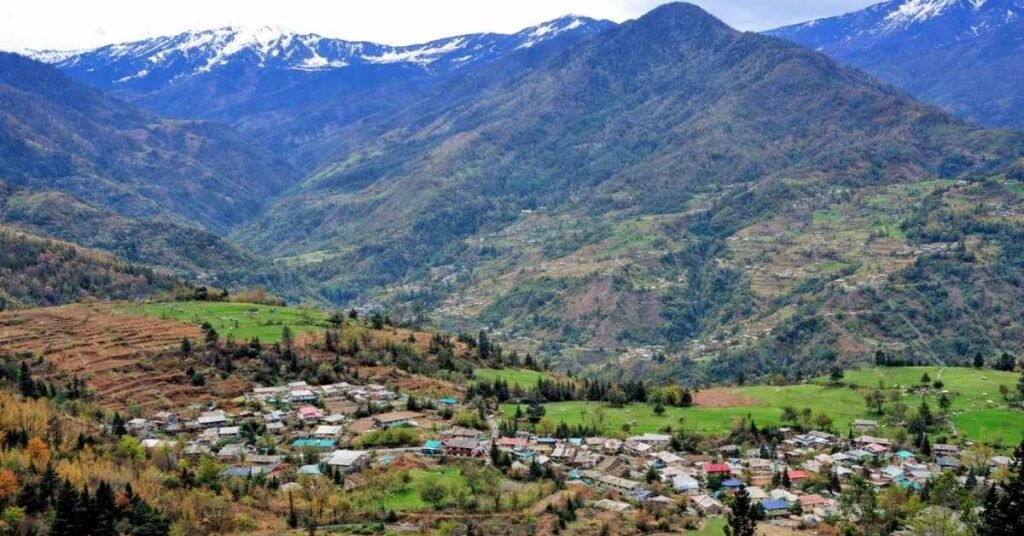
- Dense oak and rhododendron forests surround the village on all sides
- Rhododendrons bloom bright red in March and April, covering the hillsides
- The air is noticeably cleaner at 2,000 meters, especially after a rain
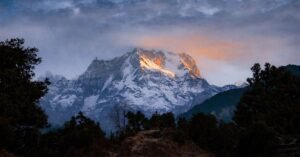
- On clear mornings, Himalayan peaks are visible right from the village
The Local Culture
- Sari is home to the Garhwali community, known for being warm and welcoming to travelers
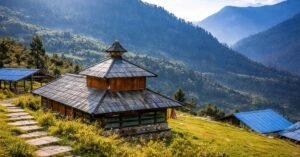
- The Omkarratneshwar Temple sits in the village and is a quiet spiritual stop worth visiting
- Local homestays are family-run, which means home-cooked Garhwali food and genuine hospitality
The Honest Reality (What Travel Blogs Skip)
This is not a resort destination. Come prepared.
- Mobile network is weak and sometimes completely unavailable. BSNL works slightly better than others
- Power cuts happen, especially at night and during bad weather
- Carry a power bank, ideally two if you rely heavily on your phone
- Roads to Sari village can get tricky during monsoon season (July to September)
None of this is a dealbreaker. It is actually part of why the place still feels untouched. Just go in knowing what to expect.
How to Reach Sari Village: Step-by-Step Guide
Nearest Airport: Jolly Grant Airport, Dehradun Nearest Railway Station: Rishikesh
Distance at a Glance
| Starting Point | Distance to Sari Village | Approx Travel Time |
| Delhi | ~400 km | 10-12 hours |
| Dehradun | ~200 km | 6-7 hours |
| Rishikesh | ~190-200 km | 5-6 hours |
| Ukhimath | ~13-14 km | 30-45 minutes |
Step-by-Step Route (Delhi to Sari)
Step 1: Reach Rishikesh
Take an overnight bus or train from Delhi to Rishikesh. Buses are available from ISBT Kashmere Gate. Rishikesh is your main transit hub for everything ahead.
Step 2: Rishikesh to Rudraprayag
From Rishikesh, take a shared taxi or bus heading towards Rudraprayag. This stretch follows the Alaknanda river and takes roughly 3-4 hours.
Step 3: Rudraprayag to Ukhimath
From Rudraprayag, take another shared taxi towards Ukhimath. The road climbs steadily and takes about 1.5 to 2 hours.
Step 4: Ukhimath to Sari Village
This is where many travel blogs go quiet. Local shared taxis and jeeps run between Ukhimath and Sari village regularly. The fare is roughly ₹50 to ₹100 per person. The distance is only 13-14 km but the road is hilly, so expect 30-45 minutes.
Tips for Getting There Smoothly
- Start from Delhi or Rishikesh as early as possible. Morning departures give you daylight for the mountain roads
- Avoid traveling this route at night
- During heavy snowfall or monsoon, confirm road conditions before leaving Ukhimath
Sari Village to Deoriatal Trek: Complete Guide
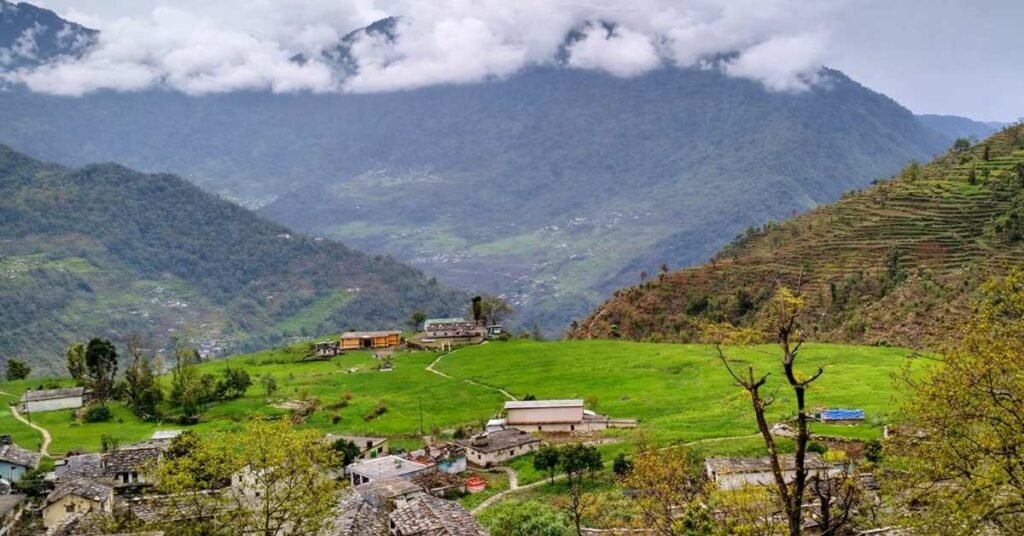
Sari village is the official base camp for the Deoriatal Lake trek. This is the main reason most travelers come here, and it fully delivers.
Trek Stats at a Glance
| Detail | Info |
| Starting Point | Sari Village |
| Destination | Deoriatal Lake |
| Distance | 2.5 km (one way) |
| Time Required | 1 to 1.5 hours (ascent) |
| Difficulty Grade | Easy |
| Trek Type | Uphill forest trail |
| Best Season | April to June, September to November |
Do You Need a Guide?
No. The trail from Sari village to Deoriatal is well-marked and straightforward. Solo trekkers and first-timers handle it comfortably without hiring a guide. Just follow the stone path that starts right at the edge of the village.
That said, if you are visiting in winter with snow on the trail, a local guide can help with navigation.
Step-by-Step Trek Breakdown
Step 1: Start at the Sari Village Trailhead
The trek begins at the top end of Sari village. There is a small entry/forest gate where you may need to pay a nominal forest entry fee. Start early morning for the best views and cooler temperatures.
Step 2: The Forest Walk (First 1.5 km)
The trail immediately enters a dense oak and rhododendron forest. The path is uneven but clearly visible. This section is the steepest part of the trek. Take your time, the incline is manageable but continuous.
Step 3: The Trail Opens Up (Last 1 km)
As you near Deoriatal, the forest thins out and the landscape opens. On clear days you will start seeing Himalayan peaks ahead. The trail flattens slightly here.
Step 4: Deoriatal Lake
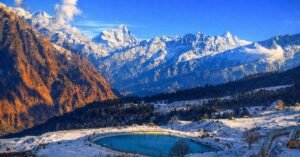
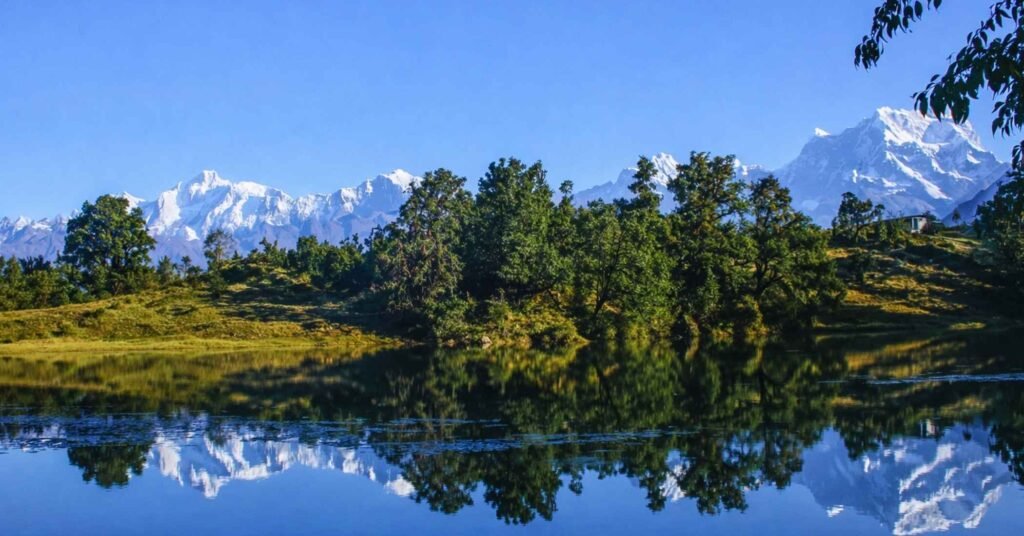
The lake sits at around 2,438 meters. On still mornings, it gives a perfect reflection of the Chaukhamba peaks. Arrive before 8 AM for the clearest reflections and fewest people.
Trail Conditions: Honest Notes
- The path can get muddy and slippery after rain
- Wear proper grip shoes, not casual sneakers
- Carry at least one liter of water as there are no shops on the trail
- The return downhill walk takes about 45 minutes to 1 hour
Top Things to Do In and Around Sari Village
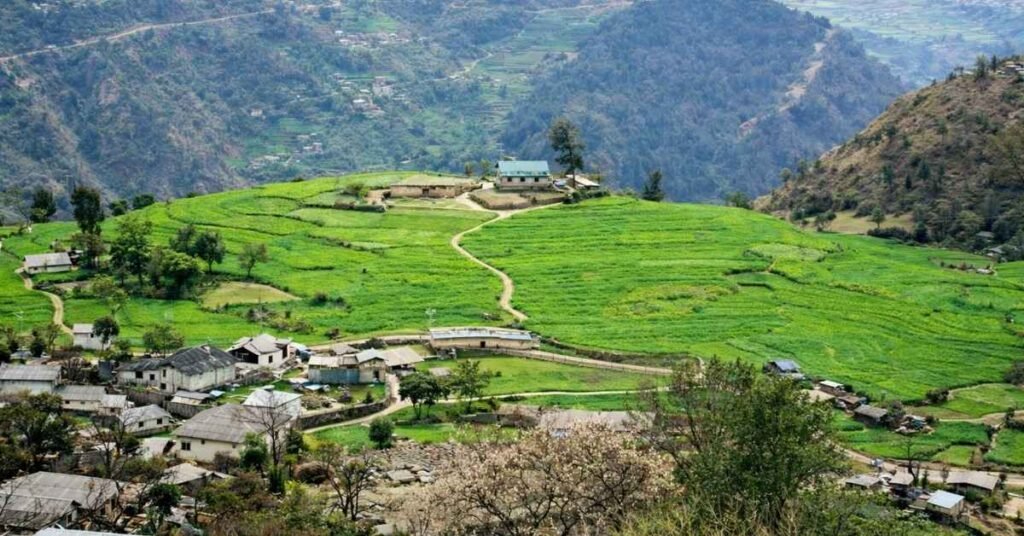
The Deoriatal trek is the main draw, but Sari village has more to offer if you plan to stay for 2-3 days.
Trek to Deoriatal Lake
The obvious one. A 2.5 km uphill walk through forest, ending at a stunning alpine lake with Himalayan peak reflections. Do this on your first morning while the sky is still clear.
Birdwatching in the Oak and Rhododendron Forest
The forests around Sari village are genuinely good for birdwatching. Himalayan species like the Koklass Pheasant, Monal, and various warblers are spotted regularly. Early mornings between 6 AM and 8 AM are the best window. You do not need special equipment, just patience and quiet.
Explore Rohini Bugyal
A short distance from Sari, Rohini Bugyal is an open alpine meadow that most visitors skip entirely. It is quieter than Deoriatal and offers wide open views of the surrounding ridgelines. Best visited in May and June when the meadows are green.
Visit the Omkarratneshwar Temple
Located within the village, the Omkarratneshwar Temple is a calm and unhurried spiritual stop. It is not a tourist attraction in the commercial sense. Locals visit it regularly and it gives you a genuine feel of Garhwali village life.
Use Sari as a Base for Chopta and Tungnath
Sari village sits on the natural route toward Chopta, which is the base for the Tungnath and Chandrashila trek. Many travelers spend a night in Sari, do the Deoriatal trek in the morning, then drive onward to Chopta the same afternoon.
This makes Sari a smart stop rather than just a single-day visit.
Where to Stay in Sari Village: Homestays and Food
Let’s be upfront: Sari village has no 5-star hotels, no luxury resorts, and no room service. What it does have is something better for this kind of trip – clean, affordable homestays run by local Garhwali families.
Verified Stays in Sari Village
Khushi Homestay One of the most reviewed stays in Sari village. It is pet-friendly, has mountain views, and is run by a local family. A solid choice for solo travelers and couples. Book on Booking.com
Heaven Hills Cottages A popular option among travelers heading to Deoriatal. Comfortable rooms, helpful hosts, and a good location relative to the trek starting point.
Trishakti Aura Homestay Well-suited for travelers using Sari as a stopover on the Chopta or Kedarnath route. Simple, functional, and affordable.
What to Expect with Food
Most homestays include home-cooked meals as part of the package. The food is simple and genuinely good.
Typical meals include:
- Dal, rice, and seasonal sabzi cooked with local ingredients
- Rotis made fresh for each meal
- Garhwali specialties like Kafuli and Chainsoo in some homestays
- Basic breakfast options like poha, eggs, or parathas
There are no restaurants or cafes in the village. Eating at your homestay is really the only option, and honestly, it is the right one.
Best Time to Visit Sari Village
| Season | Months | What to Expect |
| Best Season | March to May | Rhododendrons in bloom, clear skies, great trek conditions |
| Good Season | October to November | Post-monsoon clarity, stunning Himalayan views |
| Cold but Magical | December to February | Heavy snowfall possible, very cold nights |
| Avoid | July to September | Monsoon makes roads risky and trails slippery |
Will I Get Snow in Sari Village?
Yes, if you visit in January or February, snow is highly likely. The village sits at 2,000 meters and temperatures can drop well below freezing at night.
Pack at least 4 to 5 warm layers, thermal innerwear, waterproof shoes, and a windproof jacket. Do not underestimate the cold.
Frequently Asked Questions
Is there an ATM in Sari village?
No. There are no ATMs in Sari. Withdraw enough cash before leaving Ukhimath or Rudraprayag. Most homestays do not accept UPI reliably due to weak networks.
Is the Deoriatal trek safe for beginners?
Yes. It is graded Easy, is 2.5 km one way, and takes 1 to 1.5 hours. No prior trekking experience is needed.
Is Sari village suitable for families with children?
Yes, as long as children are comfortable with basic homestay conditions and a short uphill walk.
Final Word
Sari village is one of those rare places that rewards travelers who keep things simple. No crowds, real mountains, honest food, and a trek that does not demand much but gives back a lot.
Pack your bag, withdraw cash in Rudraprayag, and go.
Have you been to Sari village or are you planning a trip? Drop your questions below.