The Rishikesh to Auli distance is approximately 265 km by road. The journey takes 8 to 10 hours depending on traffic. The best way to travel is by bus or private car via Joshimath, then a ropeway or taxi for the last stretch.
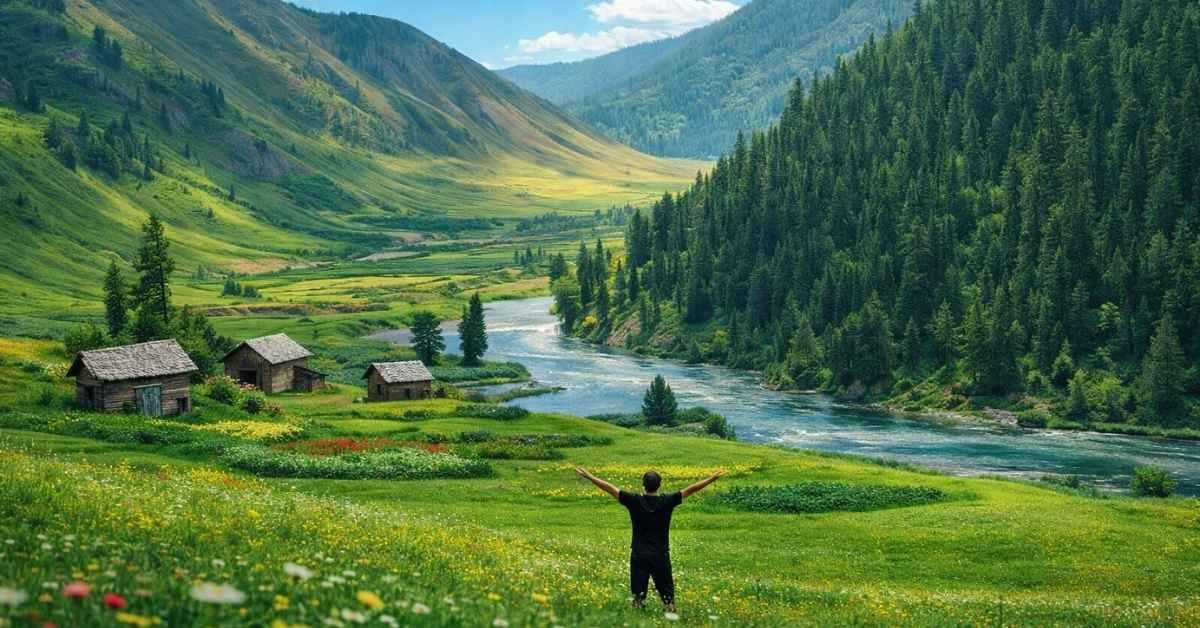
The road from Rishikesh to Auli is one of the most scenic drives in Uttarakhand. You pass through Devprayag, Rudraprayag, Karnaprayag, and Joshimath before reaching Auli. Every turn on this highway gives you a new view of the Himalayas and the Alaknanda river valley.
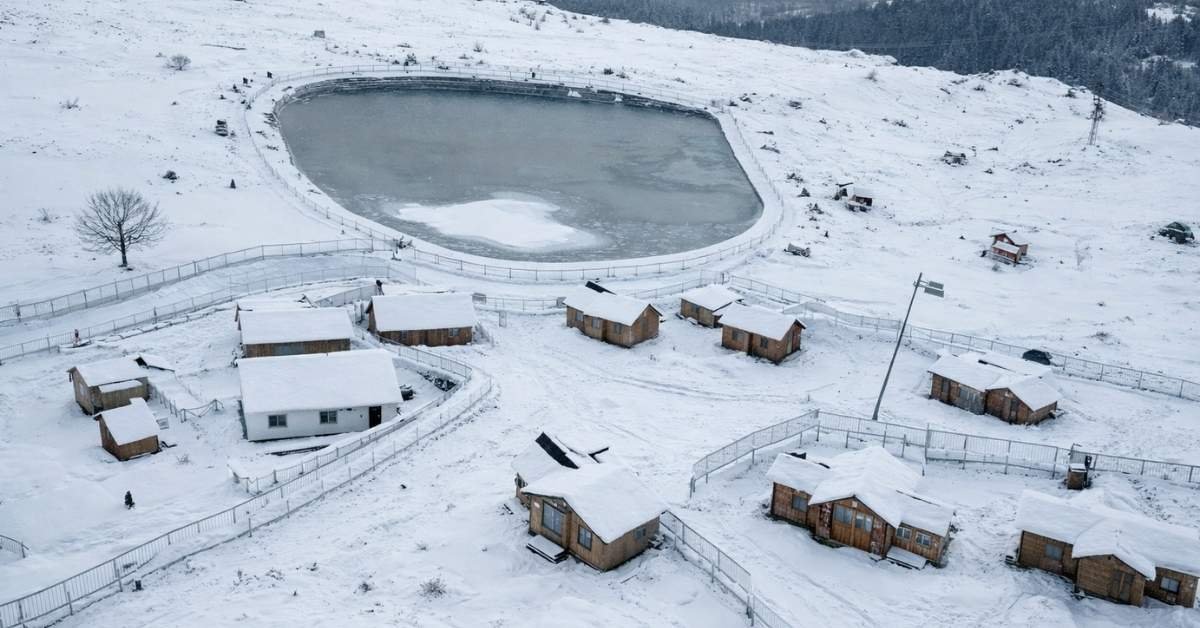
Most travellers make this trip for skiing in winter or trekking in summer. Auli sits at an altitude of around 2,519 metres, making it one of the top ski destinations in India. The clean mountain air and snow-covered slopes make the long drive completely worth it.
This guide covers everything you need to know before hitting the road. From the best route and road conditions to food stops and transport options, we have got you covered. Whether you are driving yourself or taking a bus, this guide will make your trip smooth and stress-free.
Rishikesh to Auli Distance & Route Map
The entire route follows National Highway 7 (NH-7), also known as the Rishikesh-Badrinath Highway. This is the same road that pilgrims use during the Char Dham Yatra season. The road runs mostly along the Alaknanda river, giving you stunning views the whole way.
Here is the complete breakdown of every major stop on the route:
| Stretch | Distance | Estimated Time |
| Rishikesh to Devprayag | 70 km | 2 hours |
| Devprayag to Srinagar (UK) | 35 km | 1 hour |
| Srinagar to Rudraprayag | 34 km | 1 hour |
| Rudraprayag to Karnaprayag | 48 km | 1.5 hours |
| Karnaprayag to Chamoli | 22 km | 45 minutes |
| Chamoli to Joshimath | 44 km | 1.5 hours |
| Joshimath to Auli | 16 km | 30-45 minutes |
| Total | ~265 km | 8-10 hours |
What the Road Actually Feels Like
This is not a highway like you find in the plains. The road is narrow, winding, and mountainous for most of the journey after Rishikesh. You will find sharp bends, steep climbs, and stretches where two vehicles can barely pass each other.
The road hugs the Alaknanda river almost all the way from Devprayag to Joshimath. Landslides are common during and after the monsoon season, especially between Chamoli and Joshimath. Always check road conditions before you leave.
The Last Leg: Joshimath to Auli
The final 16 km from Joshimath to Auli is all uphill. The road climbs steeply through dense forests. If you are driving a small car, take it slow and make sure your brakes are in good condition before attempting this stretch.
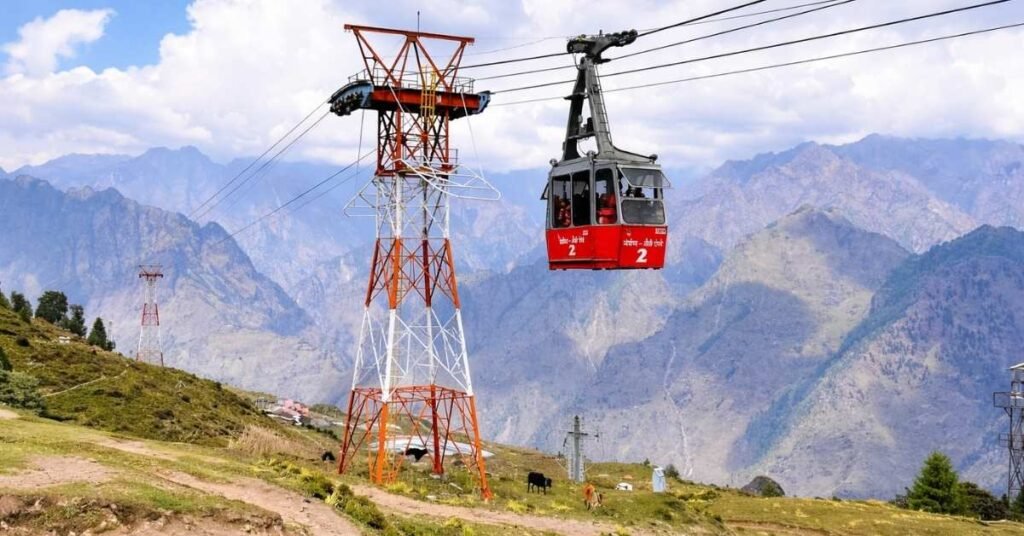
A faster and more exciting option is the GMVN Auli Ropeway, which connects Joshimath to Auli in around 20 minutes. At 4.15 km, it is one of the longest ropeways in Asia. You can check timings and fares at gmvnonline.com.
How to Reach Auli from Rishikesh
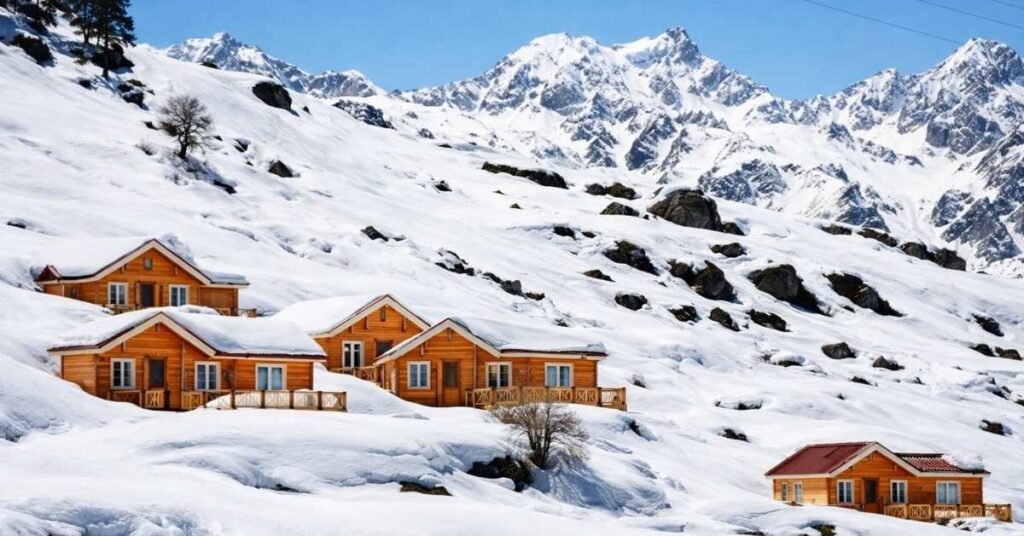
There is no single direct transport option that takes you straight to Auli. Every route goes through Joshimath first. From Joshimath, you either take a local taxi or the ropeway to reach Auli. Here is a breakdown of all three practical options.
By Bus
This is the most budget-friendly way to travel. UTC (Uttarakhand Transport Corporation) and TGMO buses operate daily from Rishikesh ISBT towards Joshimath and Badrinath. These buses typically depart between 4 AM and 6 AM, so plan to reach the bus stand the night before or very early in the morning.
The bus ride to Joshimath takes roughly 9 to 10 hours depending on road conditions and stops. Ticket prices are very affordable compared to taxis. Once you reach Joshimath, you can take a local shared taxi or the GMVN ropeway to get up to Auli.
Remember, direct buses to Auli do not exist. Do not wait at the bus stand looking for one. Always book a Joshimath-bound bus and plan your last leg separately.
By Private Taxi
If comfort matters more than cost, a private taxi is the way to go. You can hire a private cab from Rishikesh Natraj Chowk or the Yatra Bus Stand area. A private taxi (Innova or similar) from Rishikesh to Joshimath will cost roughly ₹4,000 to ₹6,000 one way depending on the vehicle and season.
Shared taxis (usually Maxx or Bolero vehicles) are also available from the same areas. These cost around ₹500 to ₹800 per seat and are a good middle ground between buses and private cabs. Shared taxis fill up fast in the morning, so get there by 6 AM.
By Own Car or Bike
Self-driving this route is deeply rewarding but needs serious preparation. The road is in decent condition on most stretches but becomes narrow and tricky after Chamoli. For bikers, this route is a dream ride but demands a well-serviced bike, good riding gear, and strong physical stamina.
A few non-negotiable rules for self-drivers:
- Never drive at night on this route. The mountain roads have no streetlights and visibility drops to almost zero.
- Carry extra fuel before Chamoli as petrol pumps get sparse ahead.
- Keep your car’s brakes and tyres checked before departure.
- Download offline maps since mobile signals are weak in several stretches.
For more travel planning resources and updated route advisories, visit the official Uttarakhand Tourism website.
Not Sure Where To Go!
Let our Random Country Generator help you discover your next perfect destination.
Use Our Free ToolHow to Reach Auli from Rishikesh by Train
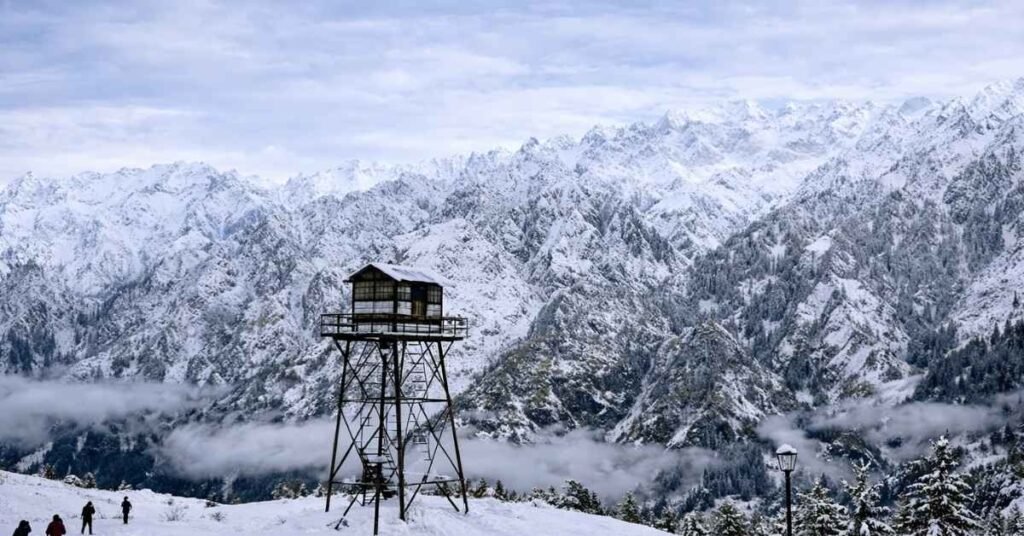
Auli has no railway station of its own. The closest railhead is Rishikesh Railway Station (station code: RKSH), which sits approximately 250 km from Auli. This makes the train plus road combination the most popular option for budget travellers coming from Delhi and other major cities.
Step 1: Take a Train to Rishikesh or Haridwar
Both Rishikesh and Haridwar work as entry points for this trip. Haridwar Junction offers strong connectivity with frequent trains from Delhi and other metros,making it a slightly better-connected option for those travelling from outside Uttarakhand.
Here are the most reliable trains for this route:
| Train Name | Train No. | From | Approx. Travel Time |
| Vande Bharat Express | 22457 | New Delhi (ANVT) | ~3.5 hrs to Haridwar |
| Jan Shatabdi Express | 12055 | New Delhi (NDLS) | ~4 hrs to Haridwar |
| Mussoorie Express | 14041 | Delhi | ~5 hrs to Haridwar |
| Dehradun Shatabdi | 12017 | Delhi | ~5 hrs to Haridwar |
| Kota DDN AC Express | 12401 | New Delhi (NDLS) | ~4 hrs to Haridwar |
The Vande Bharat Express (22457) is the fastest option, departing Delhi at 17:50 and reaching Haridwar in approximately 3 hours and 21 minutes.However, it arrives late evening, so you would need to stay overnight in Haridwar or Rishikesh before continuing.
Ticket prices typically range between ₹200 and ₹1,500 depending on the class you choose.Always book your tickets in advance on IRCTC, especially during ski season between December and February.
Step 2: Rishikesh or Haridwar to Joshimath
Once you reach Rishikesh or Haridwar by train, your onward journey to Joshimath begins by road. Head to Rishikesh ISBT and board a UTC or TGMO bus to Joshimath. This leg takes 8 to 9 hours by bus. Alternatively, hire a shared or private taxi from outside the railway station.
A practical tip: if your train arrives at Haridwar or Rishikesh in the evening, stay overnight at a local guesthouse and start fresh for Joshimath at 4 AM to 5 AM the next morning. This ensures you reach Joshimath before dark.
Step 3: Joshimath to Auli
From Joshimath, take the GMVN Ropeway or a local taxi for the final 16 km to Auli. Full details are covered in the Joshimath to Auli section above.
Joshimath to Auli: The Final Climb
You have covered 249 km from Rishikesh and Joshimath is now behind you. The last 16 km to Auli is where the real mountain experience begins. This stretch is short in distance but big in effort, especially in winter.
You have two options to cover this final leg: the road or the ropeway.
Option 1: GMVN Auli Ropeway (Highly Recommended)
The GMVN Auli Ropeway is not just a transport option, it is an experience by itself. Stretching 4.15 km, it is one of the longest gondola rides in Asia. The ride takes approximately 25 minutes and gives you breathtaking aerial views of the Nanda Devi range and the Auli ski slopes below.
In winter, between December and February, heavy snowfall often blocks the road to Auli completely. During these months, the ropeway becomes the only reliable way to reach Auli. If you are planning a ski trip, always prioritise the ropeway over the road.
Ropeway timings and fares can change by season. Always check and book in advance at the official GMVN website before your trip.
Option 2: Road to Auli
The 16 km road from Joshimath to Auli is steep and narrow throughout. In clear weather conditions between March and November, regular vehicles can manage this climb with careful driving.
However, during heavy snowfall from December to February, the rules change completely. Only 4×4 vehicles fitted with snow chains are permitted on this road. Authorities at Joshimath check vehicles before allowing them to proceed. Do not attempt this road in a regular hatchback or sedan during peak winter.
Whichever option you pick, the view waiting for you at Auli makes every bit of the climb worthwhile.
Best Pitstops and Current Road Conditions
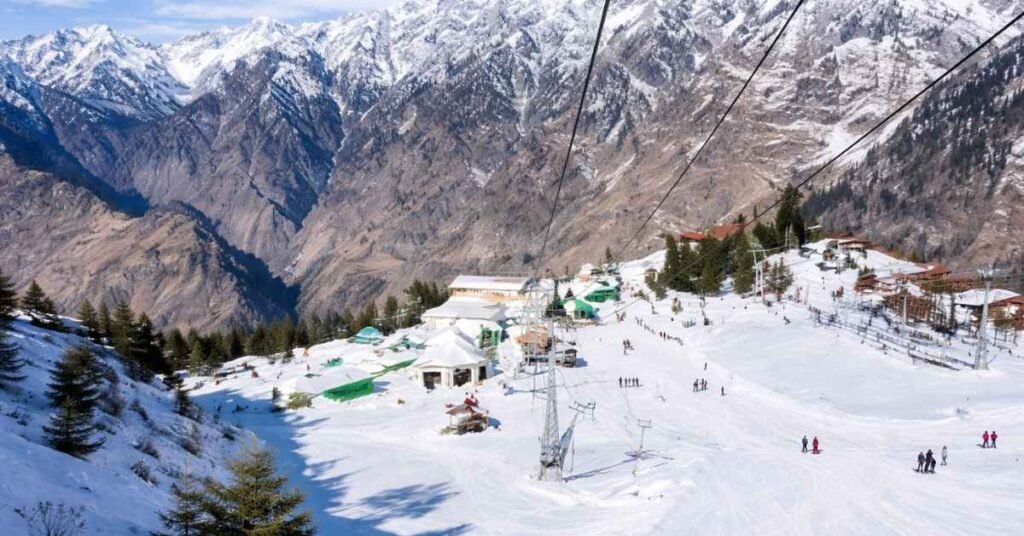
A 10-hour drive needs proper breaks. Knowing where to stop makes a huge difference to your comfort and energy levels. Here are the best halts on the Rishikesh to Auli route.
Top Pitstops on the Route
- Devprayag Sangam (70 km from Rishikesh) This is where the Bhagirathi and Alaknanda rivers meet to form the Ganga. It is a natural break point after the first two hours of driving. Step out, stretch your legs, grab a chai from a roadside stall, and take in the view of the two rivers merging below. Most travellers spend 15 to 20 minutes here.
- Chauhan Diner, Srinagar (UK) (105 km from Rishikesh) Srinagar is the halfway mark and a great place for a proper meal. Chauhan Diner on the Rishikesh-Badrinath highway is a popular stop among road trippers and truck drivers alike. Hot dal, rice, and sabzi here are filling and affordable. This is a good place to use clean washrooms and refuel your vehicle.
- Rudraprayag Town (139 km from Rishikesh) Another confluence town and a solid rest stop. Several small dhabas and tea shops line the main road. Stock up on snacks and water here as options become limited after Chamoli.
Road Conditions: What to Expect
National Highway 7 is well-maintained for most of the year. However, conditions change significantly depending on the season.
- October to June: Roads are generally clear and in good condition.
- July to September (Monsoon): This is the most risky period. The Sirobagarh zone between Chamoli and Joshimath is particularly prone to landslides. Check road bulletins on the Uttarakhand government website before departure.
- December to February: Snow and ice create slippery patches, especially above Chamoli.
A Note on Motion Sickness
The winding roads after Devprayag affect many travellers, including experienced ones. Carry Avomine or Stemetil tablets and take one an hour before departure. Sit in the front seat if possible and avoid heavy meals before the journey.
Frequently Asked Questions
Are there direct buses from Rishikesh to Auli?
No direct buses run from Rishikesh to Auli. UTC and TGMO buses from Rishikesh ISBT go up to Joshimath only. Once you reach Joshimath, you need to either take a local shared taxi or board the GMVN Auli Ropeway for the final 16 km climb. Do not wait at any bus stand for a direct Auli bus as it simply does not exist.
Is it safe to drive from Rishikesh to Auli at night?
Strictly no. Night driving on this route is genuinely dangerous. The roads after Devprayag are narrow, unlit, and full of sharp bends. There are no streetlights on most of the highway beyond Srinagar. Visibility drops sharply after sunset and the risk of encountering loose rocks or landslide debris on the road increases significantly. Always plan to complete your drive before dark.
What is the best time to start the journey from Rishikesh?
Leave before 6:00 AM without exception. An early start gives you enough daylight to reach Joshimath comfortably before sunset. It also helps you avoid peak traffic near Rishikesh and Srinagar town. If you are taking a UTC bus, most departures happen between 4 AM and 6 AM anyway, so plan your accommodation accordingly the night before.
Can I travel from Rishikesh to Auli by bike?
Yes, the Rishikesh to Auli route is a popular bike trip. However, your bike must be well-serviced before departure. Carry extra fuel before Chamoli as pumps become scarce ahead. Avoid riding after sunset and pack warm riding gear as temperatures drop sharply after Joshimath. In winter, the road beyond Joshimath may be closed for two-wheelers entirely.
How much does the GMVN Auli Ropeway cost?
Ropeway fares are set by GMVN and change periodically. As of recent reports, a one-way ticket costs roughly ₹500 to ₹750 per person for tourists. The ropeway runs from Joshimath to Auli and covers 4.15 km in about 25 minutes. Always confirm current fares and timings directly at gmvnonline.com before your trip as prices may vary by season.
Where should I stay in Joshimath before heading to Auli?
Joshimath has several good stay options if you plan to break your journey overnight. The Sleeping Beauty Hotel in Joshimath is a well-known and reliable choice among travellers headed to Auli. Booking in advance is strongly recommended during peak ski season between December and February. Staying overnight in Joshimath also means you can catch the first ropeway ride to Auli early next morning, giving you a full day on the slopes.
Final Thoughts
The Rishikesh to Auli road trip is challenging but deeply rewarding. Every kilometre through the Alaknanda valley reminds you why Uttarakhand is called Dev Bhoomi. Pack your bags, start early, and let the mountains do the rest.