- Highest: Bhambavli Vajrai (1840 ft)
- Rarest: Naneghat Reverse Waterfall
- Best for trekkers: Devkund & Kalu
- Year-round: Dabhosa Waterfall
- Nearest to Mumbai/Pune: Kune Falls, Bhivpuri
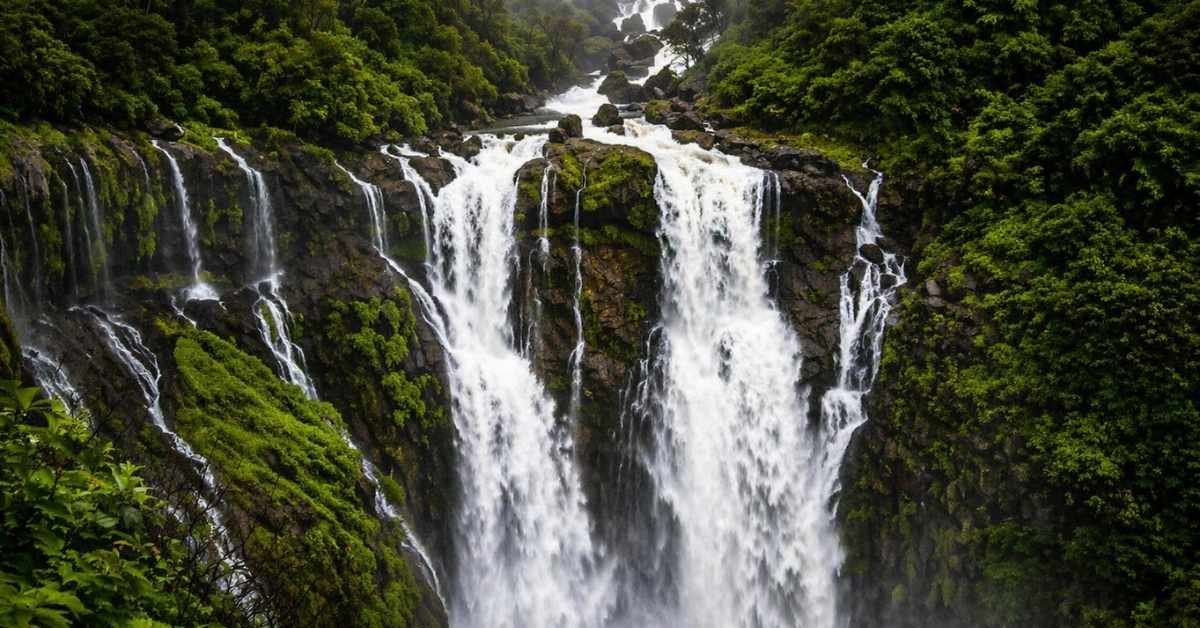
Maharashtra turns into a completely different world during monsoon. The Western Ghats come alive with hundreds of roaring cascades, and the waterfalls in Maharashtra are genuinely some of the most dramatic in all of India.
With over 350 waterfalls spread across the Sahyadris, the options can feel overwhelming. Whether you are planning a weekend trip from Mumbai or Pune, this list cuts through the noise.
These 15 picks are chosen for their accessibility, scenic value, and the kind of memories that stay with you long after the rains stop.
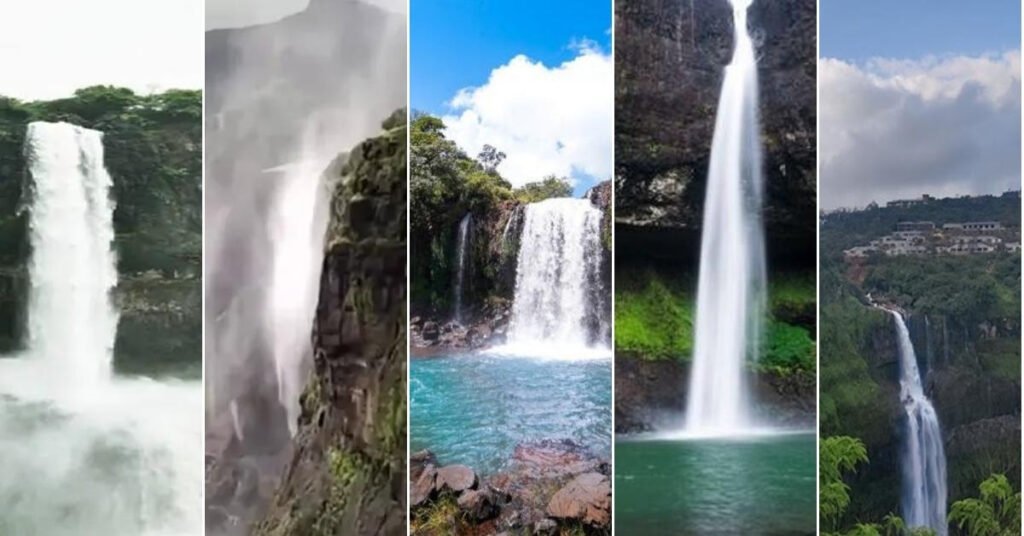
Top 5 Highest & Most Famous Waterfalls in Maharashtra
Bhambavli Vajrai Waterfall
This is the tallest waterfall in Maharashtra and one of the highest in all of India. Bhambavli Vajrai drops straight down from a sheer cliff at a staggering 1840 feet (560 metres). The water originates from the Urmodi river and the sight of it in full monsoon flow is something that genuinely stops you in your tracks.
It is located near Satara and is very accessible for families and first-time visitors. There is no serious trekking required. You can get official details and directions from the Satara District Tourism page.
Best time to visit: July to September
Thoseghar Waterfalls
Thoseghar is not a single waterfall. It is a whole cluster of cascades spread across a forested stretch near Satara. The largest of these drops over 500 metres, making the entire complex one of the most visually powerful natural sites in the Sahyadris.
The Maharashtra Tourism Development Corporation (MTDC) has a resort close by, which makes it a comfortable overnight option. During peak monsoon, some paths get slippery, so wear proper footwear.
Best time to visit: July to October
Naneghat Reverse Waterfall
Naneghat is where monsoon physics gets interesting. Strong winds blowing up through the mountain pass are so powerful that they push the falling water upward, making it look like the waterfall is flowing in reverse. This anti-gravity effect is completely natural and draws visitors who have seen it dozens of times and still cannot get enough of it.
The spot is near Junnar in Pune district and also doubles as a popular trekking destination. The reverse waterfall effect is most dramatic between July and August when the winds are at their strongest.
Best time to visit: July to August
Lingmala Waterfall
Lingmala is the most visited waterfall near Mahabaleshwar and for good reason. It drops in two stages and the lower falls are accessible via a short forest trail. The surroundings are lush, the mist is constant during monsoon, and the whole area feels like it belongs in a different climate zone.
There is a small entry fee managed by the forest department. The upper falls viewpoint offers a wider, more dramatic perspective of the cascade.
Best time to visit: June to September
Devkund Waterfall
Devkund is for those who want to earn their waterfall. It sits deep inside forested terrain near Bhira village in Raigad district and requires a 4 to 5 km jungle trek to reach. The reward is a pristine plunge pool with crystal-clear water surrounded by untouched wilderness.
This is one of the cleanest natural pools you will find near Mumbai and it stays that way because the trek keeps casual crowds out.
Best time to visit: July to September
Quick Comparison Table
| Waterfall Name | Location | Difficulty Level |
| Bhambavli Vajrai | Satara | Easy |
| Thoseghar Waterfalls | Satara | Easy to Moderate |
| Naneghat Reverse Waterfall | Junnar, Pune | Moderate |
| Lingmala Waterfall | Mahabaleshwar | Easy |
| Devkund Waterfall | Bhira, Raigad | Moderate to Hard |
5 Hidden Gems & Trekker’s Paradises
Kalu Waterfall
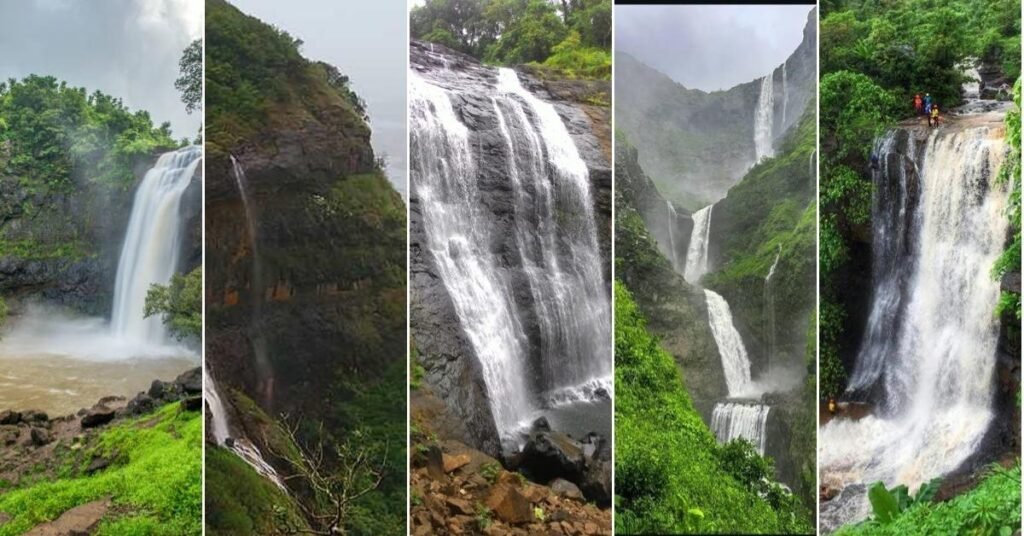
Kalu is one of the tallest and wildest waterfalls in the Malshej Ghat region. The trek to reach it is not for the faint-hearted. Dense forest, slippery rocks, and a long trail make this a proper adventure for experienced trekkers.
The payoff is a massive curtain of white water crashing into a rocky pool below. Very few tourists make it here, which means you get the whole place almost to yourself.
Things to Carry:
- Trekking shoes with strong grip
- Rain poncho or waterproof jacket
- Enough water and dry snacks
- A local guide is strongly recommended
Best time to visit: July to September
Bhivpuri Waterfall
Bhivpuri is the easiest entry point into waterfall trekking near Mumbai. Located close to Karjat, it is reachable by local train and a short walk, making it perfect for college groups and first-time trekkers.
The waterfall itself is not the tallest on this list, but the surrounding greenery during monsoon is stunning. The route passes through small villages and paddy fields, which adds a lovely local flavour to the whole trip.
Things to Carry:
- Light backpack
- Extra set of dry clothes
- Waterproof bag for your phone
- Small first aid kit
Best time to visit: July to August
Dugarwadi Waterfall
Dugarwadi is a hidden gem tucked away near Nashik. Not many people outside of the local trekking community know about it. The trail winds through thick forest and the waterfall reveals itself only at the very end, which makes the arrival feel genuinely rewarding.
The fall drops into a natural pool that is safe enough for a quick dip in the shallower sections. This is a great option if you want to avoid the weekend crowds at more popular spots.
Things to Carry:
- Trekking poles if available
- Insect repellent
- Fully charged power bank
- Snacks for energy
Best time to visit: July to October
Ashoka Waterfall
Ashoka Waterfall near Igatpuri has been featured in several Bollywood productions over the years, but it still manages to feel peaceful and largely undiscovered. The approach is through a calm forested valley and the waterfall drops gracefully over smooth rock faces.
It is a relatively short and easy trek, which makes it great for families with older children.
Things to Carry:
- Comfortable walking shoes
- Sunscreen for the walk back
- Reusable water bottle
Best time to visit: June to September
Dabhosa Waterfall
Dabhosa is genuinely special because it is one of the very few perennial waterfalls in Maharashtra, meaning it flows all year round and not just during monsoon. Located in Jawhar, it stays alive through summer when almost every other waterfall in the region dries up completely.
During monsoon, Dabhosa turns into a full-volume roaring cascade. Outside monsoon, it is quieter but still very much worth the drive.
Things to Carry:
- Light clothes if visiting post-monsoon
- Sun hat for summer visits
- Camera, because this one photographs beautifully in every season
Best time to visit: Any time of year
Not Sure Where To Go!
Let our Random Country Generator help you discover your next perfect destination.
Use Our Free Tool5 Family-Friendly & Easily Accessible Waterfalls
Randha Falls
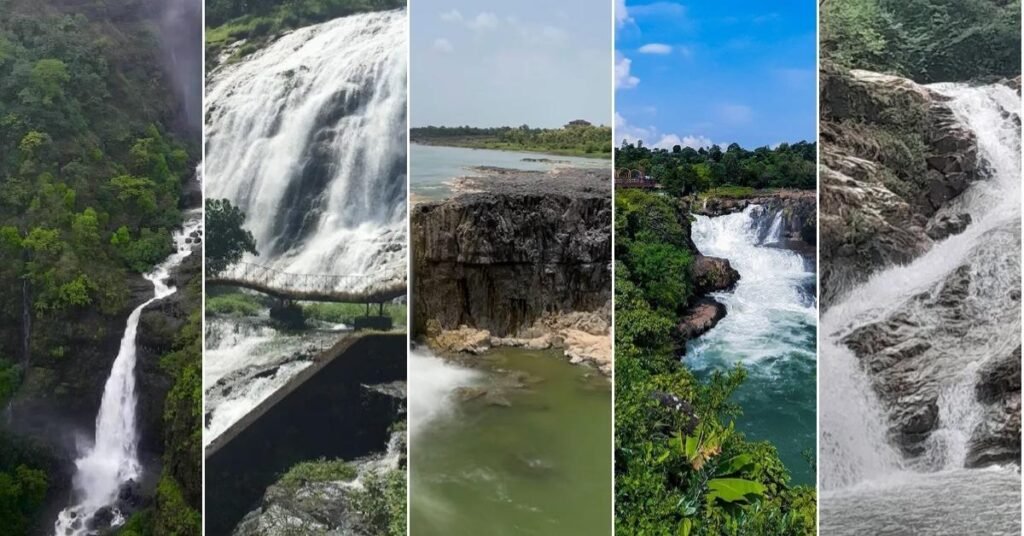
Randha Falls is one of the most powerful waterfalls in Maharashtra and the best part is that you do not need to trek to see it. Located near Bhandardara in Ahmednagar district, the falls are formed by the Pravara river cascading over a dramatic rocky ledge.
There is a proper viewing platform, a paved path, and enough space for large family groups. Parking is available close to the falls. Elders and young children can both enjoy the full view without any physical strain.
Why families love it:
- No trekking needed
- Wide, safe viewing area
- Close to Bhandardara dam and Wilson Dam, making it a full day out
Best time to visit: July to September
Umbrella Falls
Umbrella Falls gets its name from the way water fans out in a wide arc over the rocks below Wilson Dam in Bhandardara, spreading like an open umbrella. It is one of the most photographed sights in the region.
The falls are right next to the road and require almost no walking at all. This makes it one of the most accessible waterfall experiences in Maharashtra for senior citizens and toddlers alike.
Why families love it:
- Roadside access, no walking required
- Pairs perfectly with a visit to Arthur Lake nearby
- Safe and well-visited area with regular foot traffic
Best time to visit: July to October
Kune Falls
Kune Falls in Lonavala is a gorgeous 3-tiered waterfall that drops through layers of basalt rock before pooling at the bottom. The three stages give it a unique visual character that most single-drop falls simply cannot match.
A short walk through a well-maintained forest path leads to the viewpoint. You can book a guided Lonavala trip that includes Kune Falls through Maharashtra Tourism’s official portal. The area has parking, food stalls, and clean surroundings.
Why families love it:
- Short, easy walk to the viewpoint
- Three tiers make it visually exciting for kids
- Lonavala has plenty of other attractions nearby for a full trip
Best time to visit: June to September
Sahastrakund Waterfall
Sahastrakund is known for its striking rock formations and the way water splits across them into multiple smaller streams before reuniting below. The name itself means “thousand pools” in Marathi, and the scattered flow pattern gives you a sense of why.
It is located in the Nanded district and is a popular picnic spot for local families. The ground around the falls is relatively flat, which makes movement easy for older visitors.
Why families love it:
- Flat, easy terrain around the falls
- Unique multi-stream pattern great for photos
- Calm and peaceful atmosphere compared to more crowded spots
Best time to visit: July to September
Someshwar Waterfalls
Someshwar Waterfalls near Nashik is a series of gentle cascades that flow through a rocky riverbed surrounded by thick forest. The water here is calm enough in certain sections for children to safely wade in under supervision.
There is a small temple nearby which adds a cultural element to the visit. Parking is readily available and the path to the falls is well-marked. Local food vendors set up shop during monsoon weekends, so you will not go hungry.
Why families love it:
- Calm, wadeable water sections for children
- Cultural stop at the nearby temple
- Easy parking and local food available on-site
Best time to visit: July to October
Essential Survival & Travel Tips for Monsoon Getaways
Monsoon treks are magical but they come with real risks. These tips will keep your trip safe and stress-free.
Dealing With Leeches
Leeches are everywhere in the Sahyadris during monsoon. They are not dangerous but they are unpleasant.
- Apply salt or tobacco around your ankles before starting the trek
- Wear full-length socks pulled up over your trouser legs
- Never yank a leech off. Use salt or a fingernail to detach it cleanly
- Check your neck, behind your ears, and between your toes after the trek
Driving on Ghat Roads
- Drive slowly. Wet ghat roads have near-zero grip in heavy rain
- Never overtake on blind curves
- Keep headlights on even during the day in low visibility fog
- Pull over and wait if rainfall gets extremely heavy
Plunge Pool Safety
- Never enter deep plunge pools without a local guide or lifeguard present
- Currents under waterfalls are far stronger than they look from the surface
- Keep children away from the water’s edge at all times
What to Pack
| Item | Why You Need It |
| Dry bag | Keeps phone, wallet, and documents waterproof |
| Energy snacks | Trail mix, chikkis, or protein bars for long treks |
| Microfibre towel | Dries fast, packs small |
| Mosquito repellent | Essential after sunset near water bodies |
| Extra pair of socks | Wet feet cause blisters on long walks |
Conclusion
Maharashtra’s monsoon season is short. It arrives fast, peaks hard, and fades before you know it. The waterfalls on this list will not wait for you to “plan it next year.”
Whether you want an easy family drive to Umbrella Falls or a full jungle trek to Devkund, there is something here for every kind of traveller. Pack your rain gear, charge your phone, and go.
The Sahyadris are ready. The only question is whether you are.
Frequently Asked Questions (FAQs)
Here are the 6 FAQ questions with their answers, ready to paste directly into your blog’s visible FAQ section:
Which is the highest waterfall in Maharashtra?
Bhambavli Vajrai Waterfall near Satara is the highest waterfall in Maharashtra, dropping from a height of 1840 feet (560 metres).
What is the name of the reverse waterfall in Maharashtra?
Naneghat Reverse Waterfall near Junnar in Pune district is famous for its anti-gravity effect where strong monsoon winds push the water upward.
Are waterfalls in Maharashtra safe for families?
Yes, several waterfalls like Randha Falls, Umbrella Falls, Kune Falls, and Someshwar Waterfalls are completely family-friendly with easy access, parking, and safe viewing areas. Always supervise children near the water’s edge and avoid deep plunge pools without a guide.
Which waterfall in Maharashtra flows all year round?
Dabhosa Waterfall in Jawhar is one of the very few perennial waterfalls in Maharashtra, meaning it flows all year round and not just during monsoon season.
Which is the best waterfall near Mumbai for a day trip?
Bhivpuri Waterfall near Karjat is the closest major waterfall to Mumbai at approximately 75 km. It can be reached entirely by local train plus a short walk, making it the most budget-friendly option.
How many waterfalls are there in Maharashtra?
Maharashtra is home to over 350 waterfalls, mostly concentrated in the Western Ghats, also known as the Sahyadris.